Chad’s UN warning on Ennedi-East strikes: global reactions and what happens next
Chad’s message at the 81st UN General Assembly has triggered a wave of reactions and raised a pressing question: what comes next after N’Djamena condemned airstrikes in Ennedi-East and reserved the right to respond?
The fallout from Chad’s UN address
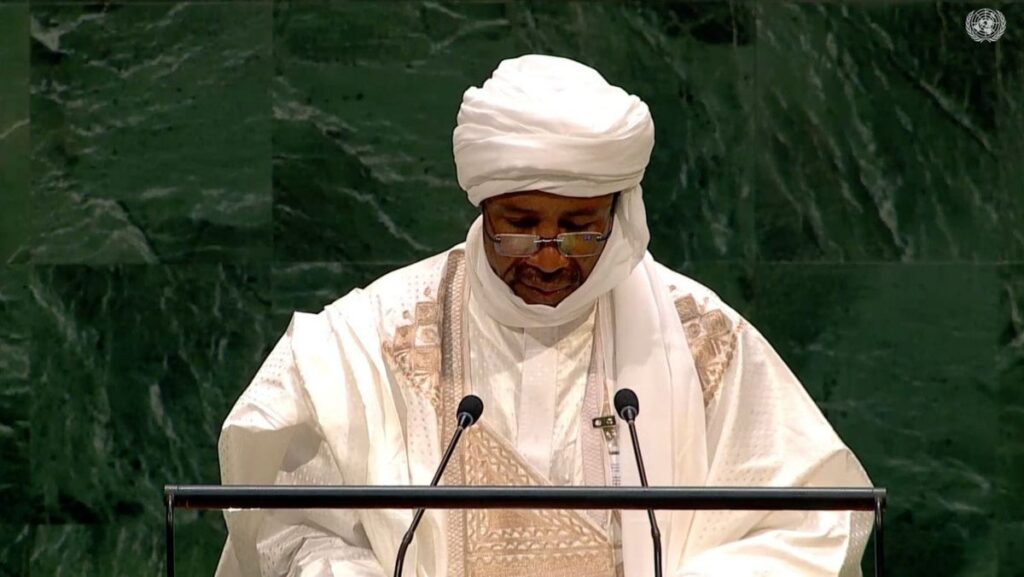
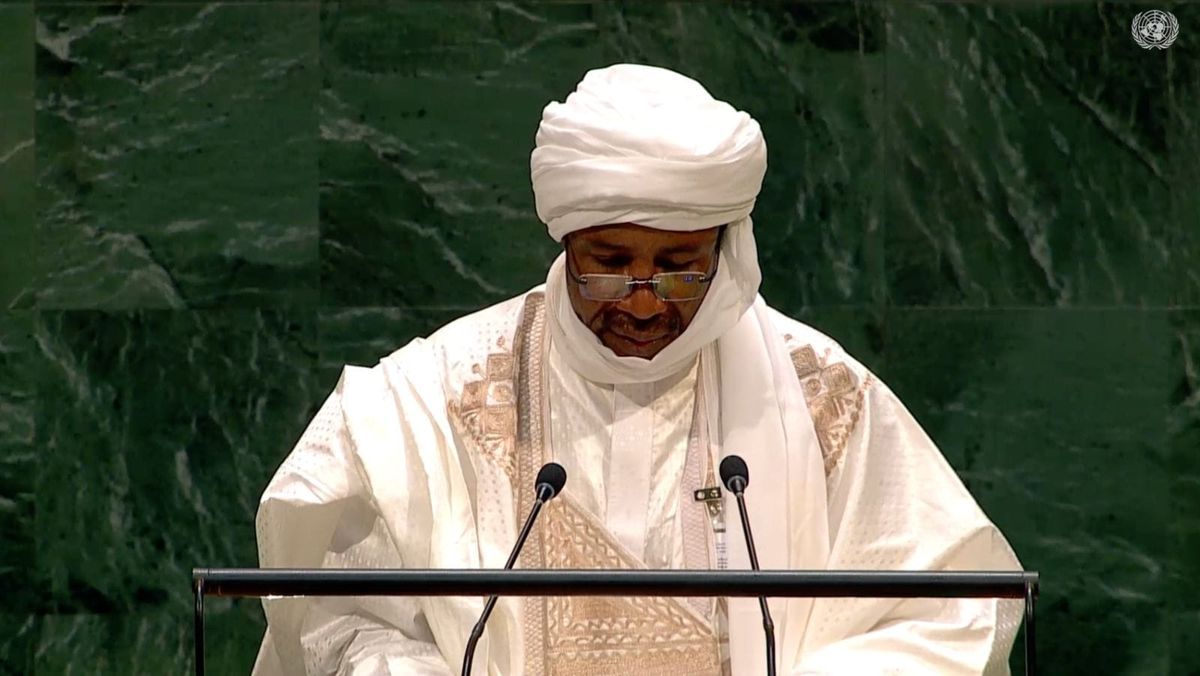
At the 81st United Nations General Assembly, Chad delivered a message that has since sparked debate far beyond the conference hall. Read by Dr. Abdelmadjid Abdelrahim Mahamat, Minister of Public Health and Prevention, on behalf of President Mahamat Idriss Déby Itno, the address underscored Chad’s diplomatic and humanitarian commitments while issuing a stark warning over recent airstrikes in Ennedi-East.
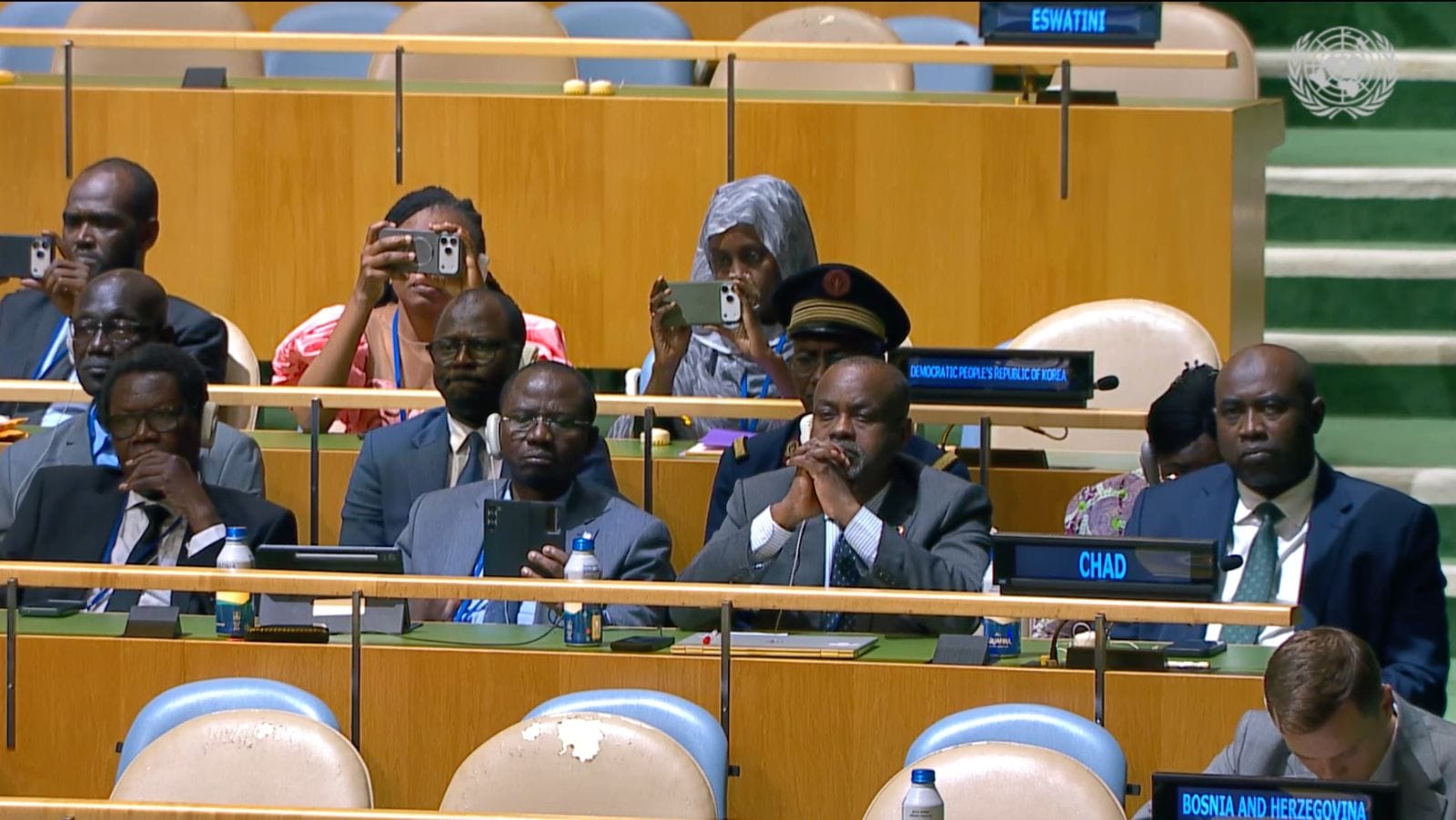
The condemnation of the strikes as an unacceptable violation of Chad’s territorial integrity—coupled with a reserved right to retaliate if attacks recur—has drawn attention from regional observers and international partners. The question now is whether this firm stance will translate into concrete action or remain a diplomatic warning.
Reactions and the humanitarian dimension
Chad used the platform to highlight the fragile situation in the Lake Chad Basin and urged developed nations to fulfill their financial pledges for climate resilience. On security, N’Djamena pointed to its significant contribution to peacekeeping, including the deployment of 1,500 troops to Haiti as part of a Security Council-authorized force.
The country also detailed the critical humanitarian situation at its borders, hosting over two million displaced people, including more than one million Sudanese refugees who have fled the conflict since April 2023. Reaffirming strict neutrality in the Sudanese conflict and support for peace initiatives, the government raised an alarm that has resonated with aid organizations and neighboring states.
What comes next for Chad and the region
Looking ahead, Chad’s address touched on broader international issues, rejecting acts of aggression against sovereign states—from Iran to the Gulf, Gaza, and Cuba—while reiterating support for a two-state solution in the Middle East and a deep reform of multilateralism.
The coming weeks will reveal whether Chad’s warning at the UN prompts a de-escalation or signals a new phase of heightened vigilance. For now, the speech has set the stage for ongoing discussions about sovereignty, security, and the future of regional stability.
You may also like
General Olenga’s delisting from US sanctions: reactions, debate and what lies ahead for the DRC
Iran’s Hormuz gambit: the world reacts as a seven-day clock starts ticking
Burkina Faso’s public debt debate intensifies as borrowing surpasses 8,700 billion FCFA
Benin’s police investigation overhaul: the fallout, the debate and what comes next
Benin-Algeria defense pact: the fallout, the debate and what comes next