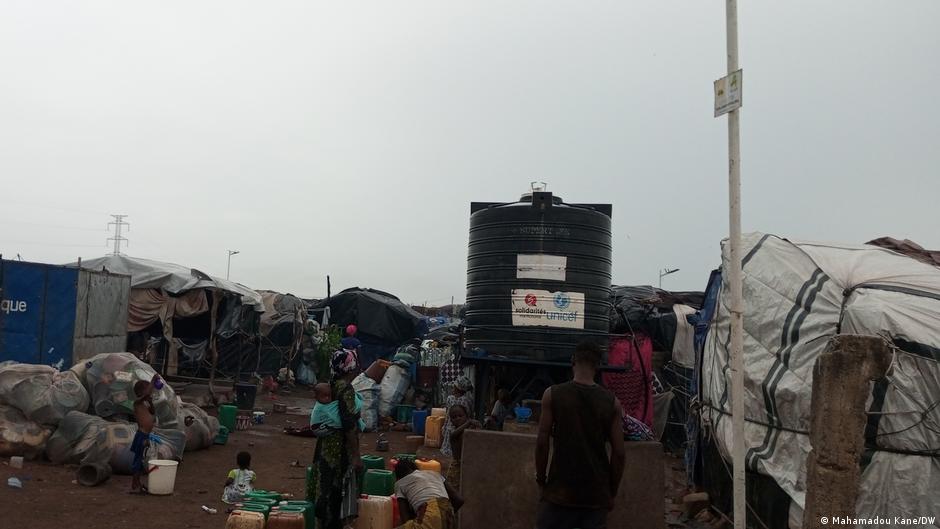
As Eid al-Adha approaches, displaced families in Bamako face daunting challenges while preparing to observe the holiday in makeshift conditions. The eviction of the Faladiè informal camp has left hundreds without adequate shelter, forcing them to seek refuge in temporary educational spaces.
The Centre des Amis des Enfants, originally designed as a learning facility, now serves as a last-resort shelter for vulnerable families who fled violent clashes in their hometowns years ago. Among them is Aminata, a mother of four who escaped the conflict in Bankass, central Mali, back in 2019.
Desperate needs overshadow the festive season
Aminata’s voice trembles as she describes the harsh reality gripping the camp. “The lack of a proper relocation site is devastating,” she says. “We’re exposed to the elements, and with Eid just around the corner, our greatest needs are food—rice, oil—and even festive clothes for the children.”
Medical care remains a critical gap, but survival comes first. Aid agencies continue to provide basic support, though the eviction has disrupted what little stability the displaced had managed to rebuild.
Lost livelihoods darken Tabaski’s spirit
A few hundred meters away, teenage herders Fousseyni and Oumar reflect on the holiday’s meaning. Once, they thrived during Eid by assisting with livestock sales and deliveries, earning enough to support their families. Now, they stand idle, watching others butcher animals for a meager fee of 2,000 CFA francs.
“Last year at this time, we were busy selling sheep and transporting cattle,” Fousseyni recounts. “We made good money. Today, we’re left with nothing but frustration. Still, we come here hoping for odd jobs to scrape by.”
Under the watch of Mali’s National Social Development Directorate and humanitarian groups, the children’s center remains a lifeline for dozens of youngsters. Yet, without a designated relocation site, uncertainty looms over the displaced families’ futures.