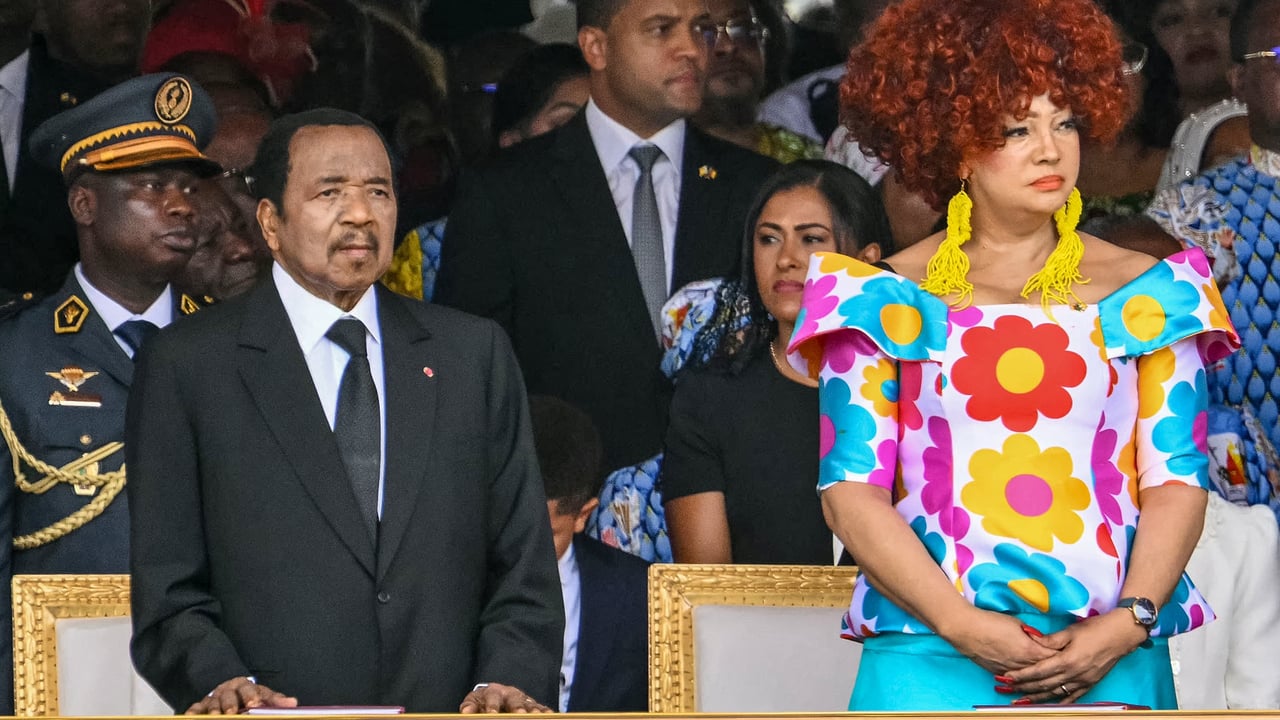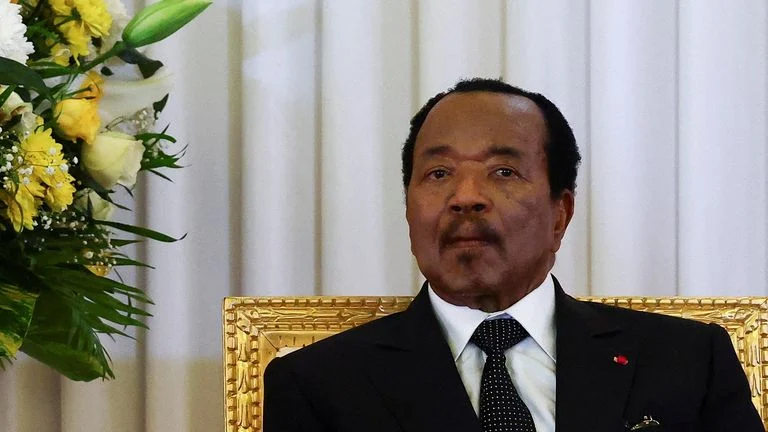
The initial announcement of a private European trip has stretched into an unprecedented absence. Since President Paul Biya and his spouse departed Cameroon on June 7, 2026, no official word has been shared regarding his return. Over 40 days have passed, leaving citizens in the dark about the whereabouts and well-being of their re-elected leader—a man who has spent decades at the helm of the nation.
Decades of prolonged absences fuel skepticism
Paul Biya’s extended trips abroad, particularly to luxury hotels in Switzerland, have become a recurring pattern. At 93 years old, questions about his health and capacity to govern persist, especially as his latest absence coincides with the start of his latest seven-year term. Unlike many African leaders who seek medical care locally, Biya’s preference for foreign treatment—amid a healthcare system shrouded in secrecy—has done little to ease public concerns.
In a country where presidential health is treated as a state secret, rumors thrive in the absence of transparency. The silence from authorities has only amplified unease, with citizens and political figures alike questioning who truly holds power in Cameroon. Opposition voices, such as MP Jean Michel Nintcheu, have gone so far as to call for the Constitutional Council to declare a power vacuum. The response from the ruling party’s propaganda chief was swift: “The Lion has not left his throne.”
Government paralysis under Biya’s rule
Cameroon under Biya’s leadership remains a paradox: a nation where leadership seems both entrenched and absent. The government, led by Prime Minister Joseph Dion Ngute since January 2019, has seen no reshuffle despite the inauguration of a new presidential term. Even the reactivation of the vice-presidential role in April 2026 has yielded no appointment—a move critics argue reflects deeper institutional stagnation.
This prolonged absence isn’t just a personal quirk; it’s a symptom of a system where power is concentrated in the hands of an aging leader who appears increasingly disconnected from his people. With Africa’s oldest serving president and its oldest national security chief celebrating his 90th birthday this month, the question lingers: Can Cameroon afford another term under such leadership?