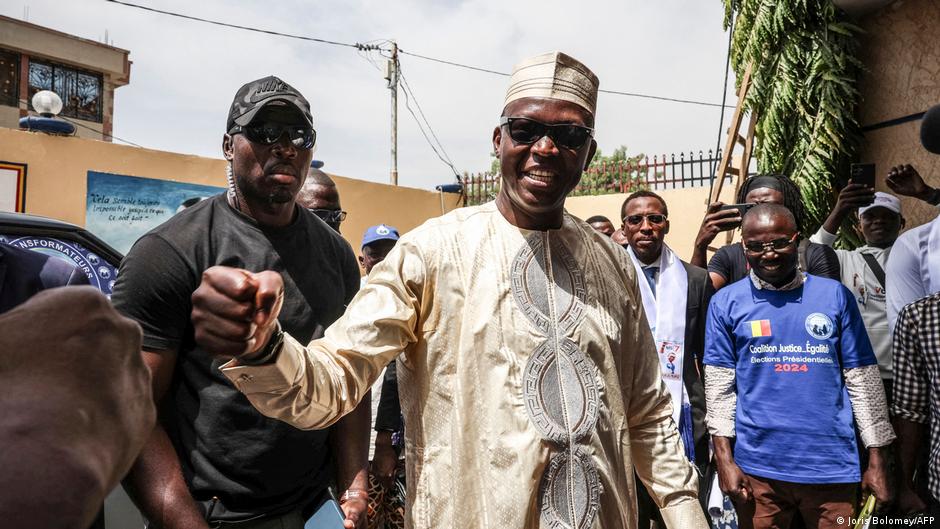
President Mahamat Idriss Déby of Chad has taken a decisive step by pardoning several high-profile opposition figures, a move that has sparked immediate debate among political observers and citizens alike. While some view the gesture as a positive step toward national reconciliation, others question its long-term implications for the country’s democratic landscape.
The clemency decree, issued on August 14, 2026, includes the release of former Prime Minister Succès Masra, who had been serving a 20-year prison sentence for charges related to insurrection. Seven other leaders from the opposition coalition known as the Grand Coalition for the Alternative in Chad (GCAP) are also set to regain their freedom.
However, the presidential pardon does not erase their criminal records. Their convictions remain on file, along with associated civil and financial penalties. Most critically, those pardoned will still face ineligibility for future political participation—a key distinction from a full amnesty, as noted by political analyst Bétinbaye Yamingué. “The president’s decision reflects a strategic move to ease tensions, but the true test of its sincerity lies in whether it paves the way for broader legislative action. The burden now falls on the National Assembly to act.”
Parliament’s Role in Shaping the Future
The National Assembly holds the sole authority to grant amnesty in Chad. Yet, with the ruling party controlling an overwhelming majority of 124 out of 188 seats, the prospects for such a measure appear slim. Analysts warn that without legislative support, the president’s clemency could be perceived as a superficial concession rather than a meaningful gesture of democratic progress.
“Freedom from prison is only the first step. For these leaders to fully re-engage in the political arena, their rights must be restored. Otherwise, this act of clemency risks being dismissed as a calculated political maneuver,” Yamingué emphasized, highlighting the urgency of addressing the underlying legal restrictions.
A Divided Response from Political Circles
Reactions to the president’s decision have been sharply divided. The Transformateurs party, led by Succès Masra, has yet to issue an official statement, with a spokesperson noting that the party prefers to wait until his release to assess the situation.
In contrast, Ndolembai Sadé Njesada, vice-president of the Transformateurs, welcomed the decision, praising it as a step toward national unity and expressing hope for an open dialogue to foster lasting peace.
Opposition factions, however, remain deeply critical. Hissein Abdoulaye, spokesperson for the GCAP, dismissed the clemency as inadequate, arguing that pardoning political figures while stripping them of their civic and political rights constitutes a severe democratic setback.
Within the ruling party, the Patriotic Salvation Movement (MPS), the reaction has been uniformly positive. Officials describe the decision as a welcome relief, one that reunites incarcerated leaders with their families and, in their view, contributes to national stability.
You may also like
Lyon’s goalless stalemate with Chelsea: the real-world fallout for fans, clubs and the women’s game
Eastern DRC peace mediation: what the latest Tshisekedi letter to Gnassingbé means for civilians and local businesses
Mali: JNIM ambush on Russian Africa Corps convoy near Niono — what it means for civilians and local trade
Mali’s poverty crisis: how hunger and hardship are reshaping daily life for millions
Guinea-Bissau’s December election: what Embaló’s return means for daily life, stability and the economy