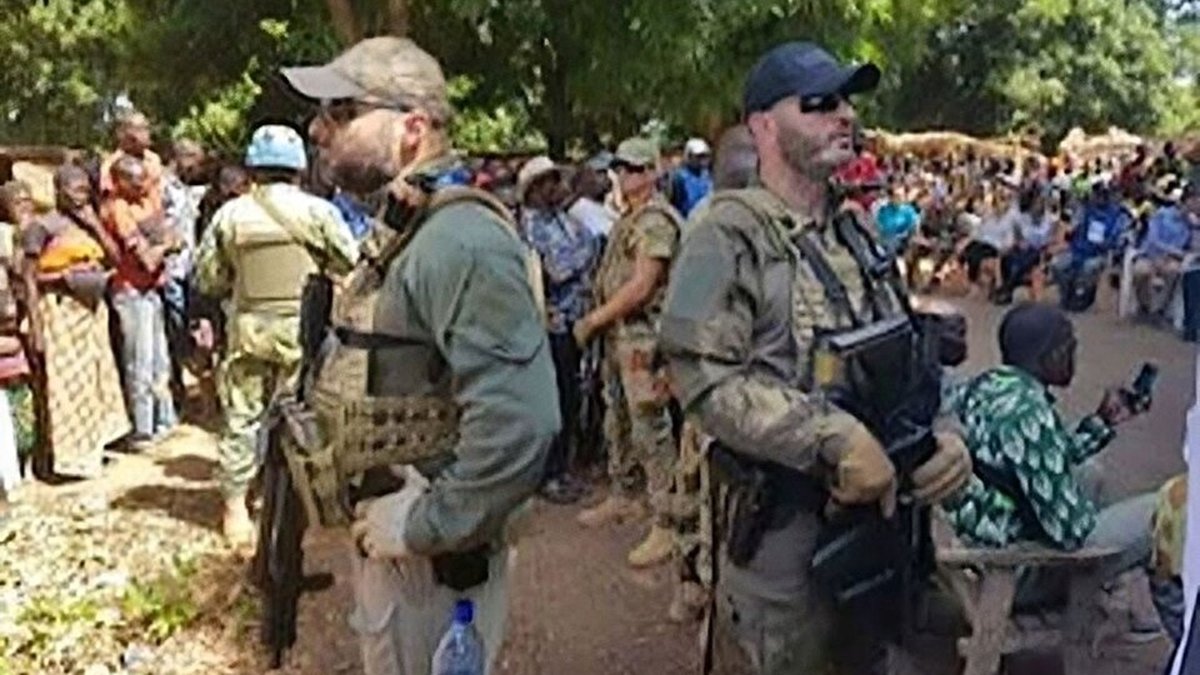
Ephrem Yalike-Ngonzo, a Centrafrican journalist known for exposing the operations of the Wagner Group in his country, has had his asylum request denied by French authorities. Despite receiving a special travel permit from President Emmanuel Macron himself, his plea for protection in France was rejected on July 10, 2026.
His lawyer described the decision as a “deeply concerning message” to those fighting against Russian propaganda. Yalike-Ngonzo, who has been living in France since 2024, uncovered critical details about Moscow’s disinformation campaigns in Africa. His revelations contributed to sanctions against Mikhaïl Prudnikov, a key figure in Russia’s propaganda network in Central Africa.
From paid propagandist to whistleblower
In late 2019, while working for multiple news outlets, Yalike-Ngonzo was paid between 15 and 30 euros per article—barely a quarter of his monthly salary—to publish content supporting the Central African Armed Forces and their Russian allies. His involvement in the system he now condemns was part of a broader Russian influence operation in the region.
By 2024, he had turned into a whistleblower, sharing his insights with Forbidden Stories as part of a global investigation into Wagner’s African operations. His disclosures exposed the group’s intimidation tactics, including death threats against critics, forcing him into exile. His testimony also played a role in the European Union’s decision to impose sanctions on Prudnikov, one of the architects of Russia’s propaganda machine in Central Africa.
A year-long legal limbo
On July 9, 2026, his legal team filed an appeal with the French National Asylum Court. The process could drag on for months, leaving Yalike-Ngonzo and his family in legal uncertainty. For now, they remain in hiding across France, fearing retaliation. Meanwhile, relatives still in Central Africa report repeated interrogations by unidentified individuals demanding information about his whereabouts.
The rejection of Yalike-Ngonzo’s asylum claim raises serious concerns about France’s commitment to protecting those who expose foreign disinformation campaigns. His case underscores the risks faced by journalists in authoritarian-leaning environments and the challenges of seeking refuge in Western democracies.