The security situation in western Niger remains highly volatile. While military authorities in Niamey intensify public relations campaigns to rally citizens around their leader, General Abdourahamane Tiani, fresh insurgent raids in the Tillabéri region serve as a grim reminder of the ongoing threat.
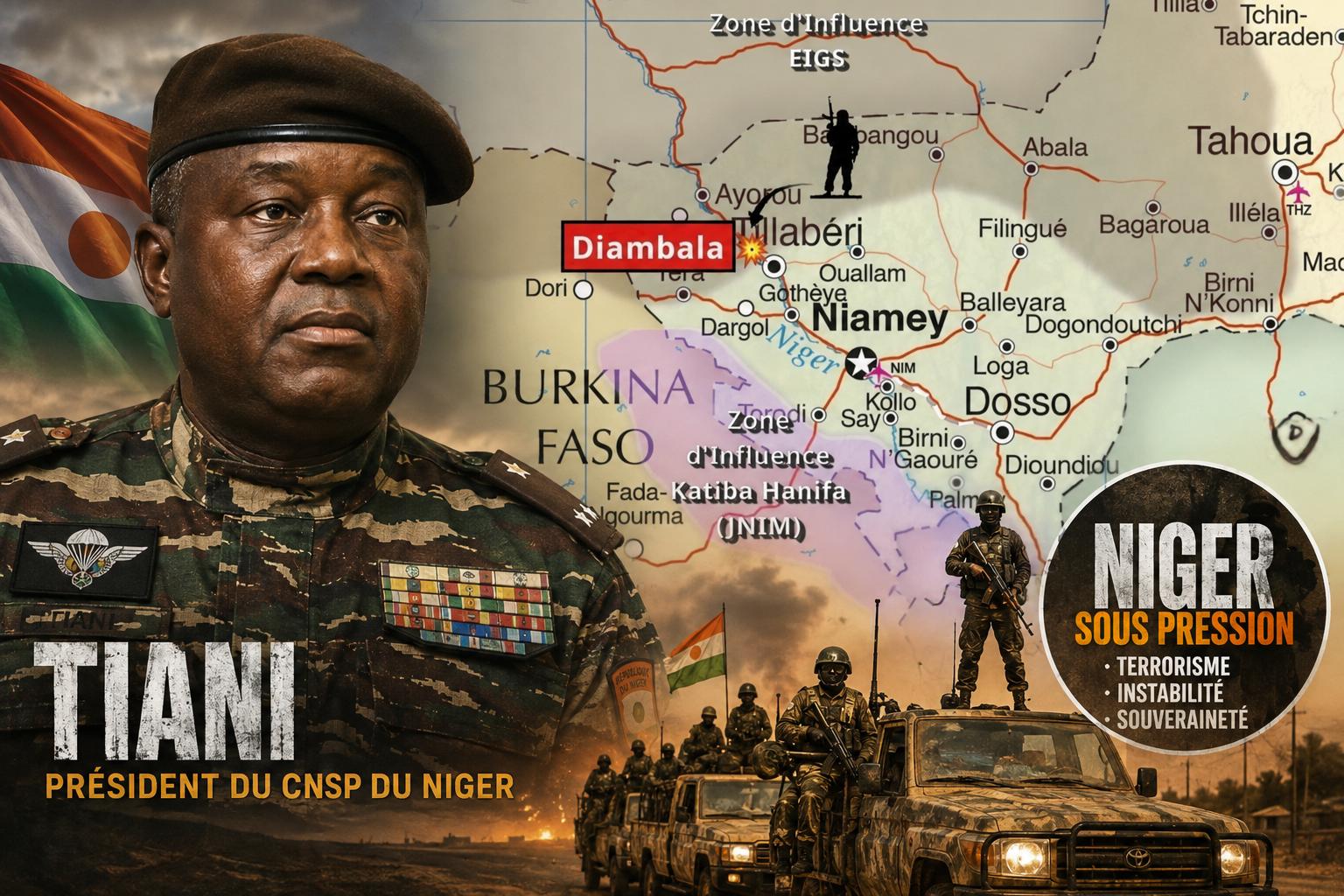
On September 2, 2026, armed assailants targeted several rural communities in the Tillabéri department, striking the villages of Darbani, Diamballa, and Namarigoungou.
During the chaos in Diamballa, two young girls tragically drowned in a pond while attempting to escape the attackers, and a man sustained gunshot wounds. In Namarigoungou, another civilian lost his life. The raiders also looted livestock across all three affected settlements before fleeing.
The violence continued the following day, September 3, with an incursion in Zibane, located in the rural commune of Anzourou. Local self-defense militia members engaged the attackers, resulting in the death of one local fighter.
A region under constant threat
These recent incidents highlight the fragile environment in Tillabéri, a region situated in the volatile tri-border zone connecting Niger, Mali, and Burkina Faso. This area has long been a primary focus of armed violence.
For rural families, these raids threaten more than just lives. They disrupt vital farming and herding activities, trigger forced displacement, and deepen the economic hardships of vulnerable communities.
Each new assault raises serious questions about the government’s ability to protect its citizens, particularly those living far from major urban centers.
Political campaigns contrast with rural insecurity
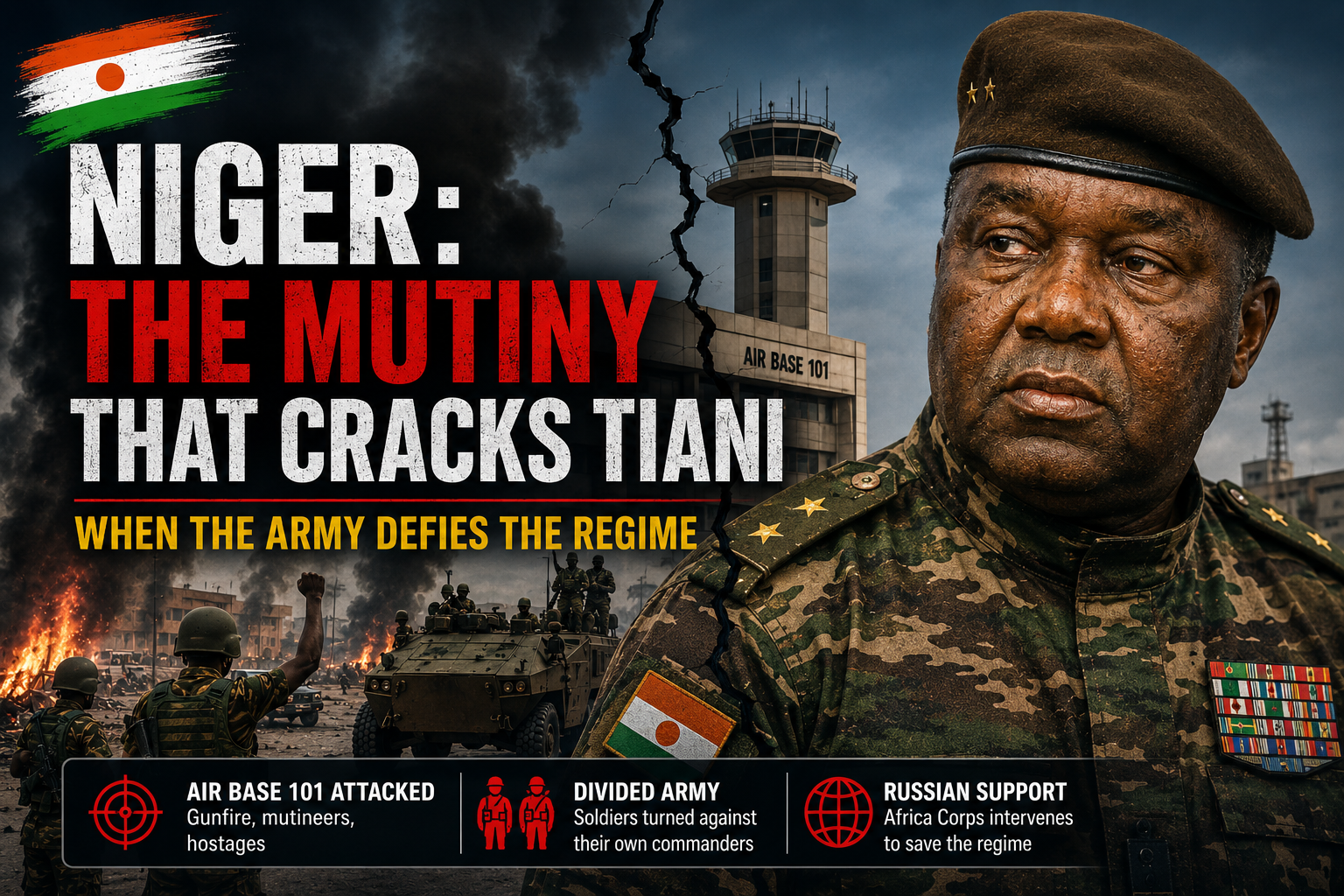
This harsh reality on the ground stands in stark contrast to the political narrative currently dominating the capital. Following a recently thwarted coup attempt, the military government and its supporters have launched extensive public relations campaigns to bolster public backing for General Abdourahamane Tiani.
Through messages of solidarity, public gatherings, and organized demonstrations, the administration is actively working to solidify the leadership’s political legitimacy.
Yet, the divide remains stark: while official channels project a message of national cohesion and unwavering support for the transition, residents in Tillabéri continue to live in fear of the next armed raid.
Balancing political survival and public safety
Securing popular support is a critical objective for the ruling military council in this tense political climate. However, for those living in vulnerable rural zones, the most urgent priority is simple: the freedom to live, travel, farm, and tend to their animals without the constant threat of violence.
The recent events in Tillabéri demonstrate that the struggle for stability is far from over. They raise a fundamental question: beyond political rallies and public endorsements for General Tiani, what concrete measures will the government implement to protect citizens facing daily violence?