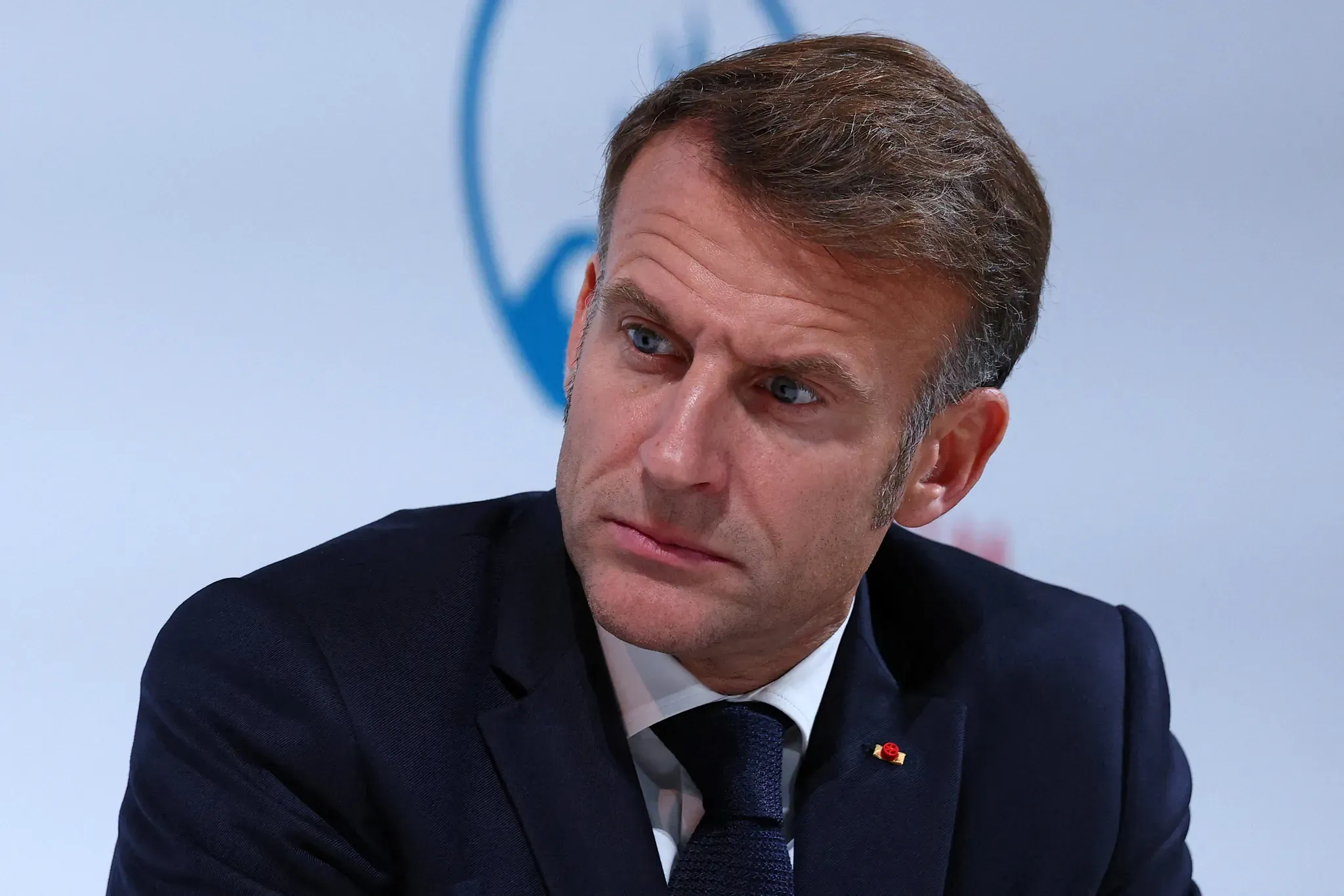
After a night of devastating urban riots marked by looting, violent clashes, and the rapid construction of barricades across major French cities, the government stands at a critical crossroads. While the failure of current security protocols has been widely acknowledged, President Emmanuel Macron has made a decisive move: rejecting Interior Minister Laurent Nuñez’s resignation and demanding an immediate overhaul of law enforcement tactics.
Why Emmanuel Macron Chose Continuity Over Change
Facing unprecedented political and social pressure, Laurent Nuñez tendered his resignation on Sunday, citing the need to take responsibility for the mishandling of the previous day’s events. Yet, the Élysée swiftly intervened, declaring that Macron would not accept the resignation—not as a show of confidence in the minister, but as a strategic necessity.
The government justified its decision by emphasizing the urgency of maintaining state authority. In a fragile security climate, the presidency argued that replacing Nuñez could destabilize the chain of command just as the country confronts its most severe unrest in decades. The message was clear: the government would prioritize stability over political concessions.
The Cost of Inaction: What’s Fueling France’s Unrest
The scale of the riots has forced a reckoning over systemic flaws in France’s security apparatus. Investigations point to critical gaps in intelligence gathering, delayed interventions, and overly reactive policing strategies—failures that allowed violence to spiral out of control. With public trust in authorities at an all-time low, Macron has instructed Nuñez to address these issues head-on, warning that tactical reforms cannot wait.
Key demands from the Élysée include:
- Immediate deployment of proactive policing measures to dismantle barricades and curb looting before it escalates.
- A complete restructuring of riot response protocols to prioritize rapid intervention over containment.
- Full transparency on intelligence failures that allowed violent groups to exploit the crisis.
Can France’s Security Model Survive the Pressure?
Laurent Nuñez now faces an unprecedented challenge: rebuild public confidence while implementing sweeping reforms under intense scrutiny. The government’s insistence on keeping him in office—despite his acknowledged missteps—suggests a gamble on his ability to execute Macron’s vision. Yet, with opposition leaders and citizens alike demanding accountability, the minister’s position remains precarious.
The coming weeks will reveal whether France can stabilize its security framework without sacrificing democratic principles. One thing is certain: the status quo is no longer an option.
What’s Next for France’s Security Strategy?
Macron’s decision to retain Nuñez amid such turmoil signals a belief that gradual reform is preferable to upheaval. However, the clock is ticking. The government must deliver tangible results—fast. If Nuñez fails to curb the unrest or address intelligence blunders, the political fallout could force Macron into a more drastic reshuffle. For now, the president’s gamble hinges on one question: can a broken system be fixed without breaking the chain of command?