As the number of refugees in Mali continues to climb, the country stands at a critical crossroads, where the humanitarian emergency is fueling fierce public debate and urgent calls for policy reform. With the crisis deepening, stakeholders are questioning whether current strategies can sustainably address the growing needs of displaced populations.
Record numbers expose the urgency of a worsening humanitarian crisis
Official figures released in October 2026 reveal that Mali now hosts 322,584 refugees and asylum seekers, alongside 414,524 internally displaced persons (IDPs). These staggering numbers were presented during the 77th session of the UNHCR Executive Committee in Geneva, highlighting the sheer scale of displacement gripping the nation.
In addition to these figures, 90,648 Malian returnees and 343,091 Malians refugees abroad further underscore the widespread impact of the crisis. Between August and September alone, the refugee population grew by 5,396, while internal displacement figures remained largely unchanged, signaling a complex and persistent challenge.
Regional instability amplifies the displacement dilemma
The crisis in Mali is not an isolated issue but part of a broader regional emergency. In the heart of the country, the Koro region has become a focal point, hosting nearly 86,000 displaced people from Burkina Faso. Across Mali, Burkina Faso, and Niger, close to 4 million people have been uprooted by violence and instability, with over 818,000 classified as refugees or asylum seekers—a stark reminder of how displacement transcends national borders.
The uncertainty surrounding security conditions and the feasibility of rebuilding stable lives continues to drive both exile and return. While international figures provide a broad overview, they barely scratch the surface of the daily struggles faced by those displaced—struggles that demand immediate attention and action.
Government commits to voluntary returns and legal reforms amid scrutiny
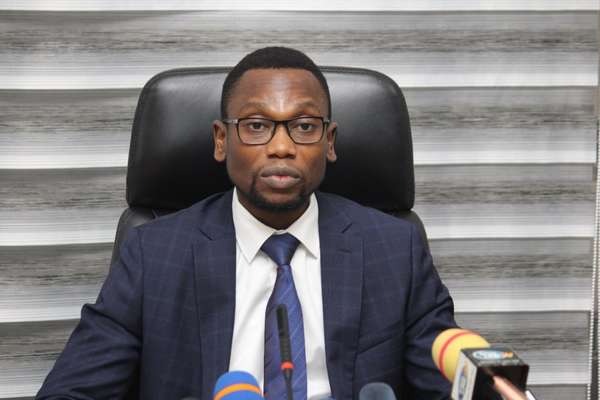
In response to mounting pressure, Mali has reaffirmed its commitment to protecting refugees and supporting voluntary repatriation and reintegration. Speaking at the UNHCR Executive Committee session, Issa Ousmane Coulibaly, Minister of Territorial Administration and Decentralization, emphasized the government’s determination to strengthen legal frameworks and humanitarian provisions for displaced populations.
Key initiatives include the adoption of a 2024 statelessness status law and the creation of a specialized national commission dedicated to addressing statelessness. Additionally, a newly validated guide aims to streamline the process for individuals seeking recognition of this status, signaling a step forward in aligning national policies with international standards.
The question now looms: Can these measures keep pace with the escalating crisis, or will public outrage and humanitarian strain force a more radical shift in approach?
What’s next? Policy shifts and shifting public opinion
As the debate intensifies, both within Mali and across the international community, the urgency for tangible solutions has never been clearer. With displaced populations continuing to grow, the focus is shifting toward sustainable protection, equitable resource distribution, and long-term integration strategies—issues that will dominate the discourse in the months ahead.
The crisis has exposed critical gaps in humanitarian response mechanisms, prompting calls for bolder, more coordinated actions. Policymakers, civil society, and affected communities are now tasked with forging a path forward that addresses immediate needs while laying the groundwork for recovery and resilience.