Niger’s fuel crisis: can overnight bans at pumps really solve the supply deadlock?
With fuel shortages crippling Niger’s economy and daily life, the government has turned to drastic measures—overnight shutdowns at gas stations and a nationwide ban on jerrycan sales. But as the new rules take effect, a critical question arises: are these restrictions the solution, or just a temporary band-aid masking deeper supply chain failures?
Night curfews at gas stations: a policy that may backfire
As of October 19, 2026, most gas stations in Niger are required to close between 9 PM and 6 AM. The stated goal? To clear the way for fuel trucks from the state-owned SONIDEP to unload supply reserves efficiently. Yet the unintended consequence could be a logistical nightmare during daylight hours.
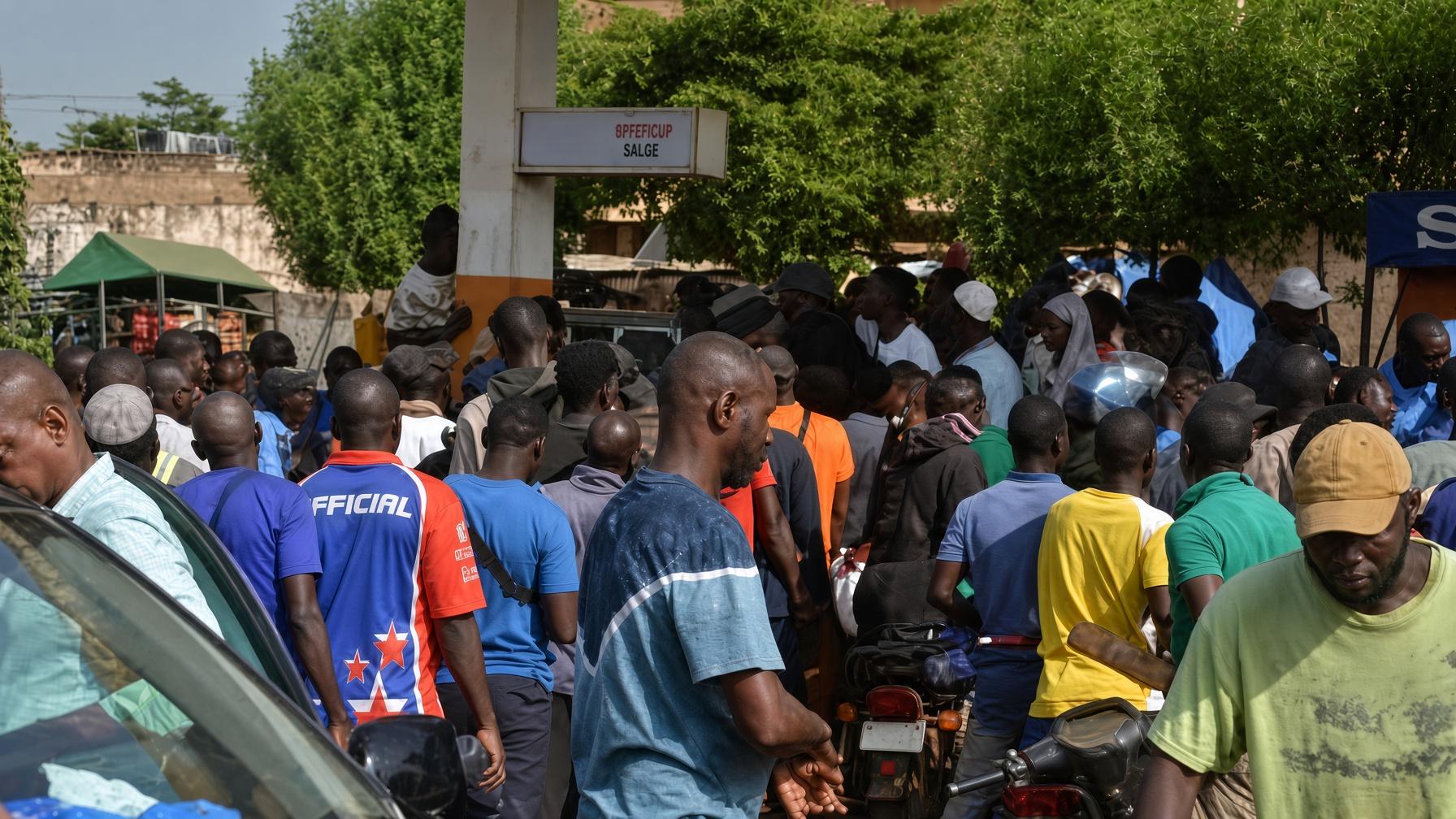
By shrinking the window for refueling, the government risks shifting peak demand to midday, when Niger’s scorching heat and overcrowded pumps create a volatile mix of frustration and inefficiency. Authorities claim they will designate select stations for emergency access, but the practicality of this plan—especially in remote areas—remains untested.
The new restrictions place an undue burden on drivers and commuters, many of whom are already struggling to adapt their schedules around unreliable supply. With no end in sight for long queues or sudden shortages, the policy’s effectiveness is in question.
Black market crackdown: addressing symptoms, not the cause
The government’s second strategy targets informal fuel sales, banning jerrycan and container purchases where legal stations exist. Officials blame smugglers and petty vendors for artificially inflating prices and fuel scarcity. Yet this approach ignores a harsh reality: informal vendors often fill gaps in areas where the formal network fails to deliver consistently.
Rather than investing in infrastructure or increasing stockpiles, the state has chosen to deploy security forces to crack down on contravening sellers. This punitive stance risks alienating citizens who rely on these vendors for basic needs. Meanwhile, the root causes of the crisis—logistical inefficiencies and insufficient supply—remain unaddressed.
What lies ahead for Niger’s fuel-dependent economy?
The overnight curfew and jerrycan ban mark the latest in a series of emergency measures aimed at stabilizing Niger’s fuel supply. But without deeper reforms to the national logistics system and assurances of increased fuel reserves, these restrictions may only deepen public discontent.
For now, Nigeriens must navigate a fragile system where fuel access hinges on policy whims rather than reliable infrastructure. Will the government’s tough stance deliver results, or will it further strain an already exhausted economy?
The public’s verdict: patience wearing thin
Conceived through consultations between SONIDEP, Niamey’s governance bodies, and local authorities, the new plan is framed as a temporary fix. Yet by relying on appeals to “civic responsibility” and “discipline,” the government places the burden of adaptation on a population already pushed to its limits.
Under these conditions, the policy risks becoming yet another point of contention in a worsening crisis. Without tangible improvements in supply chain reliability, the curfew and black market clampdown may do little more than shift the chaos from the streets to the courts of public opinion.