In a troubling turn of events, a Central African journalist who exposed the operations of the Wagner Group in his country has been denied asylum in France. Ephrem Yalike-Ngonzo, who had been granted a transit permit to enter France in 2024 at the request of French authorities, now faces an uncertain future after his asylum application was rejected on July 10.
From collaboration to whistleblowing
Yalike-Ngonzo’s journey is one of high stakes and shifting allegiances. Initially approached in late 2019 while working for multiple news outlets, he was offered financial incentives—between 15 and 30 euros per article—to publish content favorable to the Central African armed forces and their Russian allies. These payments were a significant portion of his monthly income, reflecting the precarious economic conditions faced by many journalists in the region.
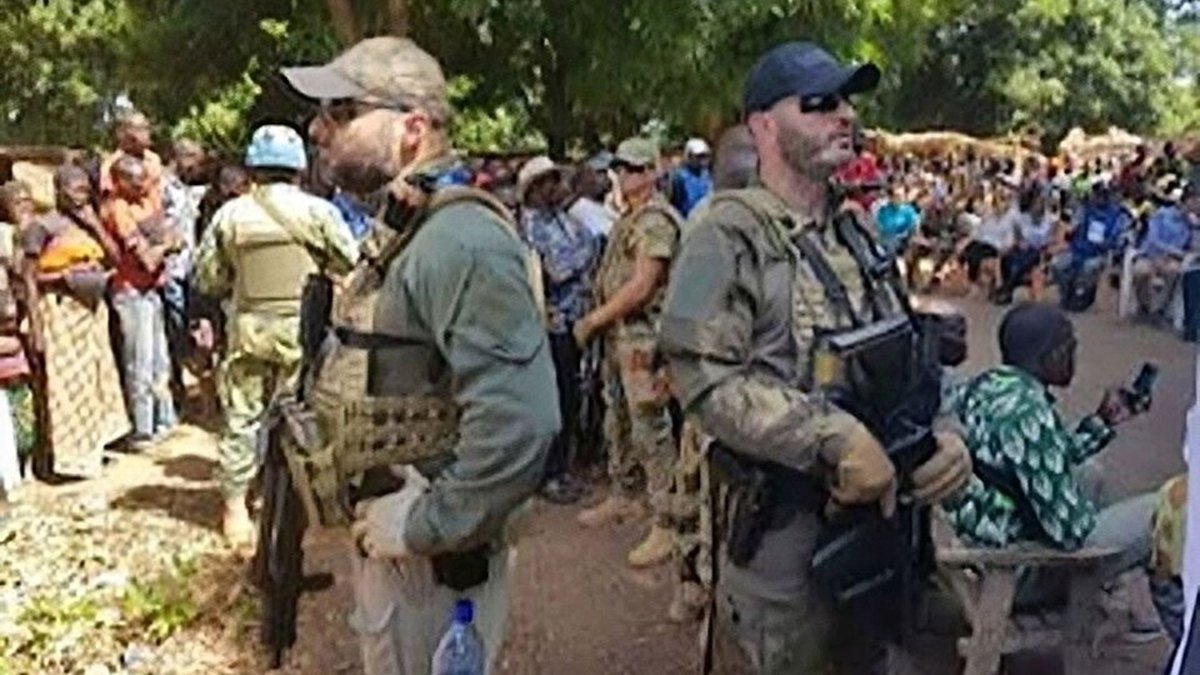
However, his involvement in the system he once supported took a dramatic turn when he began collaborating with Forbidden Stories in 2024. His revelations about Russian disinformation campaigns and Wagner’s influence in Central Africa became a cornerstone of an international investigation. These disclosures led to swift and severe repercussions, including death threats from Wagner operatives, forcing him to flee his homeland under cover of night.
The consequences of speaking truth to power
The impact of Yalike-Ngonzo’s disclosures extended far beyond Central Africa. His testimony contributed to the imposition of European sanctions against Mikhail Prudnikov, a key figure in Moscow’s propaganda network in the region. Yet, despite his critical role in exposing foreign interference, his bid for protection in France has been met with rejection.
His lawyer condemned the decision as a “profoundly negative signal” to those battling Russian disinformation campaigns across Europe and Africa. The refusal sends a chilling message to whistleblowers who risk everything to uncover the truth.
A family caught in the crossfire
While Yalike-Ngonzo remains in hiding in France with his immediate family, his relatives back in Central Africa are not spared. Authorities have intensified their pressure on them, repeatedly questioning them about his whereabouts and pressuring them to disclose his location. This harassment underscores the far-reaching reach of Wagner’s influence and the dangers faced by those associated with its critics.
On July 9, a legal appeal was filed with the French National Asylum Court. The process is expected to drag on for at least a year, leaving the journalist and his family in a state of limbo. For now, they remain in the shadows, awaiting a decision that could determine their fate.