Senegal: Ousmane Sonko’s election as Assembly President sparks political uncertainty
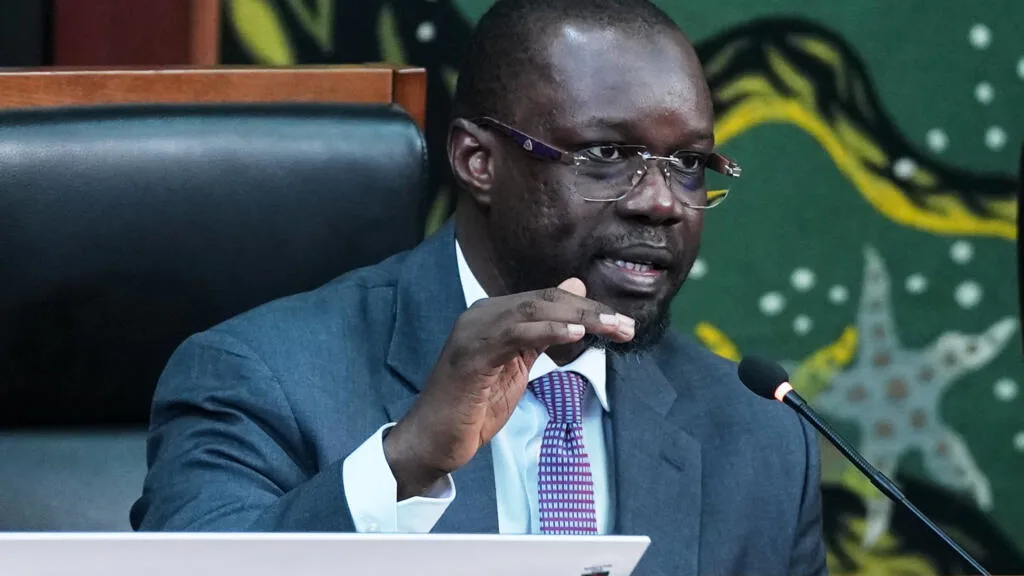
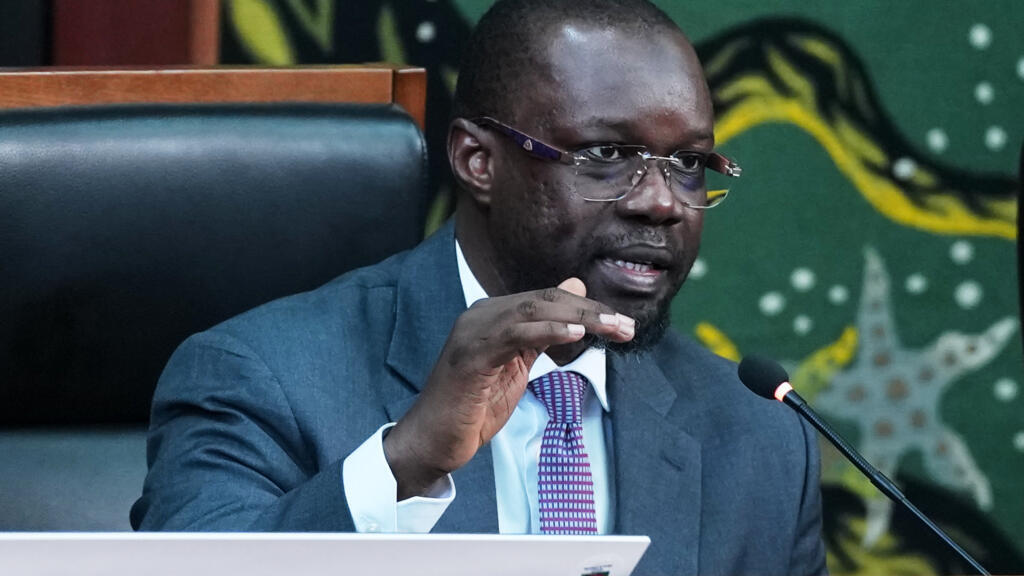
Faced with his recent dismissal as Prime Minister, Ousmane Sonko framed his election as President of Senegal’s National Assembly as a fresh start rather than a setback. Speaking to reporters in Dakar, he dismissed concerns about political disgrace, asserting his undiminished popular legitimacy.
Within just four days of his ousting, Sonko staged a dramatic political comeback, leveraging his party’s parliamentary majority to secure the Assembly’s top post. In a speech aimed at reassuring the executive branch, he pledged no personal vendettas, no institutional chaos, and no legislative blockades. Instead, he promised strict oversight of government actions and the use of all available checks and balances if disagreements arose.
An unprecedented power-sharing experiment
Political analysts describe this as an unprecedented cohabitation—one that Sonko insists will be constructive. Ellimane Haby Kane, director of the Legs Africa think tank, argues that while Sonko may appear diplomatic, his real goal is to exert control over the executive.
One early flashpoint: the president’s failure to consult Sonko’s Pastef party before naming the Prime Minister and cabinet. The standoff is far from over, Kane warns, noting that Pastef officials have already signaled conditions for joining any future government.
Even as Sonko extended an olive branch, his party issued a statement Tuesday evening outlining demands for participation in the new administration—setting the stage for tense negotiations ahead.