How Benin’s opening victory sent shockwaves through East Africa’s airbadminton scene
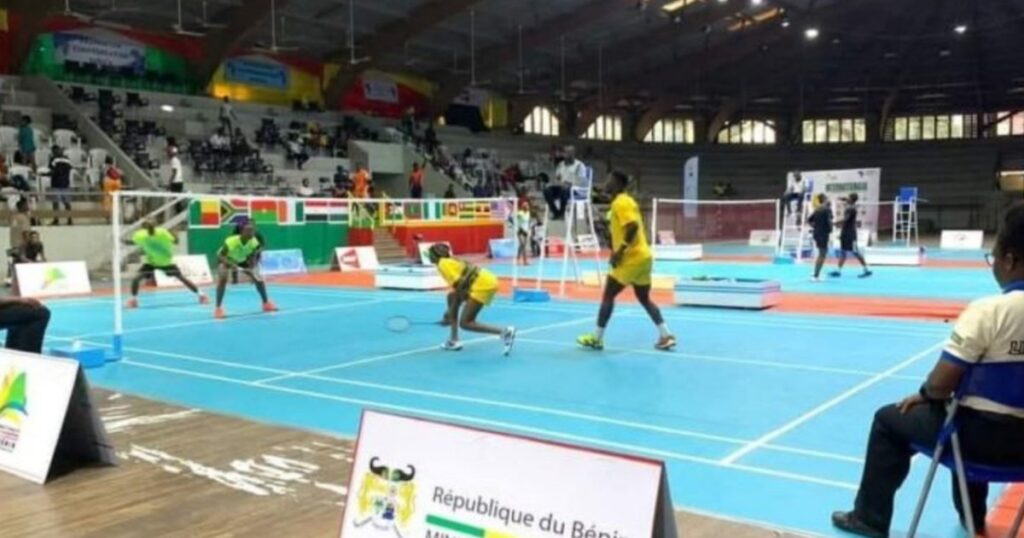
Benin’s airbadminton team delivered a stunning 60-37 upset victory against Algeria in Entebbe on September 16, sending ripples through East Africa’s sporting economy. The unexpected triumph not only reshaped the tournament’s group A dynamics but also highlighted the growing economic and social stakes of airbadminton in the region.
From Cotonou to Entebbe: a strategic sports partnership pays dividends
The Beninese squad, composed of ten athletes, relied on a disciplined game plan to dismantle Algeria’s defense. Oswald Fano-Dosh and Carlos Miguel Kpanou set the tone in the men’s doubles with a commanding 15-11 win. This momentum carried into the women’s doubles, where Gladys Akakpo and Flora Kpogbemabou extended Benin’s lead to 30-17 at halftime.
Algeria clawed back in the men’s triples, but Benin’s experienced trio—Kpanou, Fano-Dosh, and Julien Totin—secured a vital 45-31 advantage heading into the final set. Akakpo, Blessing Atchade, and Kpogbemabou sealed the match with precision, finalizing the score at 60-37. This performance underscores Benin’s rising profile in airbadminton and its potential to influence regional sports tourism and sponsorship opportunities.
Economic and sporting consequences of Benin’s breakthrough
- Tourism boost: Entebbe’s hosting of the African AirBadminton Championships has already drawn international attention, with visitors from across West Africa and beyond. Benin’s victory amplifies the city’s appeal as a high-profile sporting destination, benefiting local hotels, restaurants, and transportation sectors.
- Sponsorship opportunities: The result positions Benin as a formidable team worth investing in. Sponsors and sports brands may now prioritize partnerships with Beninese athletes, knowing their marketability has skyrocketed.
- Youth engagement: The triumph serves as inspiration for young athletes in Benin and neighboring countries. Airbadminton, a fast-growing sport, could see increased participation and funding, fostering youth development and social cohesion.
- Competitive pressure: Algeria’s loss not only affects its ranking but also its economic leverage in future tournaments. The Algerian team may now face tougher competition for sponsorships and funding, as Benin emerges as a new powerhouse.
The road ahead: Tunisia awaits in a high-stakes showdown
Benin’s next match against Tunisia—scheduled for September 18—will determine its path in the tournament. With Algeria already defeating Tunisia 60-52, the outcome of this clash will shape the group’s final standings. A win for Benin could secure their place in the semi-finals, while a loss would complicate their progression. The stakes extend beyond medals: regional pride, economic incentives, and long-term investment in airbadminton all hang in the balance.
What’s next for African airbadminton?
The championship, running until September 19 at Aero Beach, serves as a qualifying pathway for the World AirBadminton Championship. For Benin, the economic and sporting ripple effects of this victory could pave the way for greater investment in sports infrastructure and athlete development. The tournament’s success may also attract more international sponsors and fans, solidifying airbadminton’s role in Africa’s sporting landscape.
As the competition unfolds, all eyes will be on Benin and Tunisia. The team’s performance could redefine the sport’s economic future in East and West Africa, proving that airbadminton is more than a game—it’s a catalyst for growth.
You may also like
Togo: media crackdown puts businesses and citizens on edge
Benin-Rwanda partnership: how Wadagni’s Kigali visit will affect citizens, businesses and the economy
Lomé agreements: what a safe return really means for Burkina Faso refugees and host countries
Niger purge’s real toll: how Tiani’s fear is reshaping daily life, business and security
Benin’s logistics corridor bet: what it means for businesses and households