
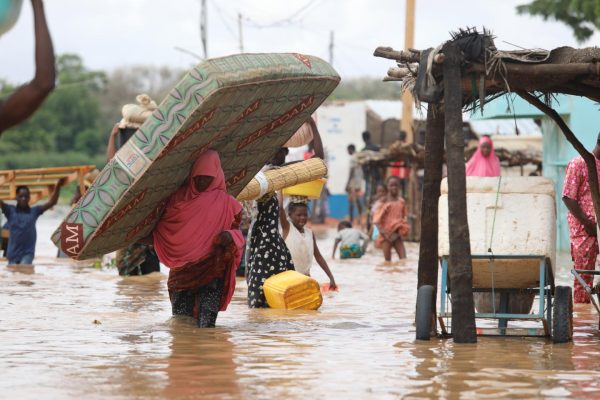
With the rainy season approaching, Nigerian authorities are raising urgent concerns. The Operational Centre for Monitoring, Alerting and Crisis Management (COVACC) has highlighted significant risks of livestock losses and material damage linked to early storms expected across the country’s agropastoral belt.
On May 11, 2026, the COVACC, operating under the authority of Niger’s Ministry of Interior, urged communities—especially livestock herders—to exercise extreme caution ahead of the 2026 rainy season. National weather forecasts predict average to above-average rainfall, with strong winds that could lead to livestock fatalities and infrastructure damage.
COVACC issues urgent warnings for the upcoming rainy season
As the first rains begin to appear on the horizon, Nigerian officials are already preparing for the potential fallout of an intense rainy season. The COVACC has formally alerted rural populations, particularly pastoral communities, to the dangers posed by the storms that typically accompany the onset of the rainy season.
Data from the National Meteorology Directorate indicates that the 2026 rainy season is expected to bring “normal to above-average” rainfall across Niger’s agropastoral belt. Precipitation levels are projected to meet or exceed historical averages recorded between 1991 and 2020.
While these conditions may benefit agriculture, they also pose serious threats to herders and community infrastructure.
Destructive winds threaten livestock and property
The COVACC emphasizes that early rains often bring destructive winds, which are particularly hazardous for livestock weakened by the dry season. Undernourished animals face heightened risks of accidents and mass fatalities when exposed to such conditions.
These weather events also cause substantial material damage. Roofs torn off, mud-brick buildings collapsing, and public infrastructure destruction are among the recurring incidents reported during this period.
Early damage already reported across Niger
As of May 11, 2026, the General Directorate of Civil Protection (DGPC) reported multiple infrastructure damages in various regions. In Allakaye, Bouza Department (Tahoua Region), violent winds destroyed a three-classroom block, a mud-brick classroom, and a wall of an integrated health centre.
In Dosso Region, specifically in Dankassari, storms caused significant damage, including the destruction of a two-classroom block, a storage facility, six streetlights, and five utility poles.
COVACC calls for heightened vigilance
In response to these risks, authorities are intensifying preventive measures to minimize human, animal, and material losses.
The COVACC advises communities to closely monitor weather bulletins and official alerts. Herders are urged to shelter livestock during severe windstorms and avoid flood-prone areas. The centre also discourages driving herds into dry riverbeds (*koris*), which can suddenly turn into raging torrents during heavy rainfall. Residents are further advised to avoid flood-prone paths and report incidents to local authorities immediately.
A critical challenge for Niger’s pastoral economy
In Niger, where livestock farming is a cornerstone of the economy and livelihood for millions, each rainy season brings both hope and vulnerability. While improved pastures offer relief, the looming climate risks demand stronger anticipatory measures to protect rural populations already grappling with security and economic challenges.
With the peak of the rainy season approaching, the COVACC’s message is clear: prevention remains the most effective defense against climate-related hazards. For Nigerian herders, the 2026 rainy season could either revitalize pastures or jeopardize years of hard-earned pastoral survival.
You may also like
Le carnet de Malian relance l’enquête sur la migration clandestine au Sénégal
Mamadi Doumbouya de retour à Conakry après une visite d’État en Côte d’Ivoire
Elversberg vs Bayern Munich: kick-off time, tv channel and team news
Gabon : l’association Force ouvre un espace de propositions pour la rentrée
Dakar 2026 : Diomaye Faye confie la flamme olympique à la jeunesse sénégalaise