Boko Haram fighters retreat after coordinated regional offensive on Lake Chad
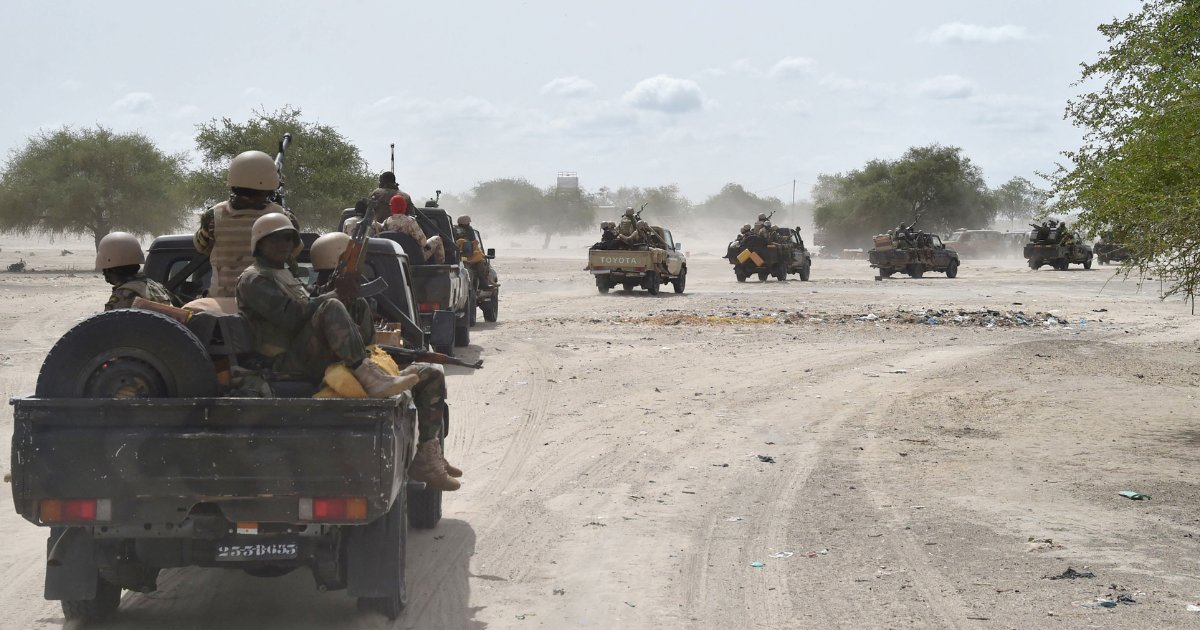
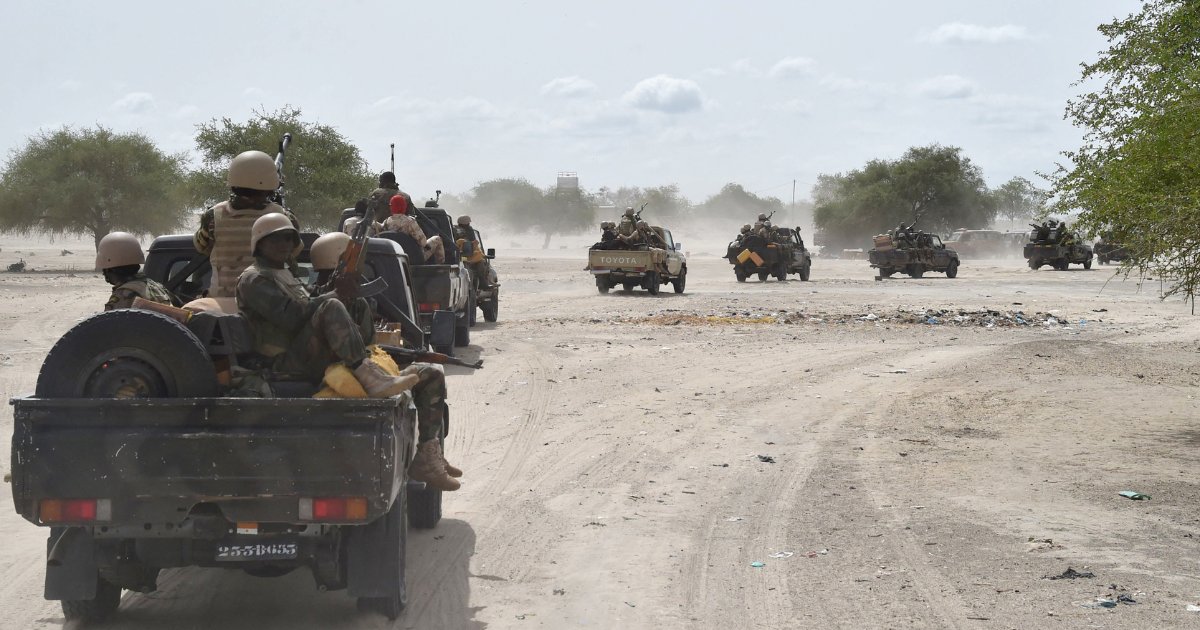
Fighters affiliated with Boko Haram have abandoned their strongholds on Lake Chad following intensive aerial and ground operations conducted by Chadian forces with support from Nigeria and Niger. The sudden retreat was confirmed by local witnesses and intelligence sources from Nigeria, who reported that the jihadist group is regrouping on the fringes of the lake.
The offensive, which began last Friday, targeted remote islands in the vast Lake Chad basin—a shared waterway between Nigeria, Cameroon, Niger, and Chad. This region has been a hotspot for extremist activity since 2009, hosting both Boko Haram and the Islamic State’s West African Province (ISWAP).
The airstrikes inadvertently resulted in civilian casualties, with dozens of Nigerian fishermen caught in the crossfire on islands under Boko Haram control. These fishermen, forced to pay extortion fees to the militant group, were attempting to sustain their livelihoods despite the ongoing conflict.
Civilian toll and jihadist displacement
Gut-wrenching footage reviewed by local reporters depicts severely burned fishermen receiving treatment at a health facility in Bosso, Niger. Many of these victims were trapped in the crossfire while working on islands dominated by Boko Haram, where they are routinely extorted for “protection fees.”
Suleiman Hassan, a fisherman who fled the conflict zone, recounted the chaos: “Boko Haram fighters are abandoning their camps on islands near Shuwa, right along the border between Nigeria, Niger, and Chad.” He detailed how militants, alongside their families, are escaping in small canoes to avoid the advancing military pressure.
The retreating jihadists have reportedly congregated on several key islands, including Dogon Chukwu, Kangarwa, Gashakar, Yawan Mango, and Kwatar Mota. Meanwhile, Chadian troops have engaged remnants of Boko Haram on Kaukeri Island, a historic stronghold of the group in the lake.
Military response and regional cooperation
The recent operations mark a direct retaliation against Boko Haram’s escalating attacks on Chadian military targets. Just last week, Chad declared three days of national mourning following an ambush that claimed the lives of two high-ranking generals. Days earlier, another assault on a military base along the lake’s shores left at least 24 soldiers dead.
According to a Nigerian intelligence source, the offensive is a tri-national effort: “Airstrikes are being coordinated by Chad, Nigeria, and Niger, with each country deploying two fighter jets to the operation.” The source, speaking on condition of anonymity, added that the remaining jihadists and their families are now stranded along the lake’s edges, too fearful to advance into ISWAP-held territories—a rival faction that split from Boko Haram in 2016.
Humanitarian crisis and long-term conflict
The decade-long insurgency has claimed thousands of lives and displaced millions, primarily in Nigeria’s northeast. Violence has since spilled into neighboring Niger, Chad, and Cameroon, prompting these nations to reactivate their “Multinational Joint Task Force,” originally established in 1994 to combat cross-border extremism.
As military pressure intensifies, the humanitarian toll continues to rise, with communities caught between advancing security forces and retreating militants. The Lake Chad region remains one of Africa’s most volatile conflict zones, demanding sustained regional cooperation to restore stability.