Dakar hosts critical discussions on Senegal’s debt burden
The capital city of Senegal, Dakar, is currently the focal point of intense discussions surrounding the country’s escalating debt crisis. A two-day international conference titled « Debt crisis in Senegal: toward sustainable, progressive solutions beyond IMF austerity » has drawn economists, policy experts, and former government officials together to explore viable alternatives to stringent fiscal policies imposed by international lenders.
The event, part of a broader continental dialogue on debt sustainability in Africa, serves as a platform for debating urgent economic reforms and debt restructuring strategies tailored to Senegal’s unique challenges.
IMF policies face mounting criticism
Prominent economist Ndongo Samba Sylla, regional director for Africa at International Development Economics Associates (Ideas), delivered a stinging critique of the International Monetary Fund (IMF), arguing that its policies have exacerbated Senegal’s debt dilemma rather than resolving it. Speaking to a room of policymakers and analysts, Sylla asserted:
The IMF is not the solution to Senegal’s debt crisis — it is part of the problem. The Fund perpetuates external debt traps through its pro-creditor stance, often serving the geopolitical interests of Western powers like the United States and France. Countries with the heaviest debt burdens are frequently allies of these nations, reinforcing an inequitable global financial order. For us, the IMF will never be the answer.
Sylla’s remarks underscore growing skepticism toward IMF-imposed austerity measures, which many argue have stifled economic growth in indebted African nations.
Calls for collective African action
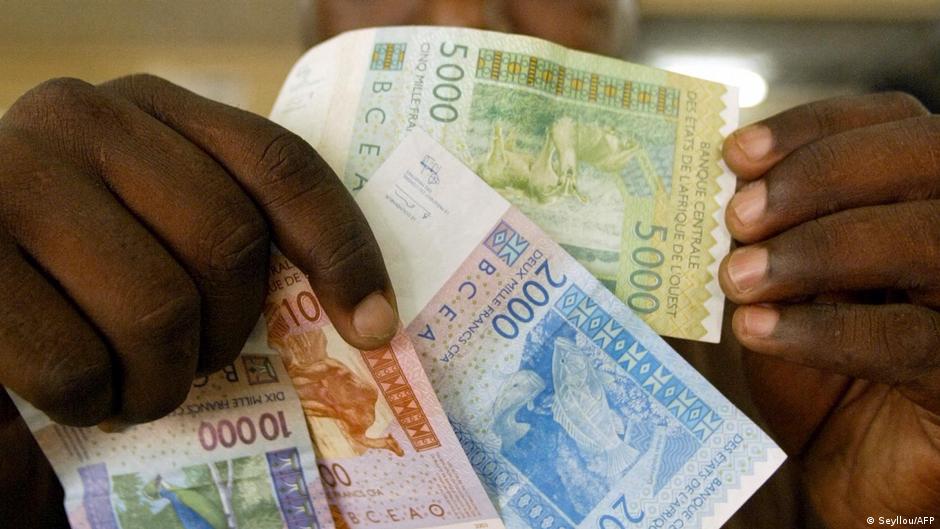
While Sylla highlighted the West African CFA franc as a structural obstacle to debt relief, Alioune Tine, founder of the Afrikajom Center, took a different view. Tine emphasized that the debt crisis is fundamentally a political issue requiring a unified African response.
« The debt question must be addressed collectively by all indebted African nations, » he stated. « Only through solidarity can we collectively reject austerity policies that cripple our economies and demand fairer financial frameworks.”
Debt exceeds 130% of GDP
The urgency of the situation was underscored in late 2024 when Prime Minister Ousmane Sonko revealed the existence of hidden debt and financial irregularities inherited from the previous administration. These revelations were later corroborated by the IMF, which now estimates Senegal’s debt-to-GDP ratio at over 130%.
Sylla and others advocate for debt cancellation on the grounds that much of it is illegitimate. « Illegitimate debt must not be repaid, » he argued. « Even if repayment were justified, a well-functioning central bank could manage these obligations without overburdening the national budget. »
Tine, however, urged a pragmatic approach, warning against isolationist tendencies in a globalized economy. « We must move beyond outdated notions of sovereignty, » he said. « Interdependence defines today’s world. The balance of power has shifted, and we must act accordingly. »
Government vows debt transparency reforms
The ruling Pastef-Les Patriotes party has pledged legislative measures to strengthen debt oversight. Ayib Daffé, parliamentary group leader of Pastef, stressed the need for parliamentary control over public borrowing and budget execution to ensure fiscal integrity and prevent future financial missteps.
Meanwhile, President Bassirou Diomaye Faye met with IMF Managing Director Kristalina Georgieva on Tuesday in Nairobi, on the sidelines of the Africa-France Summit. The stated goal: to negotiate a more favorable resolution for Senegal, which has grappled with economic stagnation for over two years.
As debates continue in Dakar and beyond, the question remains: can Senegal — and Africa at large — break free from the cycle of debt dependency and chart a path toward equitable, sustainable economic development?