Senegal and IMF tackle debt challenges and economic reforms in high-level talks
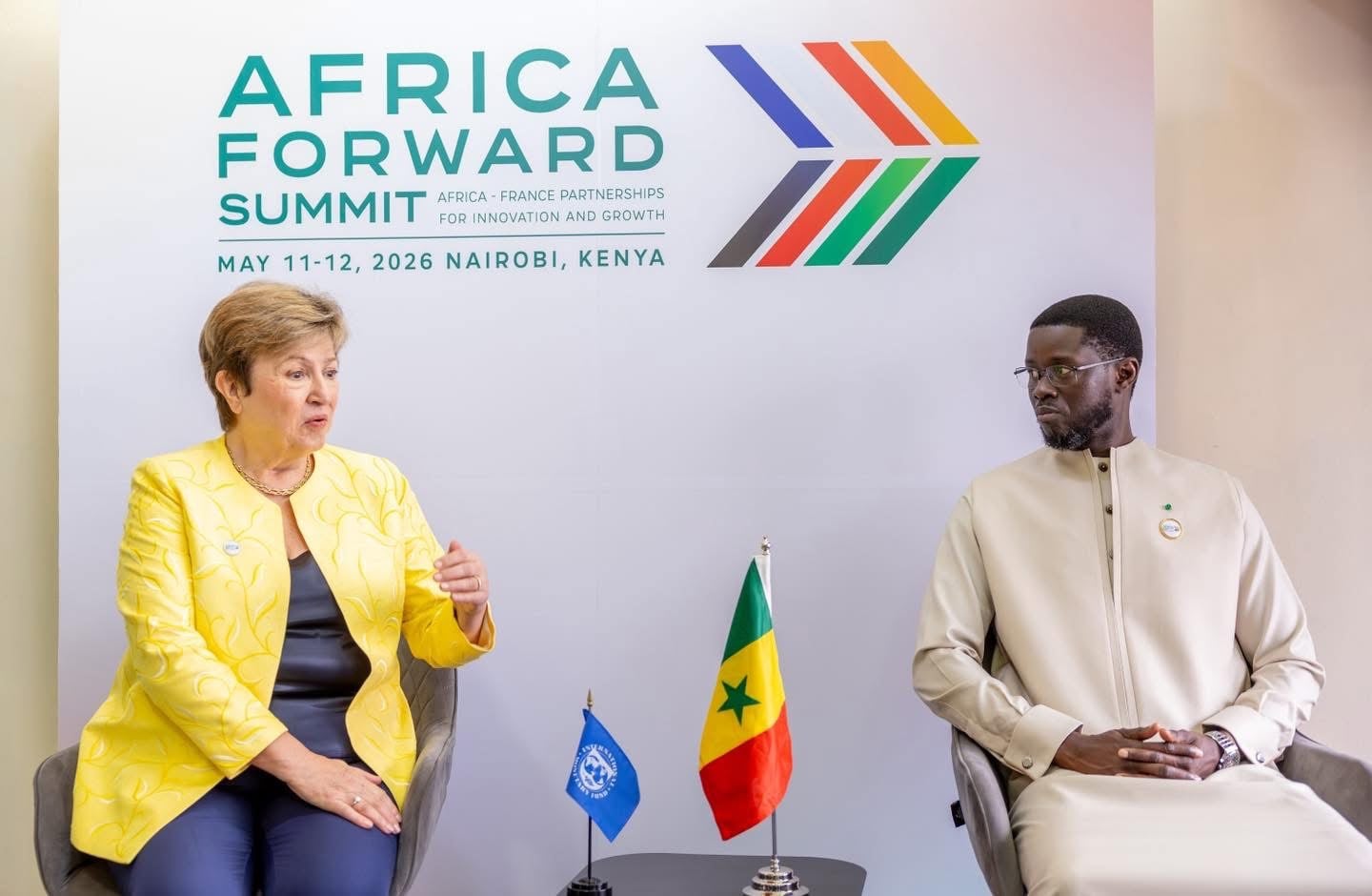
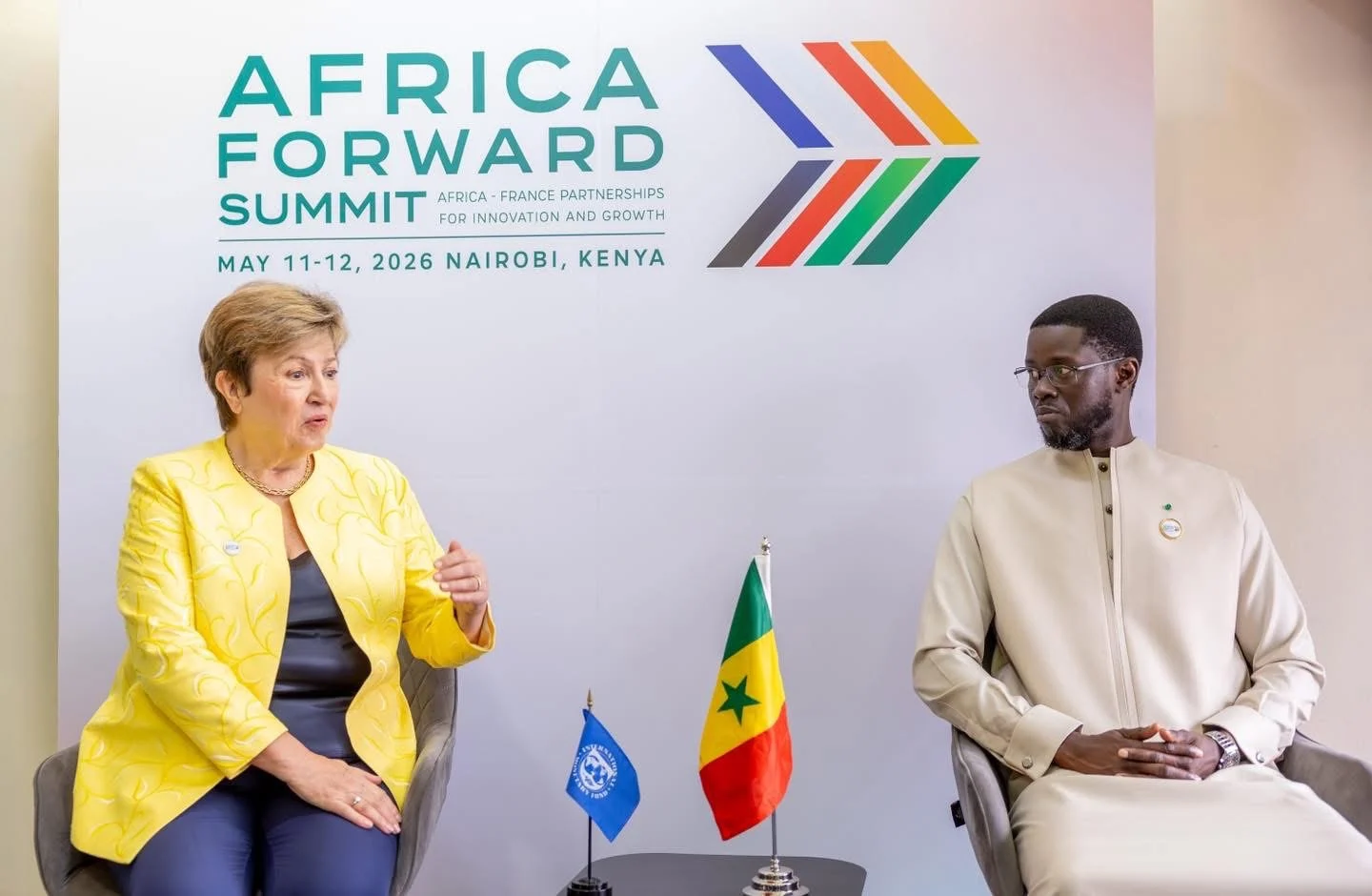
In a significant diplomatic engagement, Senegalese President Bassirou Diomaye Faye engaged in a strategic dialogue with Kristalina Georgieva, Managing Director of the International Monetary Fund (IMF). The meeting, held on the sidelines of the Africa Forward summit in Nairobi, centered on critical economic issues including debt sustainability and structural reforms essential for the nation’s financial stability.
Key takeaways from the IMF-Senegal meeting
Following the discussions, Kristalina Georgieva highlighted the importance of debt management and transparency in Senegal’s economic agenda. In a statement on X (formerly Twitter), she emphasized that the meeting covered critical reform priorities, reinforcing the IMF’s commitment to supporting Senegal’s economic trajectory.
However, no concrete announcements were made regarding a new financial program, despite Dakar’s ongoing efforts to secure one over the past two years. The absence of immediate updates has left observers questioning the timeline for finalizing such an agreement.
Challenges in debt sustainability and market access
Abebe Aemro Selassie, Director of the IMF’s African Department, previously underscored the complexities surrounding Senegal’s debt negotiations. He noted that volatile global financial conditions have made it increasingly difficult to assess the long-term viability of Senegal’s debt obligations.
« The current market instability demands meticulous forecasting of economic outlooks and debt access conditions. For countries with limited market access, this process requires rigorous analysis and thoughtful deliberation. Rushing into irreversible commitments is not a viable solution, » he explained.
Building a credible economic strategy
The IMF has urged the Senegalese government to develop a credible and sustainable economic strategy—one that balances fiscal responsibility with social welfare. The institution emphasized the need for a phased approach to reforms, avoiding excessive austerity measures that could burden citizens.
Selassie stated, « We believe it is essential to allow the government time to craft a strategy that is both financially feasible and socially equitable. These discussions are ongoing, and the primary responsibility lies with the Senegalese authorities to shape their economic path forward. »
The IMF also acknowledged Senegal’s inherited high debt levels, stressing that the priority now lies in identifying the most effective measures to stabilize the economy without compromising growth.
What’s next for Senegal’s economic roadmap?
While the IMF remains a key partner in Senegal’s financial planning, the path forward hinges on the government’s ability to present a cohesive and resilient economic plan. Stakeholders are keenly awaiting further developments as Dakar navigates debt restructuring and reform implementation.