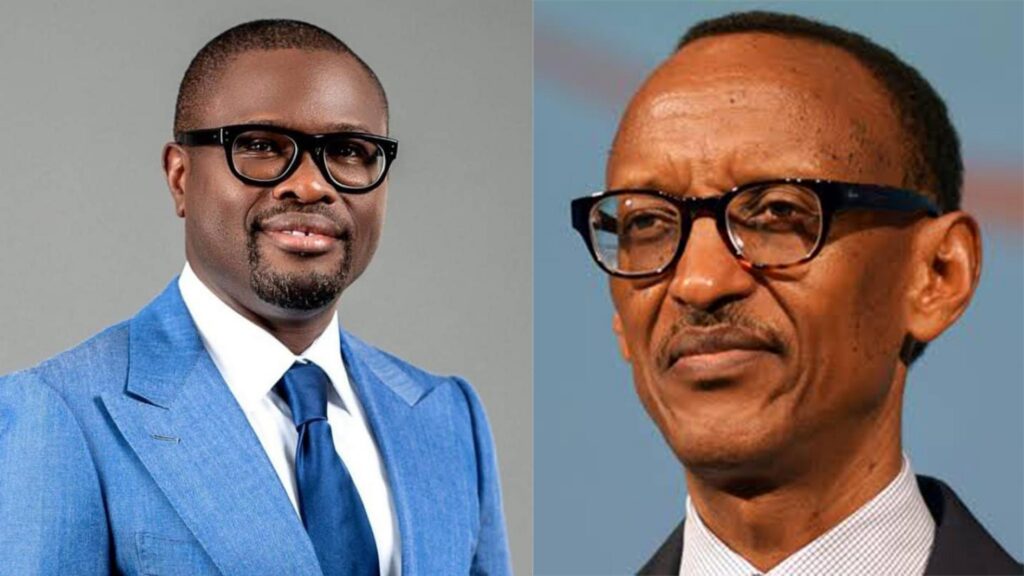
On his first official trip to Rwanda since taking office in May, Benin’s president Romuald Wadagni completed a 48-hour working visit to Kigali. The high-level meeting with president Paul Kagame signals a decisive moment in Benin’s diplomacy, confirming Cotonou’s determination to sustain a bilateral partnership that has become a model on the continent — with direct consequences for households, companies and public finances on both sides.
Security and governance dominate the agenda
Welcomed with full honours at the Village Urugwiro presidential palace, the Benin head of state held a one-on-one meeting with his Rwandan counterpart before a wider working session with ministerial delegations. At the centre of the talks: strengthening security cooperation and modernising public administration.
What the security partnership means on the ground
On security, Benin and Rwanda maintain a close partnership aimed at consolidating regional stability and sharing intelligence. Both leaders reaffirmed their commitment to continue mutual technical and logistical assistance, particularly for the protection of border areas — a direct benefit for communities living along exposed frontiers and for traders whose routes depend on predictable security.
Economic and administrative gains for businesses
On the economic and administrative front, the Benin delegation showed strong interest in Rwandan models for attracting foreign direct investment and digitising public services. Drawing on his financial and economic expertise, Romuald Wadagni stressed the importance of building pragmatic synergies between Cotonou and Kigali to boost intra-African trade — a move that could lower costs and open new markets for Beninese and Rwandan enterprises alike.
Memory and proximity diplomacy
Following the republican tradition observed during official visits to Kigali, the Benin president also went to the Gisozi Genocide Memorial. He laid a wreath in tribute to the victims of 1994, praising the resilience of the Rwandan people and their ability to rebuild a prosperous and united nation — a gesture that reinforces the human dimension of the partnership.
This official visit confirms that the Cotonou-Kigali axis remains a central pillar of Benin’s foreign policy, focused on economic development, technological innovation and shared security — with tangible effects expected for citizens and businesses across both economies.
You may also like
Togo: media crackdown puts businesses and citizens on edge
Lomé agreements: what a safe return really means for Burkina Faso refugees and host countries
Niger purge’s real toll: how Tiani’s fear is reshaping daily life, business and security
Benin’s logistics corridor bet: what it means for businesses and households
Niger mosque abductions: the real toll on families, trade and trust after 500 worshippers vanish