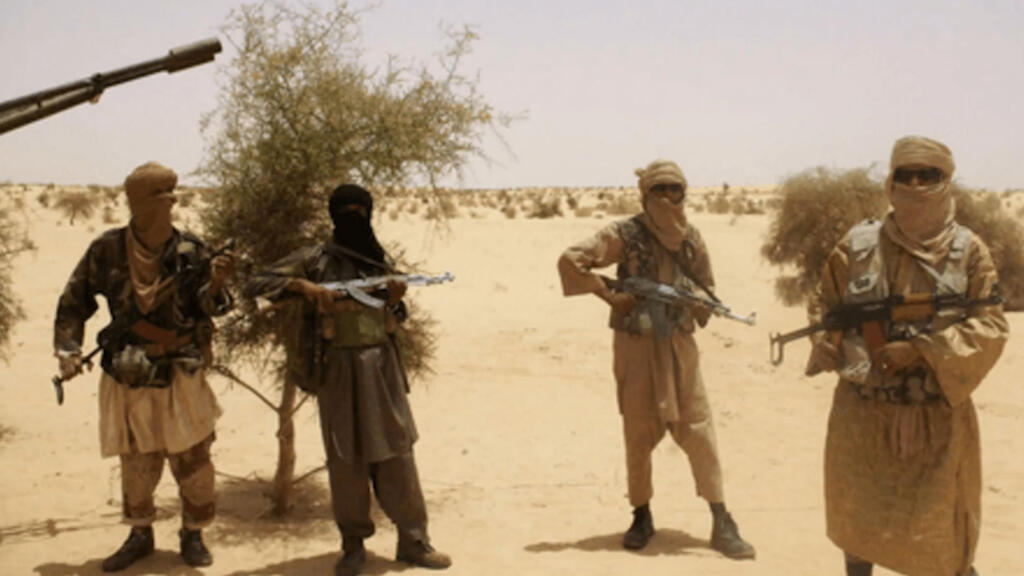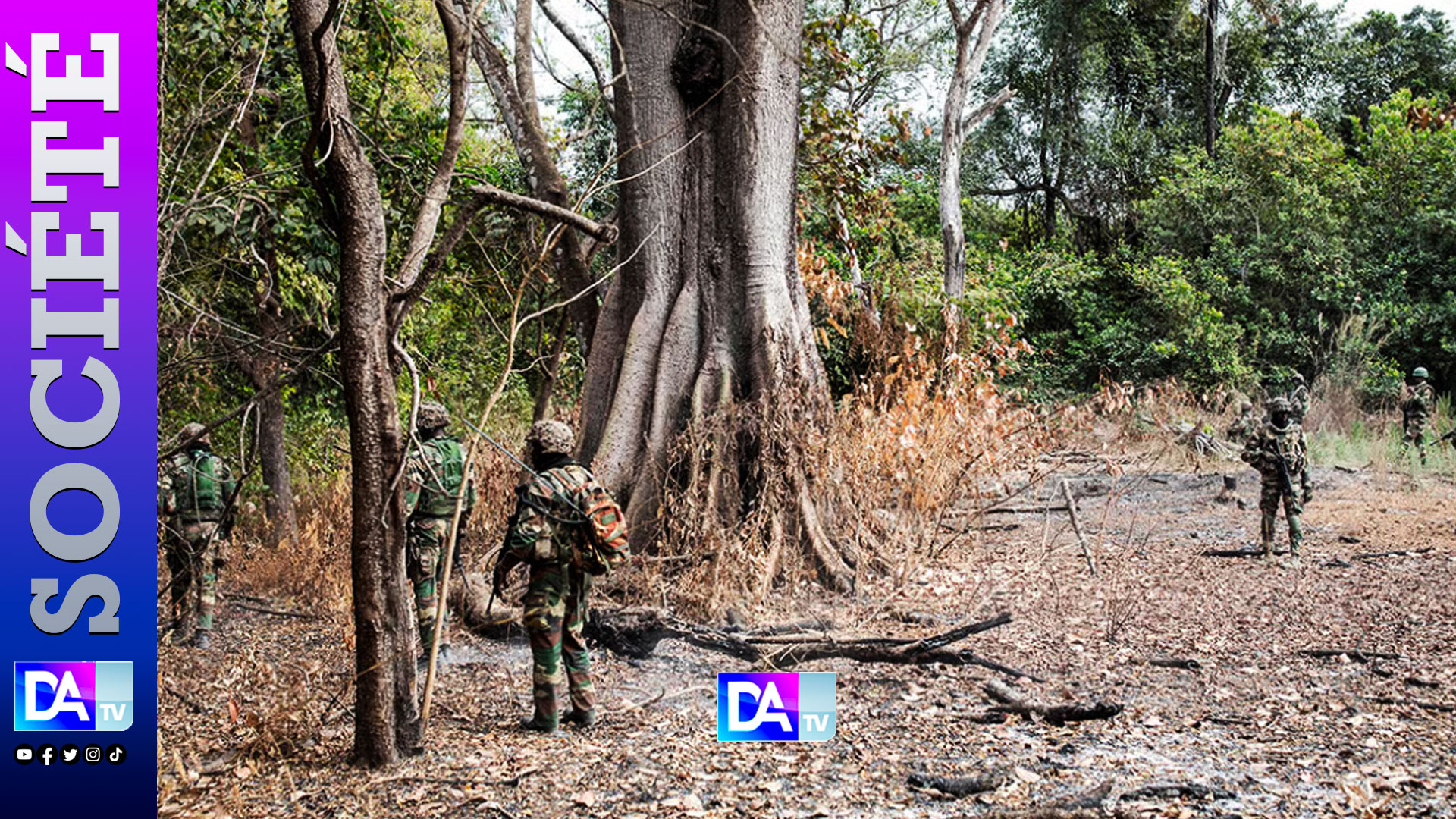
In early May, Senegalese security forces, supported by trained detection dogs, carried out a major operation against cannabis fields in Casamance. This latest military action underscores the persistence of one of Africa’s longest-running conflicts—a low-intensity war that has simmered for over four decades in southern Senegal, despite the significant weakening of the separatist rebellion.
The mission targeted areas near the Gambian border, where fighters from the Movement of Democratic Forces of Casamance (MFDC) have been active since their insurgency began in December 1982. The operation, described by regional military commander Colonel Cheikh Guèye as conducted “without major difficulties,” resulted in 14 arrests, the seizure of military-grade weapons, and more than six tons of cannabis.
Colonel Guèye emphasized the strategic focus of the raid, stating it aimed to “strike at the heart of the rebels’ economy and war financing.” Cannabis cultivation has long provided the MFDC with substantial financial resources, enabling its operations despite dwindling popular support.
Rebellion on the brink: lost support and internal fractures
Once a formidable force, the MFDC has suffered severe setbacks in recent years. Military experts and local observers agree that the group is now a shadow of its former self. “The rebellion has been severely weakened,” noted a security analyst familiar with the conflict. “It retains only residual forces, no longer recruits new fighters, and faces the challenge of aging combatants as the Senegalese army has significantly expanded its manpower and arsenal.”
The MFDC’s decline is further compounded by deep internal divisions among its political and military factions. Supply lines for weapons and ammunition have been disrupted, particularly since neighboring Guinea-Bissau and Gambia have increased cooperation with Dakar to curb rebel activities. A local civil society leader explained, “The movement’s political and emotional base—once rooted in community support—has progressively eroded.”
She added, “After decades of conflict, communities are disillusioned with the MFDC and now prioritize peace over continued struggle.” This shift in public sentiment has been reinforced by the rise of political leaders from Casamance, including Prime Minister Ousmane Sonko, whose leadership has been seen as a turning point for the region.
Cannabis cultivation fuels instability
The resurgence of violence in parts of Casamance—particularly in the northern Sindian area near the Gambian border—is closely linked to the thriving illegal cannabis trade. The region’s dense forests, poor infrastructure, and economic hardship among local populations have made it a hotspot for illicit activities, with many relying on cannabis cultivation for survival.
A former elite military officer described the area as “a haven for criminal networks” due to its isolation and agricultural potential, despite limited access to markets. Some residents have even sought religious justification for cannabis farming, approaching local imams for guidance on its permissibility under Islamic law.
Prime Minister Sonko has made clear his government’s stance: “While we remain open to dialogue with the MFDC, we will not tolerate any compromise on national territorial integrity.” He also acknowledged that cannabis remains a critical issue, stating, “The rebels may still pay lip service to independence, but the real problem is cannabis. We will deploy all necessary means to eradicate it.”
Fragile progress toward peace
Despite ongoing tensions, there have been tentative steps toward reconciliation. In February 2025, a peace agreement was signed in Bissau with one faction of the MFDC, following a similar accord reached near Ziguinchor three years prior. Local civil society groups report that refugees and displaced persons are gradually returning to their villages as hostilities ease and weapons are partially surrendered.
However, the path to lasting peace remains uncertain. “While some armed elements have laid down their arms, others remain hesitant,” warned a civil society representative. “The question of full pacification is far from resolved.”