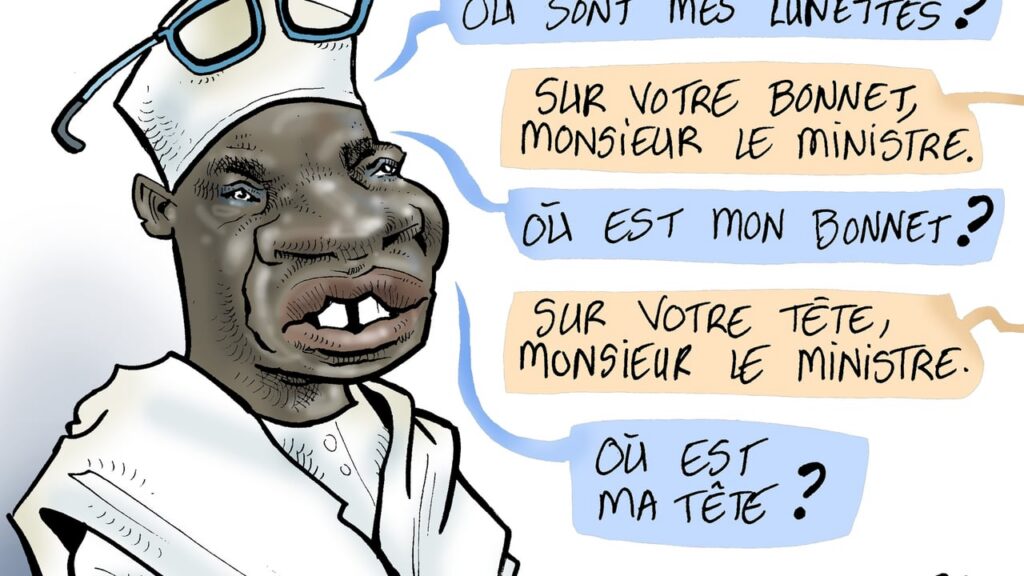
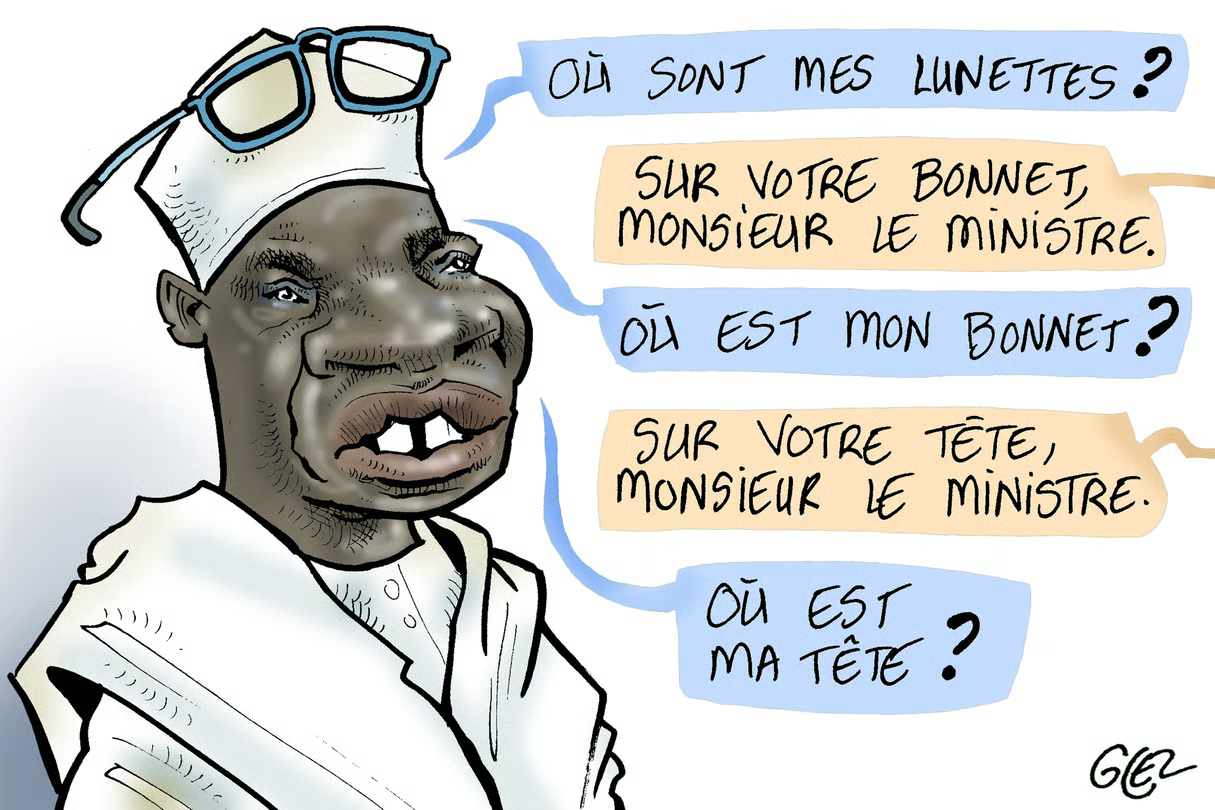
In Cameroon, the eyeglasses affair involving a government minister has ended with four journalists hit by heavy sentences. The fallout has sparked a heated national conversation about the state of press freedom, the limits of satire, and the direction the country is heading.
In the wake of the ruling, observers inside and outside the media are asking pointed questions. What does this outcome say about the space left for critical reporting? How will newsrooms adjust? And what comes next for the individuals at the centre of the case?
What the sentences mean for Cameroon’s press
The convictions have sent a chill through newsrooms across Cameroon. For many journalists, the message is clear: even a seemingly minor story can carry severe consequences. The case began with an image mocking a minister’s eyeglasses, but it ended with prison terms and fines that have alarmed press advocates.
Legal experts note that the charges weighed against the reporters relied on provisions that critics say are vaguely worded and easy to abuse. The defence argued that the work fell within the bounds of satire and commentary, but the court disagreed, setting a precedent that is now being dissected by lawyers and journalists alike.
From courtroom to public debate
Public reaction has been swift. On social media and in opinion pages, Cameroonians are split. Some see the verdict as a necessary defence of official dignity; others view it as a disproportionate response that undermines democratic accountability. The debate has moved beyond the specifics of the case to touch on broader questions about governance and the role of a free press.
International press watchdogs have weighed in, urging Cameroonian authorities to reconsider laws that criminalise defamation and insult. Their statements have added pressure on the government, which has so far defended the judiciary’s independence while avoiding direct comment on the merits of the ruling.
The outlook for journalists and free expression
For the four convicted journalists, the immediate future involves legal appeals and, in some cases, imprisonment. Their colleagues describe a mood of anxiety and defiance. Many are now more cautious, but others insist that self-censorship would be a greater defeat.
Media organisations are calling for solidarity and legal reform. They argue that the case has exposed the fragility of protections for journalists and that without changes, similar prosecutions will continue. The government, for its part, has signalled no intention of amending the laws, leaving the initiative to civil society and international partners.
What to watch in the coming months
Several developments will shape the next chapter. The appeals process will test whether higher courts are willing to overturn or reduce the sentences. Meanwhile, the reaction of Cameroon’s international allies—particularly those that fund media development—could influence the government’s stance.
Inside the country, the case has energised a new generation of journalists and activists. They are using the verdict as a rallying point, demanding stronger legal safeguards and more transparent judicial proceedings. Whether that momentum translates into concrete change remains an open question.
For now, the eyeglasses affair stands as a cautionary tale about the cost of speaking truth to power in Cameroon. Its aftermath will be measured not only in courtrooms but in the daily decisions of editors and reporters who must navigate an increasingly uncertain landscape.
You may also like
Nanga armored vehicles: mounting fallout, public backlash and where Burkina Faso goes from here
Mali’s official narrative stirs debate as Goïta’s promises collide with daily struggles
Nanga armoured vehicles: Burkina Faso’s ‘made in Burkina’ claim sparks national debate as questions mount
Sévaré attack aftermath: Mali’s security debate and the road ahead
Mali’s JNIM attacks: mounting toll, rising debate, uncertain path forward