The Race to the Élysée: Over 30 contenders, one insurmountable hurdle
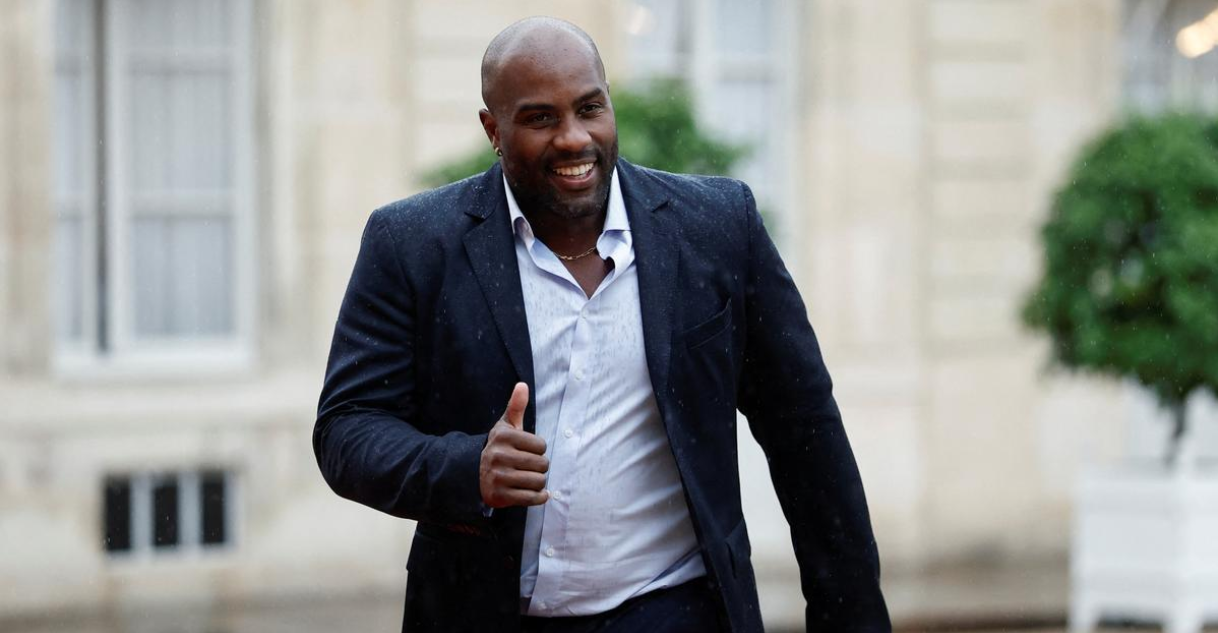
With the 2027 French presidential election just months away, more than 30 individuals have stepped forward with ambitions to lead the nation. From established political figures to outsiders like Olympic judo champion Teddy Riner, the field is growing increasingly crowded. Yet the real battle isn’t just about gaining public attention—it’s about securing a critical bureaucratic stamp of approval.
In France, declaring a presidential run is only the first step. To appear on the ballot, every candidate must overcome a formidable obstacle: gathering 500 official endorsements, known as parrainages, from elected officials across the country.
The sheer number of hopefuls underscores the election’s magnetic pull, but it says nothing about who will ultimately clear this pivotal threshold. Riner’s surprise announcement in November 2026 added another layer of unpredictability to a race already brimming with high-profile contenders.
The 500 endorsements: a logistical and strategic gauntlet
The path to legitimacy is governed by strict legal requirements. Candidates must collect signatures from elected officials who hold specific mandates—mayors, members of parliament, regional and departmental councilors, and other authorized local and national leaders.
But quantity isn’t the only challenge. The law demands a geographic spread of support: no more than 50 signatures can come from a single department or overseas territory, and endorsements must originate from at least 30 different regions. This rule prevents any candidate from relying on a narrow regional stronghold.
It’s worth clarifying: endorsements are not necessarily expressions of political alignment. An official can sign a candidate’s petition without sharing their ideology—it’s a procedural step, not a policy endorsement.
Beyond signatures: the formal requirements for presidential hopefuls
To qualify for the race, candidates must meet several legal criteria. They must be French citizens, at least 18 years old, and possess full civil and political rights. They cannot be under guardianship or subject to legal ineligibility.
Additional obligations include compliance with national service requirements and adherence to electoral regulations. Once the 500 endorsements are secured, candidates submit their dossiers to the Constitutional Council, which verifies the legitimacy of signatures, eligibility, and formal consent.
Candidates must also file a declaration of assets and a statement of interests and activities. Only after this review does the Council publish the official list of approved candidates.
Key deadlines and the final cut
The window to submit 500 endorsements closes at 6:00 PM on March 12, 2027. The Constitutional Council must then finalize the list of candidates by March 26, 2027.
For newcomers or those lacking political networks, this period is a high-stakes marathon. Every signature counts, and the geographic constraints make the task even more daunting.
From ambition to reality: how many will actually make the ballot?
Not all 30+ contenders will cross the finish line. Some may withdraw; others may fail to secure the required endorsements. The distinction between declared ambition and official candidacy is stark—and the 500-signature rule is the decisive filter.
Riner’s challenge is emblematic: even with star power and media attention, he must now navigate a complex web of local politics to earn the backing of enough officials. The same holds true for lesser-known figures.
The first round of the presidential election is scheduled for April 18, 2027, with a potential runoff on May 2, 2027. But until then, the real contest is not in the public eye—it’s behind the scenes, in town halls and regional chambers across France.
The message is clear: in French politics, dreams of the Élysée begin long before the campaign trail. They start with the arduous task of collecting signatures.