The Algerian trade offensive: a new chapter for Niger’s economy
On November 7, 2026, a convoy of 25 heavy-duty trucks rolled out of the Algerian town of Adrar, carrying a massive 1,050-ton shipment bound for Niger. Laden with dates, detergents, packaging materials, and salt, this commercial expedition underscores a critical dilemma: can Niger’s local producers compete against the rising tide of Algerian imports?
The operation, involving nine Algerian economic operators, aligns with Algeria’s push to expand non-hydrocarbon exports and tap into African markets. For Niger—a landlocked nation heavily reliant on cross-border trade—this influx could reshape its economic landscape, but at what cost to domestic industries?
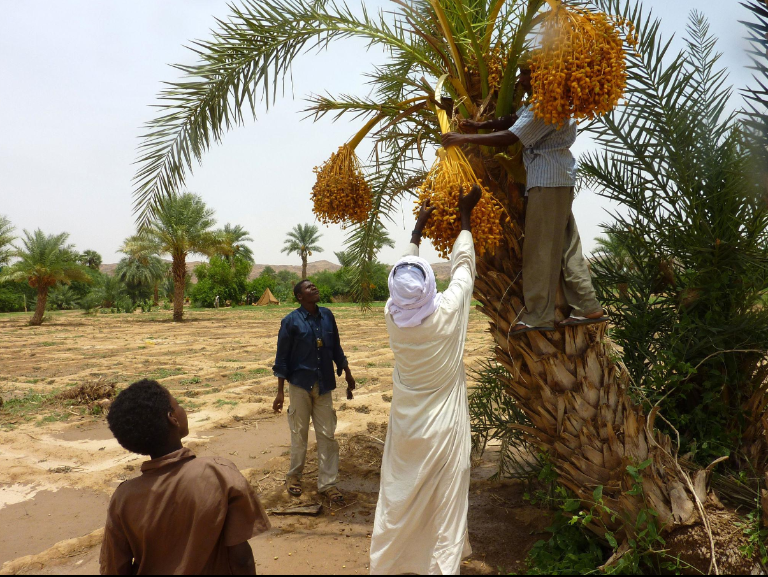
Dates from Kawar: a generational struggle against imported competition
The Nigerien date industry, particularly in the Kawar region—home to Bilma, Fachi, Dirkou, and Djado—faces a generational challenge. This area, rich in date varieties and traditional know-how, grapples with low yields, scarce water resources, and high transport costs. Constraints like inadequate storage and packaging infrastructure further hinder local producers.
Historically, the Kawar dates have already contended with competition from Algerian and Libyan imports, as reports from 2024 highlighted. The surge in Algerian dates could exacerbate the pressure, pushing local producers to the brink if imported options prove more affordable, accessible, or visually appealing. The real issue isn’t just the presence of Algerian dates but whether local farmers can secure fair access to distribution channels and compete on equal footing.
Quality control vs. market competition: a balancing act for regulators
In response to these challenges, Niger’s Ministry of Commerce and Industry announced a compliance inspection program starting August 1, 2026. The initiative aims to shield consumers from unsafe or substandard imports while preventing unfair competition from undermining compliant local businesses. However, inspections alone won’t level the playing field—local industries also need financial support, better infrastructure, and streamlined access to markets to thrive.
Industrial squeeze: detergents and packaging sectors on the brink
Beyond agriculture, Niger’s small and medium-sized industries producing detergents and packaging materials are also in the crosshairs. Structural hurdles like exorbitant raw material costs, supply chain disruptions, and expensive transportation plague local manufacturers. Some have been forced to shut down, as reports from November 2024 revealed.
The arrival of cheaper Algerian alternatives could intensify this pressure. If imported products dominate with lower price points, local businesses risk losing market share, stifling industrial investment, and shrinking job opportunities. Whether this trade surge becomes a crippling wave or a manageable tide depends on volumes, pricing, and Niger’s ability to meet consumer demand.
From consumer market to economic partner: redefining Niger-Algeria trade
While Algerian imports could alleviate shortages and diversify supply chains for Niger, the relationship risks reinforcing an imbalanced dynamic. Without deeper collaboration—such as joint investments, technology transfers, or local processing initiatives—Niger may remain a mere outlet for its neighbors’ goods rather than a self-sustaining economy.
The 25 trucks from Adrar represent more than a logistics milestone; they symbolize Algeria’s commercial ambitions and Niger’s urgent need to safeguard its industrial future. The question isn’t whether Algerian products should enter Niger, but how both nations can structure trade to foster mutual growth without sacrificing local industries.
Key takeaways for Niger’s economic resilience
- Local industries must modernize infrastructure, improve access to finance, and enhance competitiveness to withstand the influx of imports.
- Quality control measures are essential but insufficient alone; policymakers must pair them with industrial support.
- Strategic partnerships could transform trade into a driver of shared prosperity, not just a one-way flow of goods.