Understanding Africa Corps: Russia’s shadowy paramilitary force expanding in Niger
A shadowy Russian military unit, Africa Corps, has emerged as a key player in Niger’s security dynamics, replacing Wagner’s controversial legacy in the Sahel.
Recent clashes in Niger’s northern territories have exposed Africa Corps’ shifting military strategies. As regional alliances realign, this Russian-backed unit is consolidating control over critical resource corridors while providing security guarantees to local juntas.
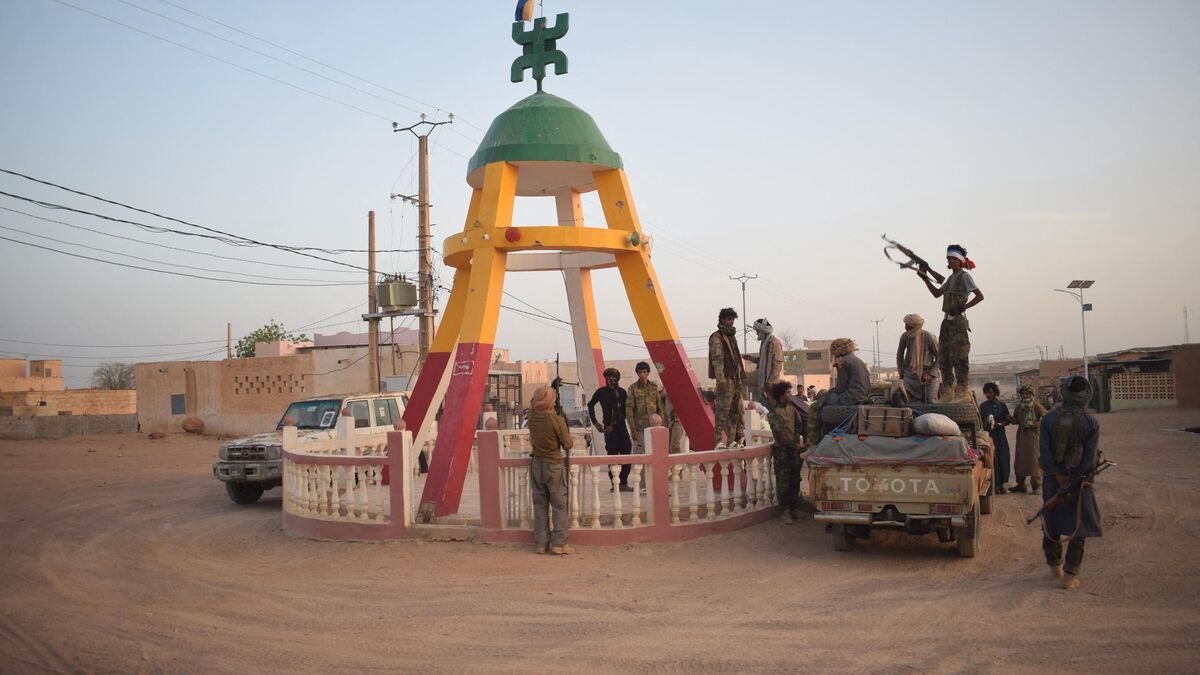
Analysts note that Africa Corps’ operational footprint in Niger now rivals its presence in Mali, where the group recently withdrew from Kidal following sustained pressure from coalition forces. The organization’s pivot toward Niger reflects Moscow’s determination to maintain influence across the Sahel.
Origins and strategic evolution
Established in late 2023 under Kremlin supervision, Africa Corps represents Russia’s attempt to institutionalize its African military engagements. Former Wagner associates, including high-ranking defectors, now lead operations in Niger’s uranium-rich north, where French counterterrorism forces previously dominated.
The group’s command structure differs markedly from Wagner’s decentralized model. Africa Corps operates under direct Defense Ministry oversight, with Vice-Minister Yunus-Bek Yevkurov reportedly overseeing its Niger operations. This centralized approach aims to reduce operational risks while increasing Moscow’s strategic flexibility.
Niger’s critical role in Russia’s Sahel strategy
Africa Corps’ presence in Niger serves multiple objectives. Beyond protecting uranium supply chains—which account for 7% of global production—Niger provides a strategic vantage point overlooking both Mali and Libya. The group’s soldiers now secure key transit routes used by migrant flows bound for North Africa, giving Moscow leverage over European migration policies.
Military capabilities and local integration
Unlike Wagner’s notorious battlefield tactics, Africa Corps prioritizes establishing formal partnerships with Nigerien military councils. Reports indicate the group has trained over 1,200 local conscripts in advanced combat techniques, while supplying armored vehicles and air defense systems to counter drone threats from non-state actors.
International responses and controversies
Western governments have condemned Africa Corps’ activities, with sanctions targeting senior commanders accused of human rights violations in Niger’s Agadez region. The United Nations Security Council recently debated whether the group’s uranium extraction activities violate international embargo provisions.
The group’s name itself carries historical weight. Inspired by Nazi Germany’s Afrika Korps, Africa Corps seeks to project an image of historical inevitability while distancing itself from Wagner’s brutal reputation. This calculated branding strategy aims to appeal to African audiences while maintaining plausible deniability for Moscow.