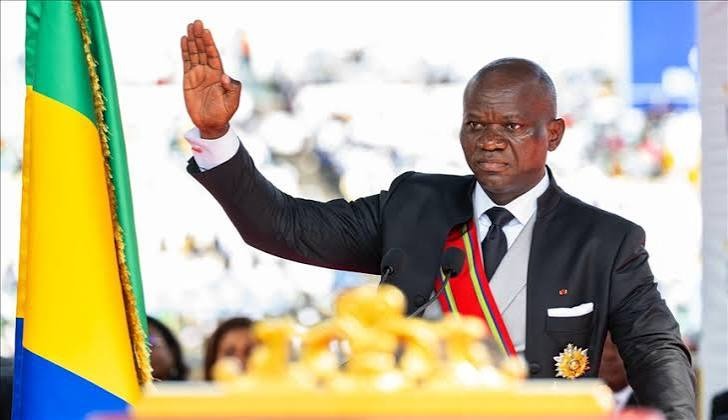
The Gabonese government has made one of its boldest moves yet to clean up the public payroll. After a sweeping biometric and accounting audit, more than 1,400 state employees have been formally dismissed for abandoning their posts. The decision, ordered by the country’s transitional authorities, has triggered a wide public debate about wasted public money, fairness for honest workers and the reforms still needed to stop the problem from returning.
How the purge unfolded
For years, a striking number of people kept collecting a monthly salary without ever showing up for work. Some were living abroad, others held parallel jobs in the private sector, and many had simply stopped coming to the office altogether. The audit was designed to expose exactly these cases and clear the administration’s records once and for all.
A windfall of 11 billion CFA francs
By removing the 1,473 agents who were not reporting to their posts, the state expects to save more than 11 billion CFA francs (roughly 16.7 million euros) every year. According to the government, that money will be redirected toward projects that directly benefit the population, including hospital renovations, school construction and the recruitment of real teachers and health workers.
Concerned unions call for caution
While many citizens have welcomed the cleanup after years of frustration over wasted public funds, some unions are urging prudence. They want assurances that no regular employee was dismissed by mistake because of a technical glitch in the database. The ministry has said that questionable cases will be reviewed one by one, while warning that anyone who received pay without working could face legal action to repay the undue sums.
The road ahead
This operation reflects the current authorities’ determination to restore order in the way the country is run. But dismissing absent workers is only a first step. The real test will be making sure these bad habits never come back and that every franc of public money is henceforth spent on Gabon’s development.
You may also like
Simporé’s TV admission: Burkina Faso reacts as the security narrative crumbles
After Burkina Faso’s imam crackdown: the fallout, the anger, and the road ahead
Benin’s disability card rollout: reactions, scrutiny and what happens next
KwaMakhutha massacre: shockwaves, public anger and a province asking what comes next
After 25,000 tonnes of Russian wheat, Burkina Faso faces a food sovereignty reckoning