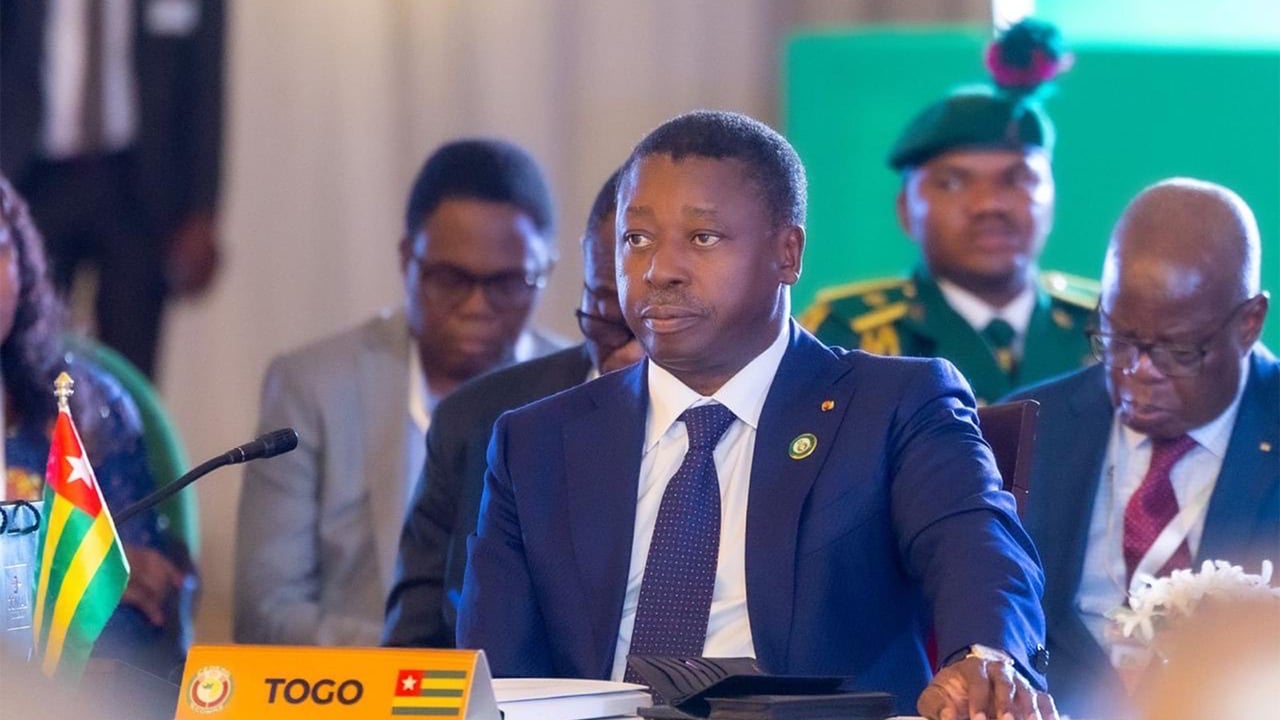

The current diplomatic approach of Togo is defined by a strategic silence that speaks volumes about its international positioning. This was evident on Monday, March 9, when Faure Essozimna Gnassingbé welcomed the Russian Minister of Defense, Andreï Belousov, to Lomé.
The Russian official had landed in the capital the previous evening for this unannounced visit. While the Togolese presidency confirmed the occurrence of this high-level meeting, the administration chose to remain entirely silent through official channels, releasing no formal statements or press releases regarding the encounter.
A delicate balancing act in West Africa
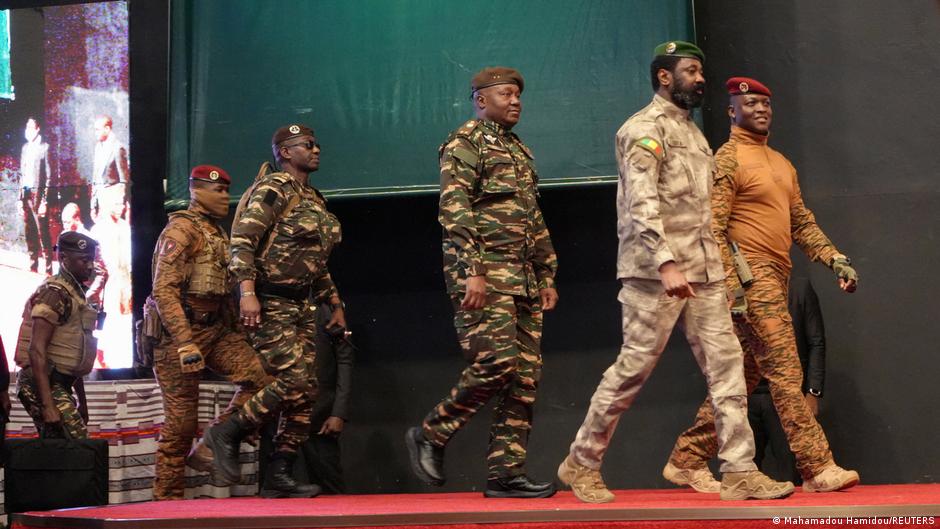
By maintaining this low profile, the Togolese head of state continues to navigate a complex geopolitical landscape. Togo finds itself at a crossroads, managing relations with traditional regional bodies like ECOWAS while simultaneously engaging with the Alliance of Sahel States (AES) and global powers like Russia.
This discreet meeting highlights Lomé‘s desire to keep its options open and leverage its position as a neutral mediator or a strategic partner for various factions. The lack of public fanfare suggests a careful calculation intended to avoid alienating regional allies while strengthening ties with Moscow.
As Faure Gnassingbé continues this diplomatic tightrope walk, the focus remains on how these quiet maneuvers will influence the security and political dynamics of the region. The meeting with Andreï Belousov is just one piece of a broader puzzle where Togo seeks to assert its influence through quiet but effective power plays.