
Lomé’s strategic pivot in West Africa’s security landscape
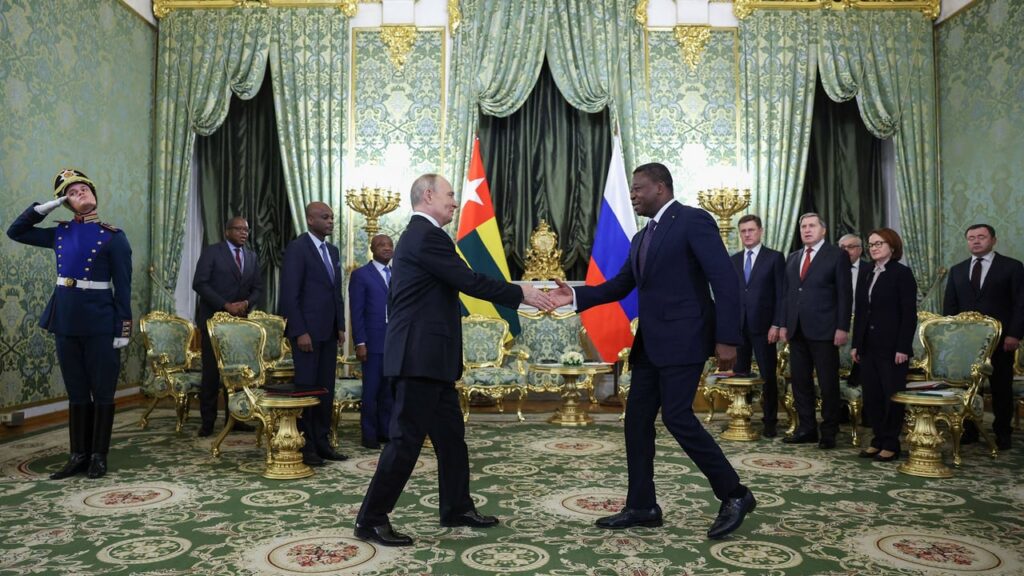
In a discreet yet decisive move, Togo has begun reshaping its security partnerships to counter the growing jihadist threat across the Sahel. The nation’s leadership, led by President Faure Gnassingbé, has quietly forged alliances with Turkey, seeking aerial and logistical support, while also welcoming the presence of Russia’s Africa Corps since 2025.
The shift comes as regional instability continues to escalate, with militant groups expanding their influence from Mali into neighboring countries. Togo, despite its relatively stable political climate, now faces increased risks along its northern borders. Officials in Lomé have acknowledged the necessity of diversifying security partners to strengthen national defense capabilities.
Turkey’s role in Togo’s counterterrorism efforts
The cooperation with Ankara represents a significant departure from Togo’s traditional western-aligned security posture. Intelligence reports suggest that Turkish military advisors have been deployed to assist in training local forces, particularly in surveillance and drone operations. This partnership aims to enhance Togo’s ability to monitor and respond to cross-border threats.
Sources within the Togolese defense ministry confirm that Turkish-made drones have already been integrated into the national air surveillance system. The move underscores Lomé’s commitment to adopting advanced technologies to stay ahead of emerging security challenges.
Russia’s Africa Corps makes its mark in Lomé
The arrival of the Africa Corps in Togo marks a new chapter in the country’s security cooperation. While the exact nature of their engagement remains undisclosed, observers note that Russian military personnel have been assisting in logistical coordination and intelligence-sharing. The presence of the Africa Corps aligns with Moscow’s broader strategy to expand its influence across Africa by offering security partnerships to nations grappling with instability.
Analysts suggest that Togo’s decision to engage with the Africa Corps could be driven by a desire to balance its security alliances. The move also reflects a broader trend among West African nations to explore non-traditional security partnerships amid concerns about the effectiveness of existing Western support.
Regional implications and future challenges
The evolving security dynamics in Togo have broader implications for West Africa. Neighboring countries are closely monitoring Lomé’s actions, as shifts in security alliances could influence regional counterterrorism strategies. While the partnerships with Turkey and Russia offer tangible benefits, they also raise questions about the long-term sustainability and political implications of relying on external actors.
As Togo continues to navigate these alliances, the international community watches closely. The decisions made in Lomé could set a precedent for how other West African nations address their security challenges in an increasingly complex geopolitical environment.
You may also like
Bénin et Émirats arabes unis renforcent leur coopération militaire
Did Togo really spend two million dollars on a symbolic un map?
Did billions vanish from the vaults of the Special Criminal Court in Cameroon?
Why are Bénin’s amazones celebrating a historic handball triumph in Ouagadougou?
Niger’s official narrative masks deep fractures within the ruling junta