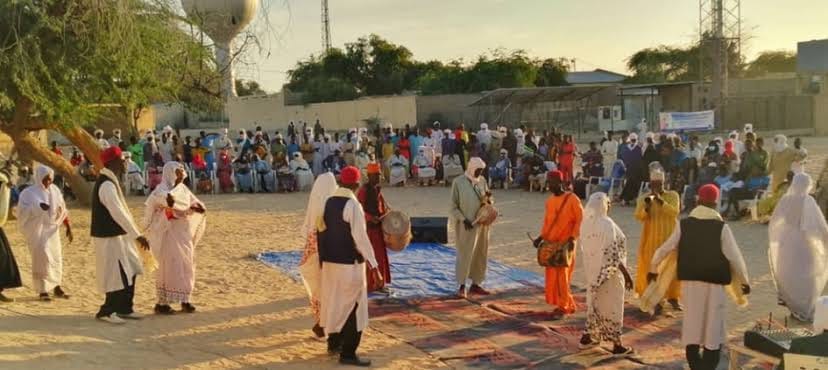
Mariages à N’Djamena : quand la culture soudanaise s’invite aux noces tchadiennes
Wedding celebrations in N’Djamena are increasingly incorporating Sudanese customs, sparking discussions about the preservation of Chadian cultural identity. Modern ceremonial elements are gradually supplanting long-standing local traditions, prompting questions about the future of indigenous practices.
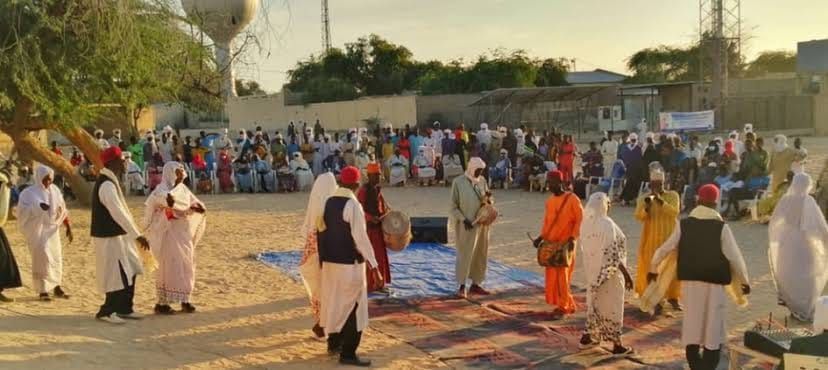
Wedding celebrations across Chad, especially within its capital N’Djamena, are undergoing a notable cultural evolution. Practices originating from Sudanese culture are increasingly prominent in these festivities, leading some observers to express concern over the potential decline of established Chadian matrimonial traditions.
Evolving matrimonial customs in N’Djamena
It is now common to see grooms at many weddings in N’Djamena receiving henna on their hands and feet, mirroring the bride’s adornment. The groom is often escorted in a procession to the bride’s home, where he carries her in his arms before guests, and then again upon their arrival at his own residence. A few days later, a separate ceremony takes place where he presents jewelry to his wife in the presence of both families. These spectacles, now frequent in N’Djamena, are widely recognized as popular Sudanese customs.
A stark contrast to traditional Chadian ceremonies
In contrast, traditional Chadian weddings historically placed a greater emphasis on the wisdom of elders, respect for families, and discretion. Following the dowry exchange, future spouses had minimal contact before their wedding day. On the day of the ceremony, the bride would depart her family home accompanied by her mothers and grandmothers, who would impart vital advice on patience, maintaining the household, forgiveness, and the responsibilities inherent in married life.
Approximately one week after the wedding, the young wife’s family would symbolically entrust her to the neighbors of her new home. They would request that the neighbors offer guidance when she erred and encouragement when she acted appropriately. This practice served to strengthen solidarity among families and within the community.
Shifting ceremonial dynamics and community concerns
The entertainment at these ceremonies has also transformed. Traditional storytellers (griots), drums, and ancestral songs that once narrated community histories are gradually being replaced by modern forms of entertainment. For many elders, this shift diminishes the transmission of cultural heritage to younger generations.
In numerous neighborhoods, it is now common to witness entire ceremonies organized according to codes inspired by Sudanese weddings, encompassing decorations, attire, henna sessions, music, and the staging of the newlyweds. For some guests, it has become challenging to discern between a Chadian wedding and a Sudanese one.
“In the past, a Chadian wedding served as a life lesson. Elders would speak, the young would listen, and everyone left with valuable insights. Today, the focus leans more towards spectacle than counsel,” recounted a respected elder encountered in Bololo.
Maman Azma, a mother and director of the Lamy Fortain association, also voiced her apprehension: “Our daughters are now familiar with ceremonies from elsewhere, yet many are unaware of the traditions their grandmothers once practiced. If we fail to transmit them, they will eventually fade away.”
Embracing change while preserving heritage
Conversely, a young newlywed offered a different perspective, asserting that cultural openness is a natural progression: “We adopt certain traditions because we find them beautiful. This does not imply we are rejecting our own culture. The crucial aspect is to uphold the core values of marriage.”
This ongoing evolution raises a significant question: how can Chadian cultural identity be preserved while remaining receptive to foreign influences? For several heritage specialists, the objective is not to reject other cultures, but rather to ensure that Chadian traditions continue to be passed down to new generations, preventing their eventual disappearance.
You may also like
Chad tackles gender-based violence with victim support mapping
Soaring cost of living in Niger: sociologist advocates market price tracking
Cocoa farmers in Cameroon seek better prospects amid challenges
Cotonou’s food safety revolution for port workers and vendors
Bamako’s organic markets thrive through local supply chains