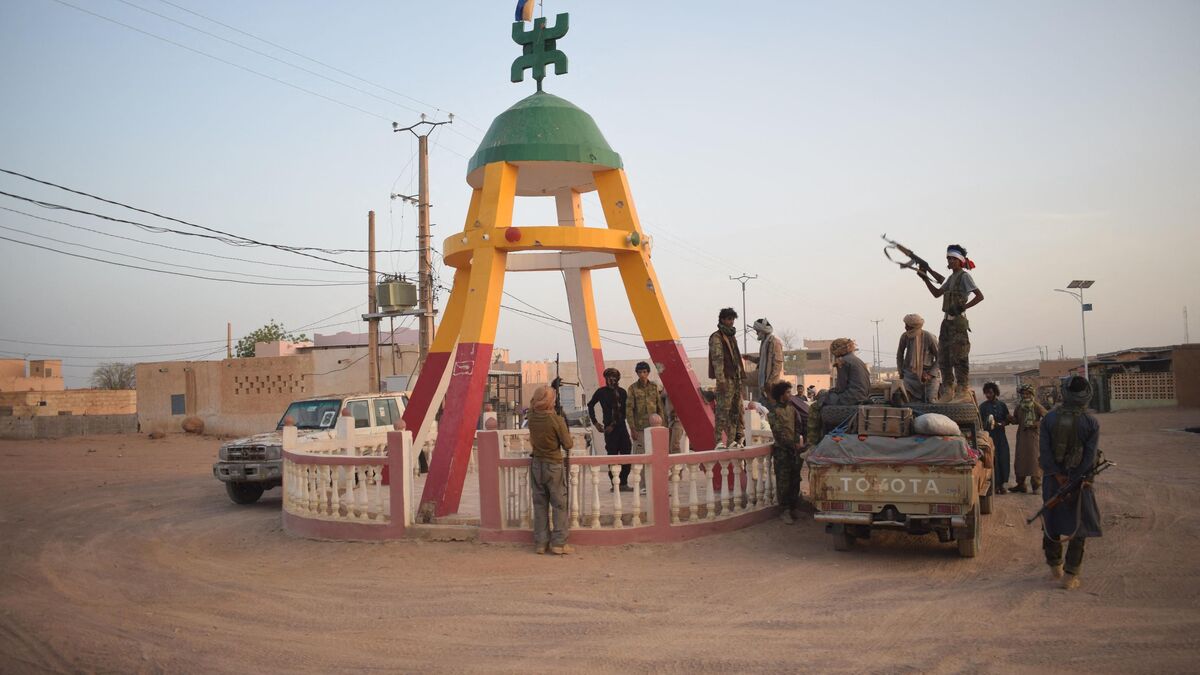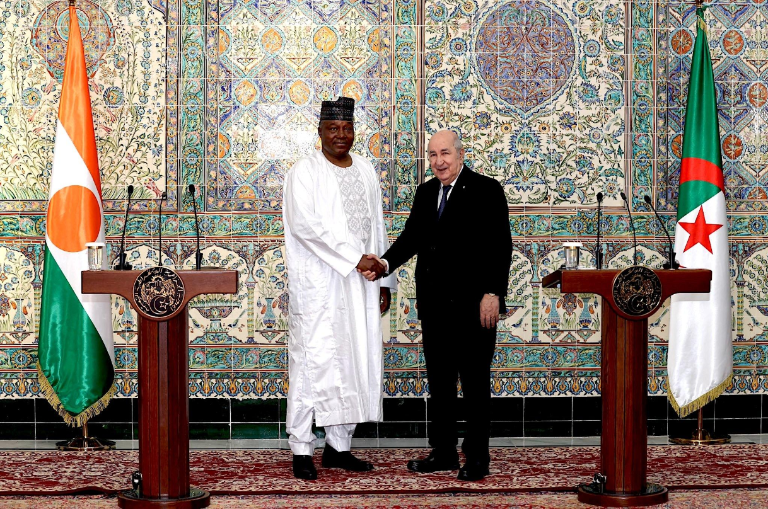
Diplomatic tensions between Niger and the European Union have escalated after Brussels questioned the deployment of Algerian troops on Nigerien soil. The move raises a critical question: does the EU have the authority to scrutinize sovereign military agreements, or does this cross a red line in international relations?
Why did Niger summon the EU’s chargé d’affaires?
On November 9, the European Union’s representative in Niamey was summoned to the office of Prime Minister Ali Mahamane Lamine Zeine following what Nigerien authorities described as “condescending and unacceptable” remarks. The EU’s concerns focused on the arrival of Algerian military personnel, seeking clarity on their mission, objectives, and legal framework.
The Nigerien government’s response highlights a deeper debate: when does diplomatic scrutiny become an infringement on sovereignty? According to international law, the EU has no legal authority to veto such agreements, but does it retain the right to question them?
Sovereignty vs. diplomatic expression: what does international law say?
The Charter of the United Nations (Article 2, paragraph 7) protects states from external interference in domestic matters. However, this does not absolve them from diplomatic scrutiny. Questioning a military partnership does not equate to an unlawful intervention—it is a legitimate exercise of international discourse.
For an act to qualify as illegal interference, it must involve coercive measures aimed at dictating another state’s sovereign decisions. Simply requesting transparency, as the EU did, does not meet this threshold. Instead, it reflects a standard practice in global diplomacy where allies and partners share concerns about regional stability.
Algeria-Niger military cooperation: a justified EU concern?
The Sahel remains a hotspot for security challenges, including cross-border threats, armed group movements, and fragile regional cooperation. Any large-scale military deployment involving multiple nations naturally draws international attention.
The EU’s inquiry—focusing on mission scope, command structure, and legal basis—was not an attempt to undermine Niger’s sovereignty but rather an expression of legitimate security concerns. After all, instability in the region does not respect national borders, and transparency can help prevent unintended escalations.
Diplomatic dialogue or escalation: finding a balanced approach
The manner in which concerns are communicated matters just as much as the concerns themselves. While the EU has the right to express its views, the tone and framing of its statements can shape diplomatic outcomes. Conversely, Niger’s decision to summon the EU envoy demonstrates its commitment to defending its sovereign choices—but it should not shut the door on constructive dialogue.
The key takeaway? Respecting sovereignty does not mean silencing external perspectives. Instead, it means engaging in open, respectful discussions where both parties can voice their concerns without resorting to provocative measures. Only then can diplomacy serve its purpose: fostering stability rather than deepening divides.
Can this tension be resolved without further escalation?
- Maintain open channels: Regular diplomatic exchanges can prevent misunderstandings from escalating into crises.
- Clarify intentions: Both sides should articulate their positions clearly to avoid misinterpretations.
- Prioritize transparency: Sharing relevant details about military deployments can build trust and ease concerns.