Mali’s shifting sands: Russia’s Africa Corps faces setbacks amid rebel advances
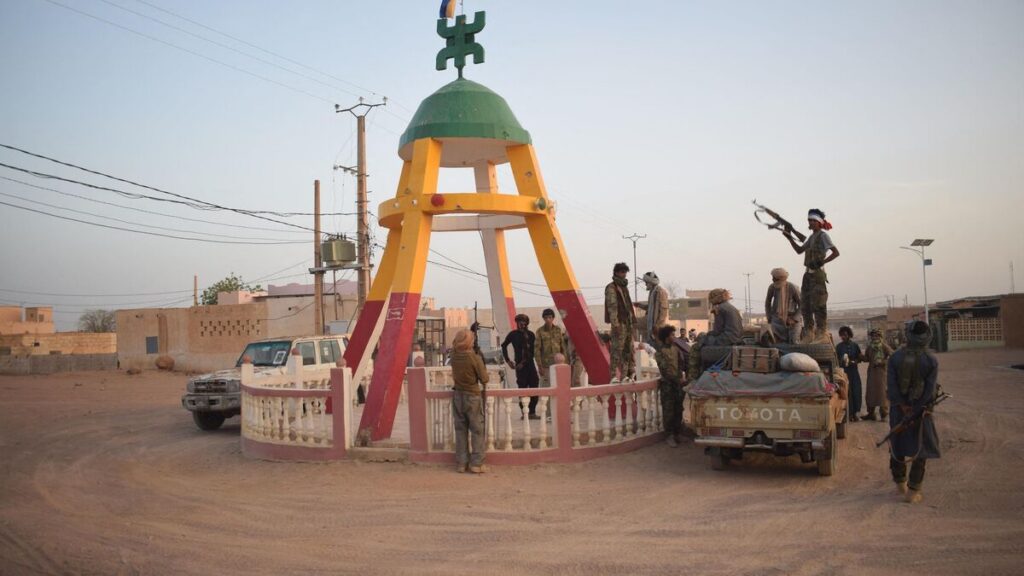
The rebel takeover of Kidal—a strategic stronghold once firmly controlled by Africa Corps—highlights the challenges facing Russia’s newest paramilitary force in West Africa.
A weekend of turmoil unfolded in Mali as jihadist factions, backed by Tuareg rebels, launched coordinated assaults on multiple strategic positions held by the ruling junta. The offensive spanned Bamako and key cities, leaving casualties in its wake.
In eastern Mali, rebels reclaimed Kidal—a critical stronghold long dominated by Africa Corps. After intense clashes and protracted negotiations, the Russian-backed paramilitary force withdrew, though its influence across the Sahel remains intact.
Africa Corps, one of Russia’s most covert military extensions abroad, has deepened its presence in Africa since its formation in late 2023. The group emerged following reports from military blogger Deux Majors on Telegram, citing statements by Igor Korotchenko, a former colonel and Kremlin-aligned journalist. The organization reportedly reports directly to Russia’s Deputy Defense Minister Iounous-bek Evkourov.
Its rise coincides with the decline of the Wagner Group, which had operated autonomously since 2014 to advance Russian interests globally, particularly in Africa. The deaths of Wagner’s founders—oligarch Evgueni Prigojine and former intelligence officer Dmitri Outkine—in a suspicious 2023 plane crash further destabilized the group’s operations.
A calculated shift in strategy
Unlike Wagner, known for its brutal tactics and war crimes, Africa Corps presents a more disciplined and centralized structure. Analysts describe it as a Kremlin-led initiative designed to absorb Wagner’s African operations and personnel. “Africa Corps is poised to replace Wagner, absorbing its assets and fighters in the region,” noted a Western intelligence source in 2023.
The group’s name draws from a historical echo: the Afrika Korps, a Nazi military unit active in North Africa during World War II. This deliberate naming choice underscores Moscow’s intent to project historical parallels while asserting dominance in the region.
Russia’s Sahel ambitions under scrutiny
Africa Corps’ stated mission is to conduct large-scale military operations across Africa, aiding governments in breaking free from neocolonial dependence, expelling Western influence, and securing full sovereignty. “The group will support nations seeking to reclaim control over their futures,” Korotchenko declared at the time of its inception.
While its footprint is less overtly violent than Wagner’s, Africa Corps has faced international condemnation. In 2024, the United Kingdom sanctioned the group for human rights abuses and exploitation of natural resources, alleging systematic violations across the continent.
Despite its setback in Kidal, Africa Corps maintains a strong foothold in Mali, where it deployed hundreds—if not thousands—of fighters in 2024. Many former Wagner commanders and their troops have since defected to the new organization, reinforcing its regional clout.
Moscow’s strategy extends beyond Mali. Africa Corps has established a presence in Burkina Faso, Libya, Sudan, the Central African Republic, and Niger, offering military support and equipment to allied governments. This expansion aligns with Russia’s broader goal of consolidating influence in West Africa, particularly as Western powers like France withdraw from the region.
For Africa Corps, the stakes are high. Beyond securing political alliances, the group aims to control migration routes and exploit mineral wealth, positioning Moscow as a dominant player in the Sahel’s future.
You may also like
-
Rennes Confirme sa Forme face au Club Bruges, Monaco S’est Incliné au Portugal Face au Sporting
-
Why Maïmouna Dièye’s Comments on Ousmane Sonko Spark Controversy in Sénégal
-
Senegal’s president delivers sharp message during party launch
-
Sonko rallies Pastef supporters in Bargny for membership drive
-
Ousmane Sonko mobilise les militants de Pastef à Bargny pour la vente des cartes