Is the crackdown on illegal gold mining in Guinea exposing the fractures in Burkina Faso’s economic strategy? A new wave of 1,412 arrests is bringing the human cost of regional disparities into sharp focus, raising tough questions about migration, sovereignty, and the real outcomes of economic policies.
The human exodus behind the Guinean gold rush
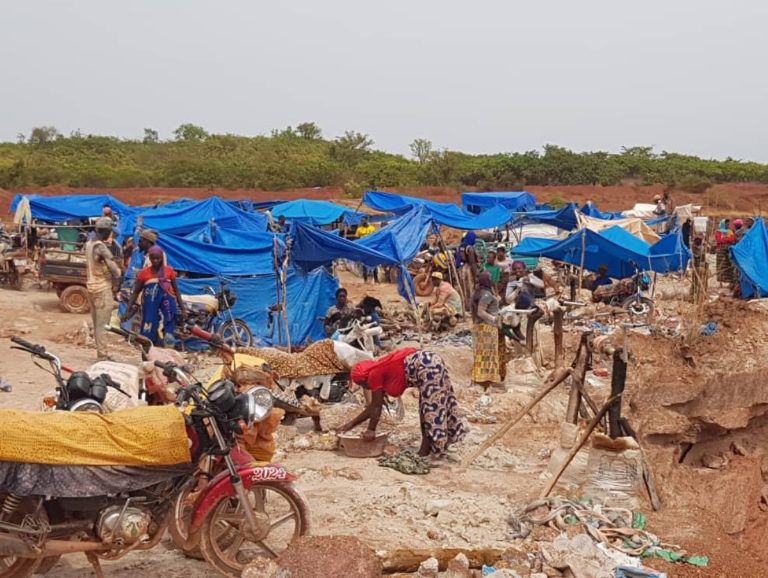
The recent mass arrests in Guinea’s illegal mining zones are more than a crackdown—they uncover a silent exodus. Workers from neighboring Burkina Faso, drawn by the promise of gold, now make up a significant portion of those detained. This phenomenon reveals a harsh truth: for many, the decision to risk everything in Guinea’s artisanal mines is a last resort in the face of economic despair at home.
Guinea’s gold-rich regions have become magnets for migrant laborers seeking incomes they cannot find elsewhere. Despite the dangers—exploitation, hazardous working conditions, and the constant threat of arrest—these individuals choose migration as the only viable path to survival.
Burkina Faso’s economic sovereignty in the balance
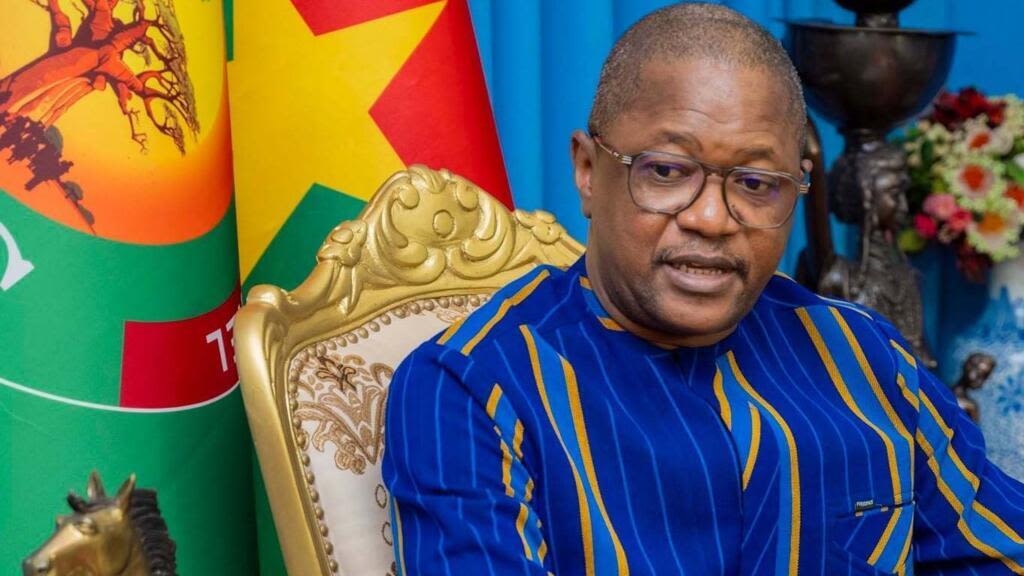
The surge of burkinabè miners in Guinea’s illegal mines puts Ibrahim Traoré’s government under scrutiny. Since taking power in 2022, Traoré has championed national sovereignty, emphasizing control over natural resources and economic independence. Yet, the presence of thousands of citizens working in neighboring mines challenges the tangible outcomes of these policies.
Gold reserves exist within Burkina Faso’s borders—so why are its people compelled to seek opportunities across the border? The answer lies not just in policy declarations but in their real-world impact. For rural communities facing drought, insecurity, and collapsing livelihoods, the Guinean gold fields represent a desperate gamble for stability.
From policy to reality: where do the promises fall short?
The disconnect between political rhetoric and lived experience is stark. While authorities emphasize nationalization and revenue maximization, rural Burkinabè grapple with unemployment, plummeting incomes, and limited access to basic services. This gap between ambition and reality fuels unregulated migration—a cycle that neither border crackdowns nor regulatory changes can easily break.
The mass arrests in Guinea should serve as a wake-up call, not merely another statistic in a long-running saga. They underscore the urgent need for economic strategies that deliver tangible benefits to those most at risk of falling through the cracks.
Guinea’s dilemma: repression or sustainable solutions?
Guinea’s response to illegal mining has focused on enforcement—closing down sites, prosecuting offenders, and restoring order. But these measures address only the symptoms, not the root causes. The environmental damage—deforestation, water contamination, and soil degradation—continues unchecked, and migrant workers, including burkinabè, are caught in the crossfire.
Without addressing the economic desperation that drives migration, new illegal sites will inevitably emerge. Guinea’s government faces a critical choice: will it prioritize punitive action alone, or will it adopt a balanced approach that combines regulation with development incentives for local and migrant workers alike?
The missing data: how many burkinabè are truly affected?
Of the 1,412 individuals arrested, the exact number of burkinabè remains unclear. Public statements offer no breakdown by nationality, leaving questions unanswered. Are these arrest figures a one-off incident or a recurring trend? The lack of transparency complicates efforts to assess the full scale of the migration crisis and its underlying economic drivers.
What is certain is that behind every arrest stands a person—often a breadwinner for a family—whose decision to mine illegally reflects systemic failures rather than personal choice.
Beyond arrests: rethinking regional economic resilience
This crisis is not confined to one country or one policy. It is a regional challenge that demands collective solutions. Burkina Faso must address gaps in employment, rural development, and resource distribution. Guinea, for its part, must balance enforcement with humanitarian considerations, ensuring that crackdowns do not strip migrant workers of dignity and safety.
The 1,412 arrests are more than a headline—they symbolize a regional economic imbalance with deep human consequences. The way both nations respond will determine whether this moment becomes a turning point or just another chapter in a prolonged struggle.
Ultimately, sovereignty is not measured in gold exports or policy speeches, but in the ability of citizens to thrive within their own borders—without being forced to risk their lives for survival in a foreign land.