As Mali grapples with shifting political sands and escalating humanitarian needs, Bamako has become the epicenter of a critical debate: can international aid still break through the barriers of national sovereignty to reach 5.1 million people in desperate need by 2026?
How a UN delegation’s arrival could redefine Mali’s humanitarian future
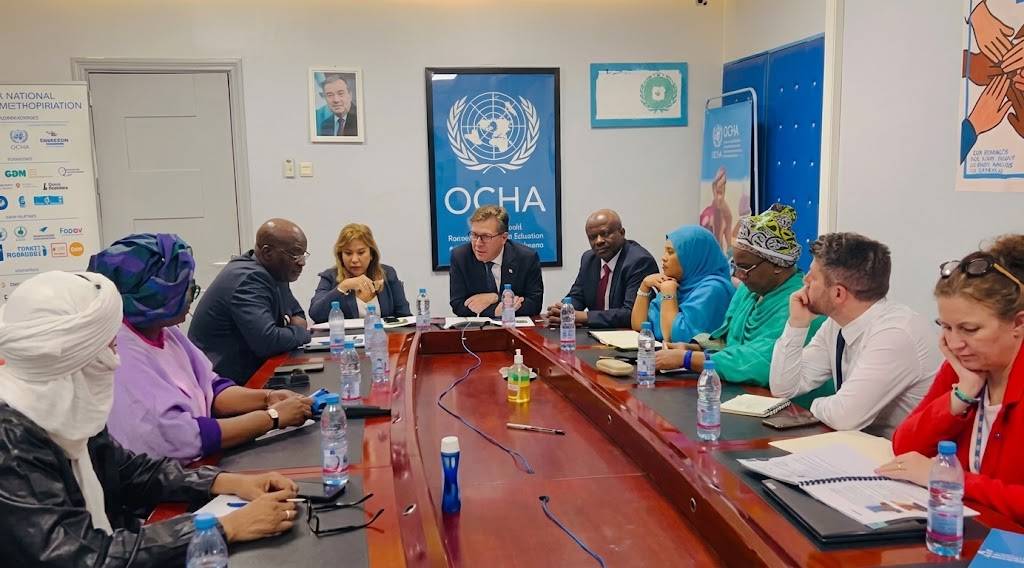
The United Nations’ high-level delegation led by Tom Fletcher, the UN Assistant Secretary-General for Humanitarian Affairs and Emergency Relief Coordinator, touched down in Bamako this week. The visit follows a period of strained relations between Mali’s transitional authorities and multiple international aid organizations, some of which have suspended operations or withdrawn entirely.
With 5.1 million people—including 3.8 million prioritized in the 2026 Humanitarian Response Plan—facing acute food insecurity, healthcare deficits, and lack of access to clean water and sanitation, the stakes could not be higher. The question now looms: in a climate of growing nationalism, is this UN mission a turning point—or just another fleeting diplomatic gesture?
Beyond the politics: the silent crisis affecting millions
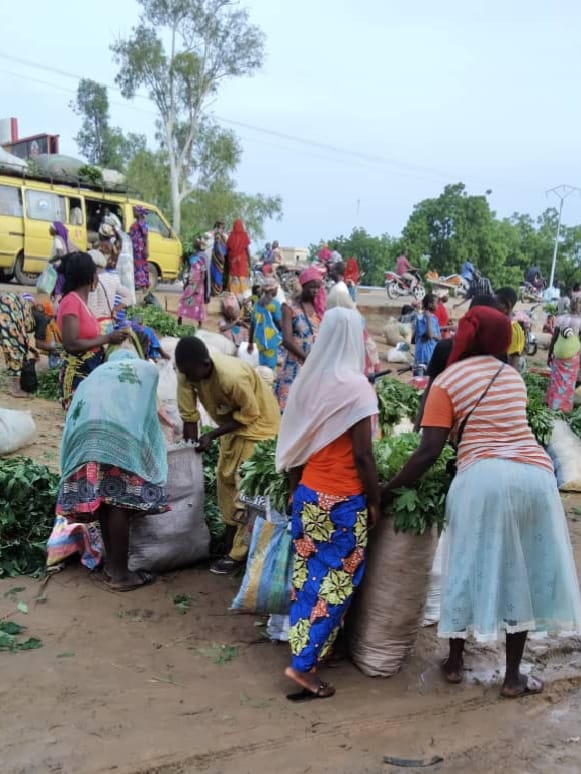
The figures tell a stark story. Over five million Malians—nearly one in five people—are now reliant on humanitarian assistance. Among them are displaced families, rural communities cut off by conflict, and urban households pushed to the brink by economic instability.
Food insecurity remains the most pressing concern, with rising prices and disrupted supply chains deepening vulnerability. Healthcare access is compromised as clinics face shortages of staff, medicine, and equipment. Clean water and sanitation systems remain under severe strain, particularly in areas hit by flooding and resource scarcity.
The gap between those in need and those receiving aid is widening. While 3.8 million are slated for support under the 2026 plan, the remaining 1.3 million represent a growing cohort of unmet need—populations slipping through the cracks of the current humanitarian framework.
Sovereignty vs. survival: can the UN bridge the divide?
Mali’s transitional government has repeatedly emphasized national sovereignty, framing external aid as a challenge to its authority. Actions such as restricting NGO access or reworking operational mandates have reshaped the humanitarian landscape.
Yet, the UN’s arrival signals a cautious re-engagement. Unlike other international bodies, the UN maintains a dual role: as a humanitarian actor and as a dialogue partner with host governments. This subtlety may offer a pathway through the diplomatic impasse.
But for the millions in need, the focus remains simple: delivery. The UN mission must rapidly assess operational feasibility, secure safe access, and mobilize resources—without being hamstrung by political conditions.
What’s at stake in 2026—and what must happen next
The clock is ticking. By 2026, 5.1 million lives hang in the balance. Success depends not only on access and funding but on genuine cooperation between Mali’s authorities and international partners.
Key priorities include:
- Unobstructed access: Ensuring humanitarian workers can operate safely and without political interference.
- Scaled funding: Mobilizing donor support to meet the full needs outlined in the 2026 Humanitarian Response Plan.
- Local integration: Building trust with communities and local leaders to improve long-term resilience.
- Coordination clarity: Defining roles between UN agencies, NGOs, and government bodies to avoid duplication and gaps.
The UN’s Bamako mission arrives at a pivotal moment—not just for Mali, but for the future of humanitarian aid in a world where sovereignty and survival are increasingly at odds. The outcome will determine whether humanity prevails over politics—or whether 5.1 million voices remain unheard.