N’Djamena’s fight against urban disorder: a battle rooted in poverty
N’Djamena’s crackdown on urban disorder highlights a harsh reality: tackling systemic poverty is essential to prevent ineffective, short-lived repression.
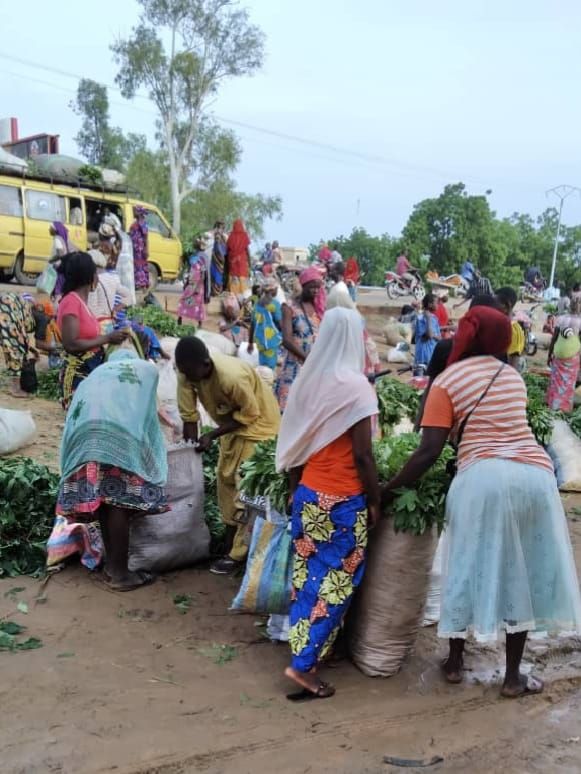
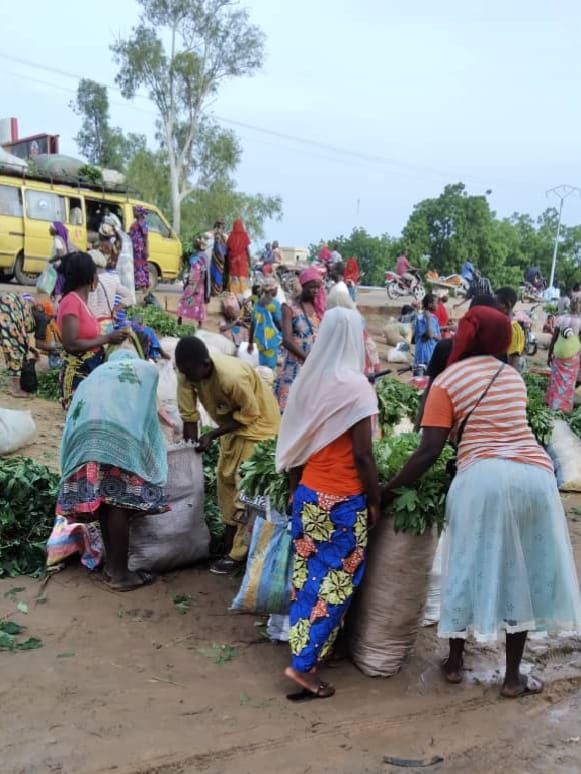
City officials in N’Djamena have made their stance clear: zero tolerance for urban disorder. From illegal street vendors crowding public roads to visible poverty and occasional misconduct among security personnel, the capital is entering a phase of strict regulation aimed at restoring order and modernizing the urban landscape.
On the surface, the goal is commendable. No city can thrive amid perpetual chaos, and the demand for an organized urban environment is entirely justified. Yet the core question lingers: can disorder truly be eradicated without addressing its root causes?
Beneath the surface of these much-criticized scenes lies a far deeper issue: poverty. In N’Djamena, as in many African capitals, the streets are not merely spaces of rule-breaking. For countless residents, they serve as a lifeline. Informal vendors, beggars, and unemployed youth don’t occupy public spaces out of defiance but out of necessity.
In this setting, relying solely on punitive measures risks only relocating the problem rather than solving it. Clearing streets of informal vendors without providing economic alternatives or tightening controls without offering social support merely treats the symptoms while ignoring the cause.
The challenge extends beyond security or aesthetics. It is fundamentally social, economic, and political. A truly modern city isn’t built through sweeping urban cleanups or public discipline campaigns alone. It is forged through job creation, formalizing the informal sector, expanding employment opportunities, and addressing the needs of the most vulnerable.
Zero tolerance may create the illusion of order, but an order enforced without inclusion is fragile and short-lived. Until structural poverty persists, the streets will remain a refuge for survival.
The real question may not be how to eliminate urban disorder, but rather how to transform the social conditions that make it inevitable.
This is the complex challenge N’Djamena now faces—not through repression alone, but through comprehensive, inclusive solutions.