
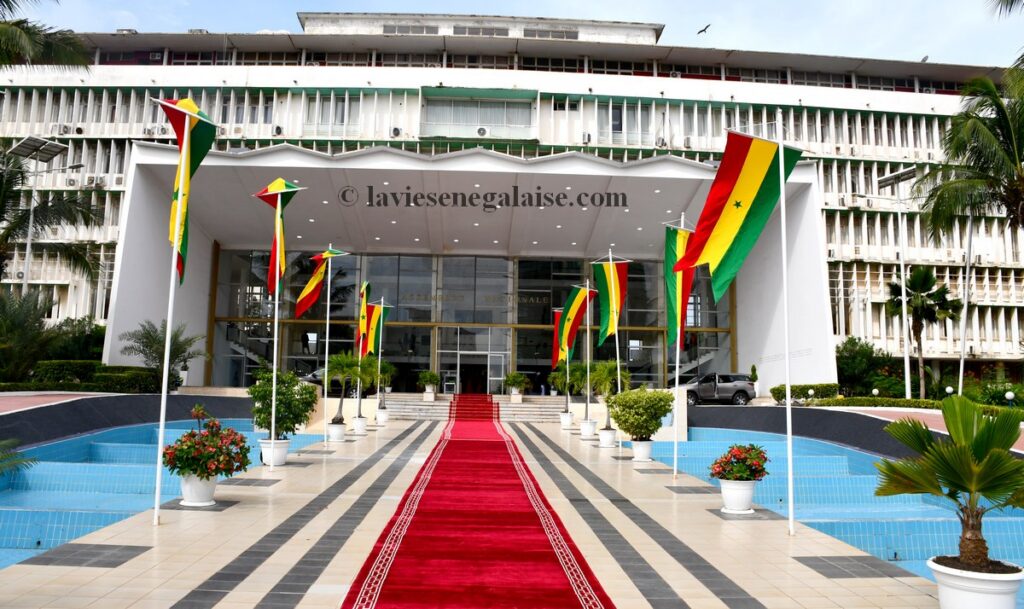
In a tense parliamentary session, Ousmane Sonko found himself under sharp scrutiny as deputies pressed him on pressing national issues. The opposition leader, known for his outspoken criticism of government policies, was subjected to direct questioning that probed deep into policy decisions and governance challenges facing the country.
The session unfolded as Sonko, a prominent political figure, navigated through a series of pointed inquiries from lawmakers. Each question aimed to dissect his stance on critical matters, from economic policies to security concerns, reflecting the heightened political climate in Senegal.
Sonko’s responses were closely watched, as his political trajectory continues to shape national discourse. Observers noted the intensity of the exchange, highlighting the growing polarization between legislative bodies and opposition voices in the political arena.
Key issues under the spotlight
The parliamentary session covered a range of pressing topics, including:
- Economic policies: Questions revolved around inflation, market stability, and measures to support struggling households.
- Government accountability: Deputies sought clarity on fiscal transparency and the management of public resources.
- Social concerns: Debates touched on rising living costs and the government’s response to public grievances.
- Legislative priorities: The session also examined the alignment of government actions with parliamentary expectations.
A moment of political reckoning
The exchange underscored the evolving dynamics in Senegal’s political landscape, where lawmakers are increasingly assertive in holding the executive branch accountable. Sonko’s presence in the session symbolized the persistent tension between opposition forces and the ruling establishment, a recurring theme in the country’s governance narrative.
As the session concluded, the outcomes of these tough exchanges remained a subject of speculation, with implications for both Sonko’s political future and the broader trajectory of Senegal’s democratic processes.
You may also like
Le carnet de Malian relance l’enquête sur la migration clandestine au Sénégal
Mamadi Doumbouya de retour à Conakry après une visite d’État en Côte d’Ivoire
Elversberg vs Bayern Munich: kick-off time, tv channel and team news
Gabon : l’association Force ouvre un espace de propositions pour la rentrée
Dakar 2026 : Diomaye Faye confie la flamme olympique à la jeunesse sénégalaise