Senegal’s political evolution and geopolitical challenges
This week’s analysis dives into Senegal’s evolving political landscape and the escalating tensions in the Middle East, alongside the implications for the 2026 World Cup.
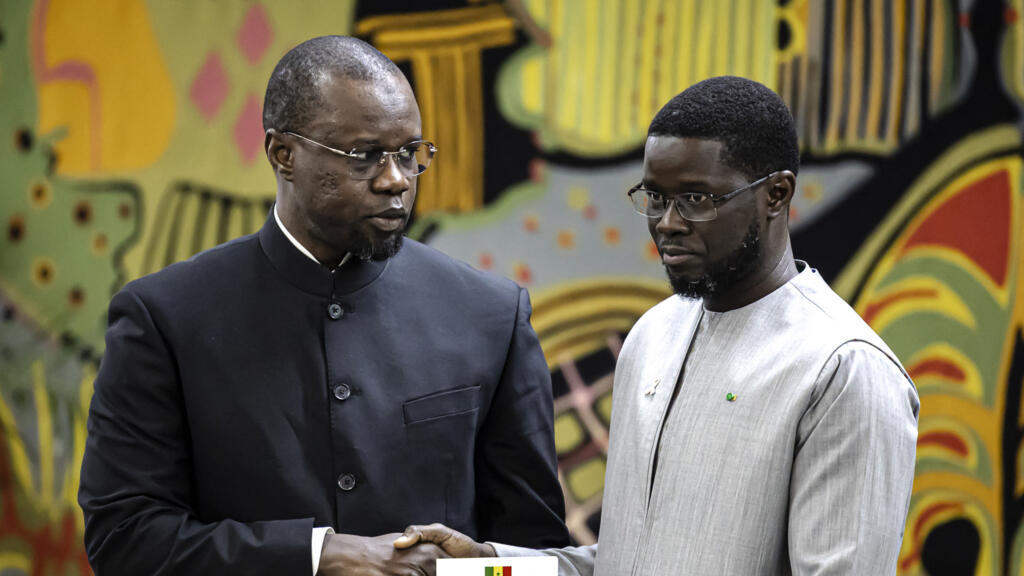
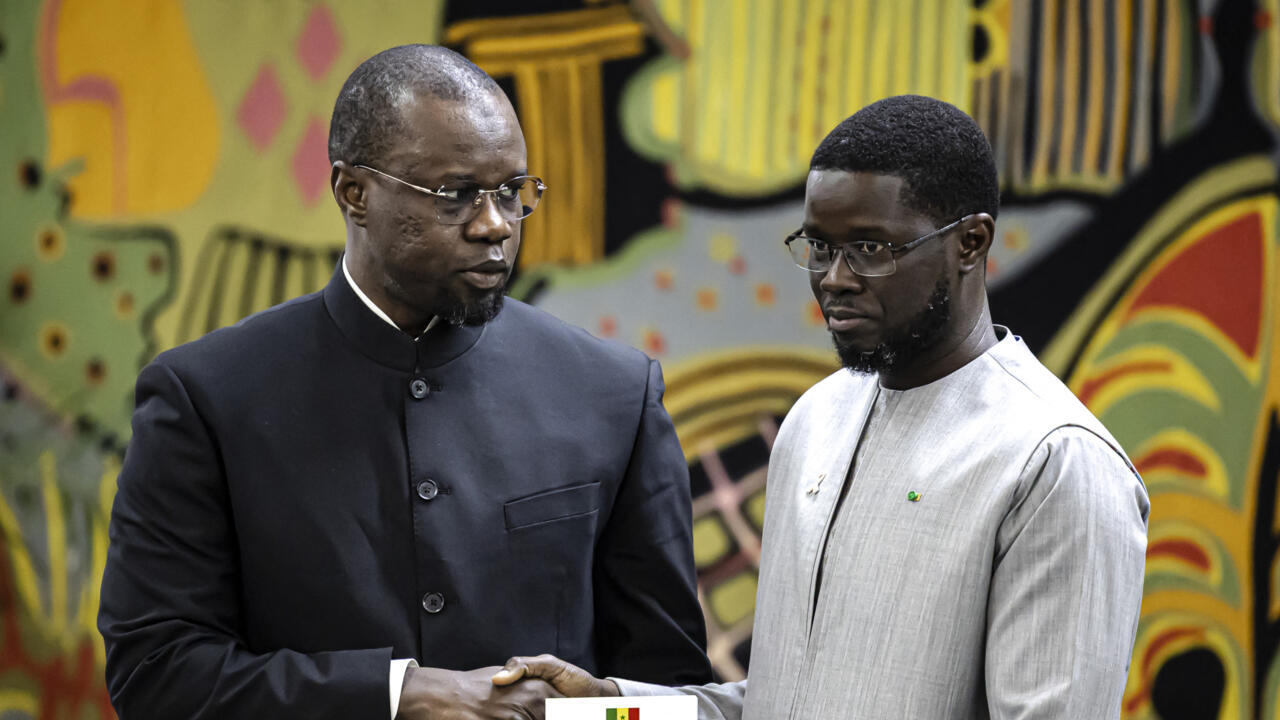
In Senegal, President Bassirou Diomaye Faye’s administration faces a critical juncture. The recent establishment of a ruling party and the constitutional council’s rejection of key reforms proposed by Prime Minister Ousmane Sonko’s Pastef coalition have set the stage for intense political negotiations. Will these strategic moves secure public support and bridge divides with the opposition?
Meanwhile, the Middle East remains a powder keg. Fresh rounds of airstrikes and retaliations have prompted a sharp response from U.S. President Trump, who declared the ceasefire “over” and dismissed negotiations with Tehran as futile. With tensions threatening to spiral further, the region stands on the brink of renewed conflict.
The weekly program examines these pressing issues, featuring insights from leading African commentators:
- Wuldath Mama, Beninese journalist and international affairs expert
- Eric Topona, Chadian journalist with Deutsche Welle’s Francophone Africa desk
- François Hiondi Nkam, veteran reporter and Economics Editor at Cameroon’s Le Jour newspaper