Sénégal, Middle East tensions and FIFA World Cup 2026
This week’s agenda covers critical developments: the establishment of a new presidential party following the constitutional reform blockage by Senegal’s Constitutional Council, and escalating geopolitical tensions in the Middle East that could reshape global dynamics ahead of the 2026 FIFA World Cup.
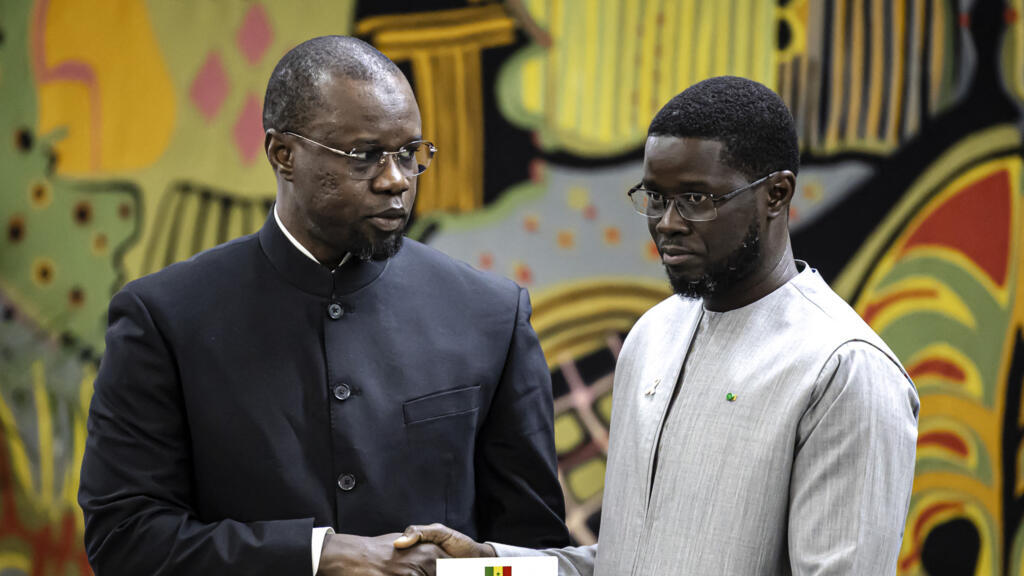
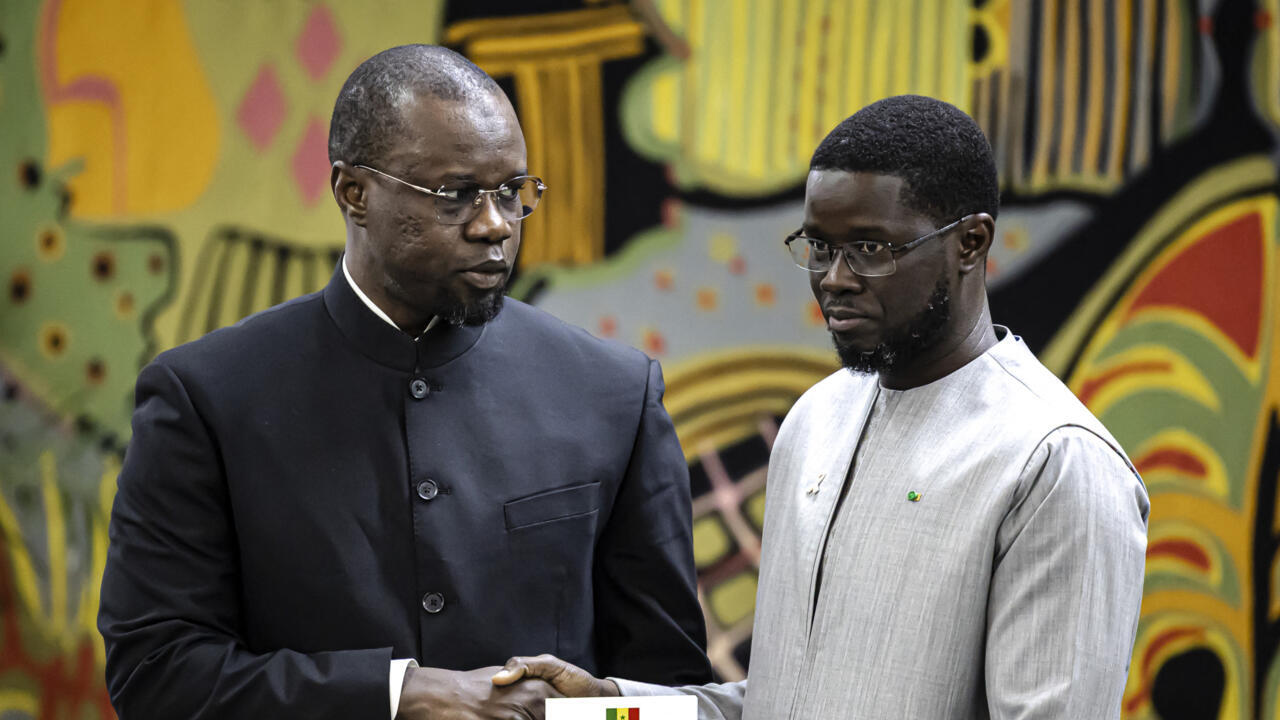
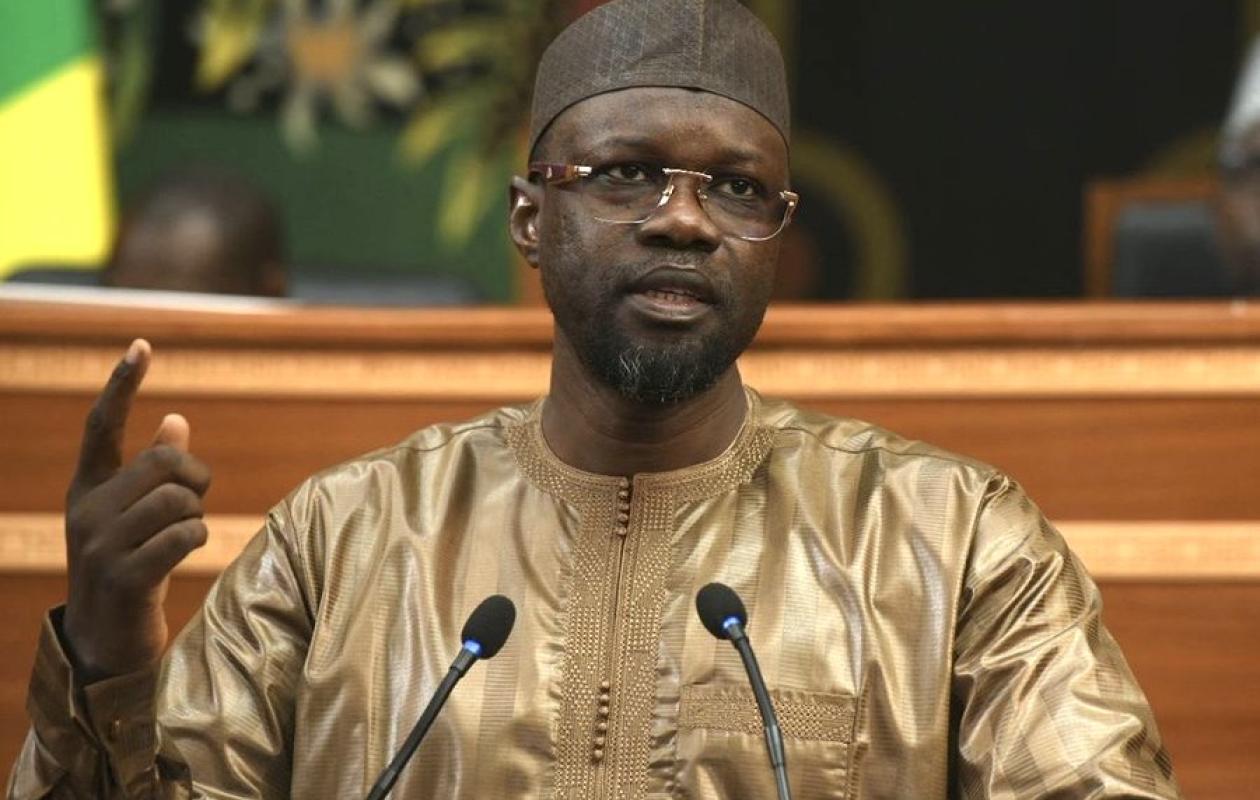
Senegal’s political landscape is undergoing significant shifts as President Bassirou Diomaye Faye advances his agenda following a critical setback for his party. The Constitutional Council’s decision to invalidate the constitutional reform passed by the National Assembly’s majority led by Ousmane Sonko has set the stage for a new phase in governance. Will this strategic move succeed in bridging divides with the opposition and winning over public opinion?
Middle East tensions: a looming regional crisis?
The Middle East remains a powder keg as fresh rounds of strikes and counter-strikes intensify. The latest escalation follows Washington’s declaration that the fragile ceasefire is effectively “over”, with President Donald Trump dismissing negotiations with Tehran as futile. His warning of imminent military action raises fears of a broader conflict that could destabilize global energy markets and security frameworks.
African perspectives on global and regional events
Each week, prominent African journalists dissect the continent’s most pressing issues alongside international developments. This week’s panel brings together:
- Wuldath Mama – Beninese journalist specializing in international affairs
- Eric Topona – Chadian journalist with Deutsche Welle’s Francophone Africa desk
- François Hiondi Nkam – Senior reporter and Economy Editor for Le Jour, a leading Cameroonian daily
Together, they analyze the implications of these geopolitical tremors for Africa and beyond, offering insights into how Senegal and other nations can navigate an increasingly volatile world.