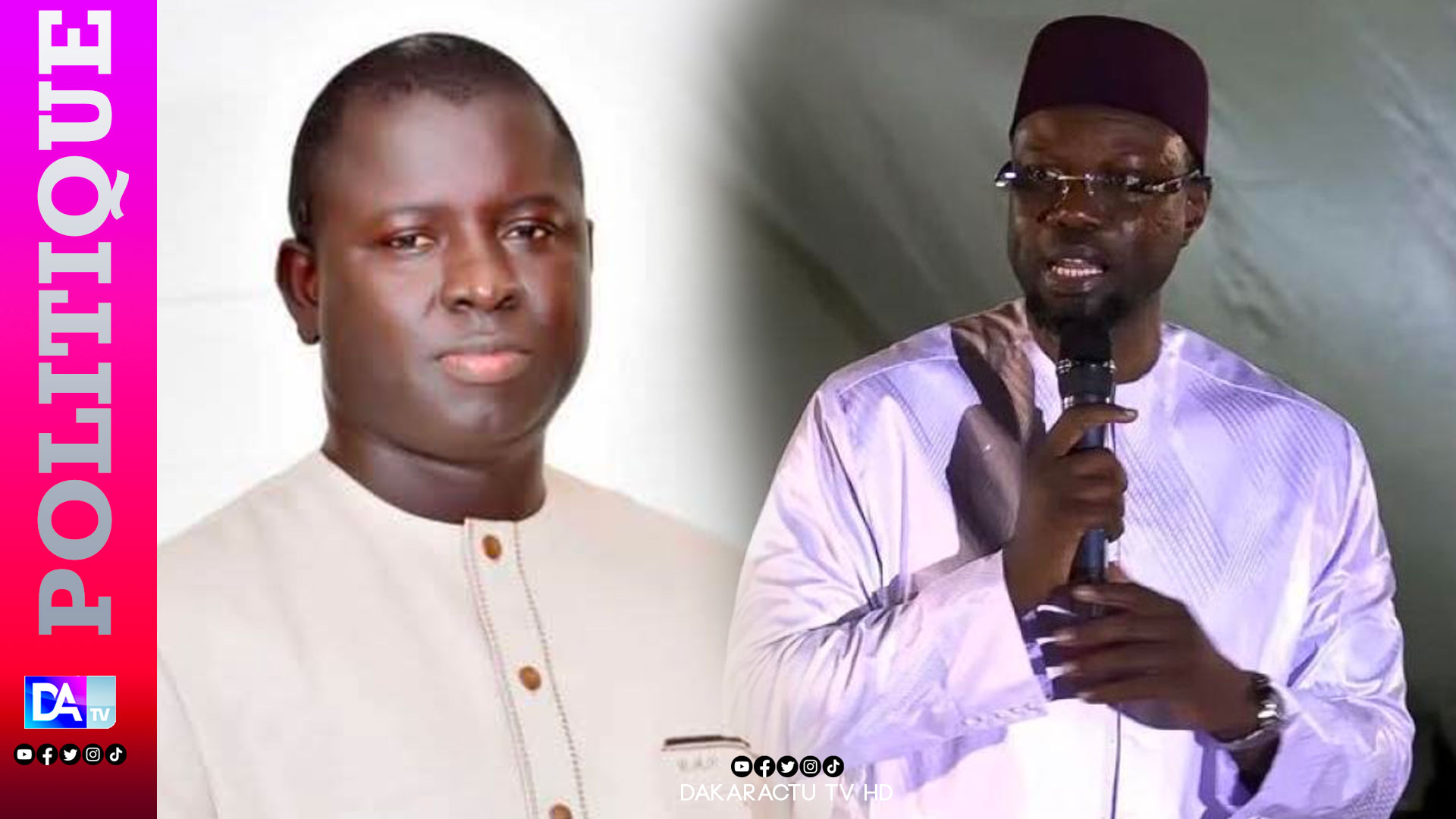
Senegal finds itself at a pivotal moment in its political landscape, one that tests the bonds between two prominent figures who once stood united in their opposition to the previous regime. Since Bassirou Diomaye Faye assumed the presidency alongside Ousmane Sonko in March 2024, the dynamics between the head of state and the historical leader of their party have begun to shift, revealing growing fractures.
This evolving relationship unfolds against a backdrop of high political stakes. In 2024, Ousmane Sonko was barred from running in the presidential election due to unresolved legal challenges. His strategic choice to back Bassirou Diomaye Faye—who was also detained at the time—proved pivotal. The pair’s eventual victory was widely seen as both the culmination of years of political resistance against the administration of former president Macky Sall and the dawn of a new chapter for Senegal.
From opposition to governance: shifting alliances
Power transitions often reshape the alliances forged in opposition. More than a year into their administration, the once-solid partnership between Faye and Sonko appears to be entering uncharted territory. Recent remarks from Sonko, including pointed critiques and revelations about the political agreements that may have facilitated their rise to power, signal a clear bid to reclaim political momentum.
Government formation signals a turning point
With the imminent announcement of Prime Minister Al Aminou Lo’s new cabinet, Sonko declared that no members of the Pastef party would be included in the government. This decision represents a symbolic break from the governance model established after their 2024 triumph and suggests a growing separation between state institutions and the party apparatus.
Legitimacy in question: two pillars of power
The current tensions highlight a fundamental question: where does legitimate authority reside? President Bassirou Diomaye Faye derives his mandate from universal suffrage and the functioning of Senegal’s democratic institutions. Meanwhile, Ousmane Sonko remains, in the eyes of many supporters, the principal architect of the Pastef’s electoral victory and the driving force behind its organizational growth.
The weight of history: precedents in African governance
This duality is not without precedent in African politics. Multiple movements that have reached power have grappled with internal tensions between those holding electoral legitimacy and those wielding party authority. When these centers of power clash, the risks of institutional paralysis and political fragmentation escalate significantly.
Looking ahead: stability or fracture?
While it may be too early to speak of an irreparable split, the escalation of tensions and the hardening of rhetoric suggest that a realignment of power is underway. The two leaders still share a common electoral base and a political vision that remains broadly supported by their followers. Yet, the growing discord raises pressing questions about Senegal’s ability to maintain institutional stability while advancing the economic and social reforms promised to its citizens.
As a nation long regarded as a democratic model in West Africa, the evolving relationship between Faye and Sonko could have lasting implications—not only for the future of the Pastef but for the broader political equilibrium of the country. The coming months will reveal whether this tension leads to strategic reconciliation, a contentious cohabitation, or an open political rupture between the two architects of Senegal’s 2024 political shift.