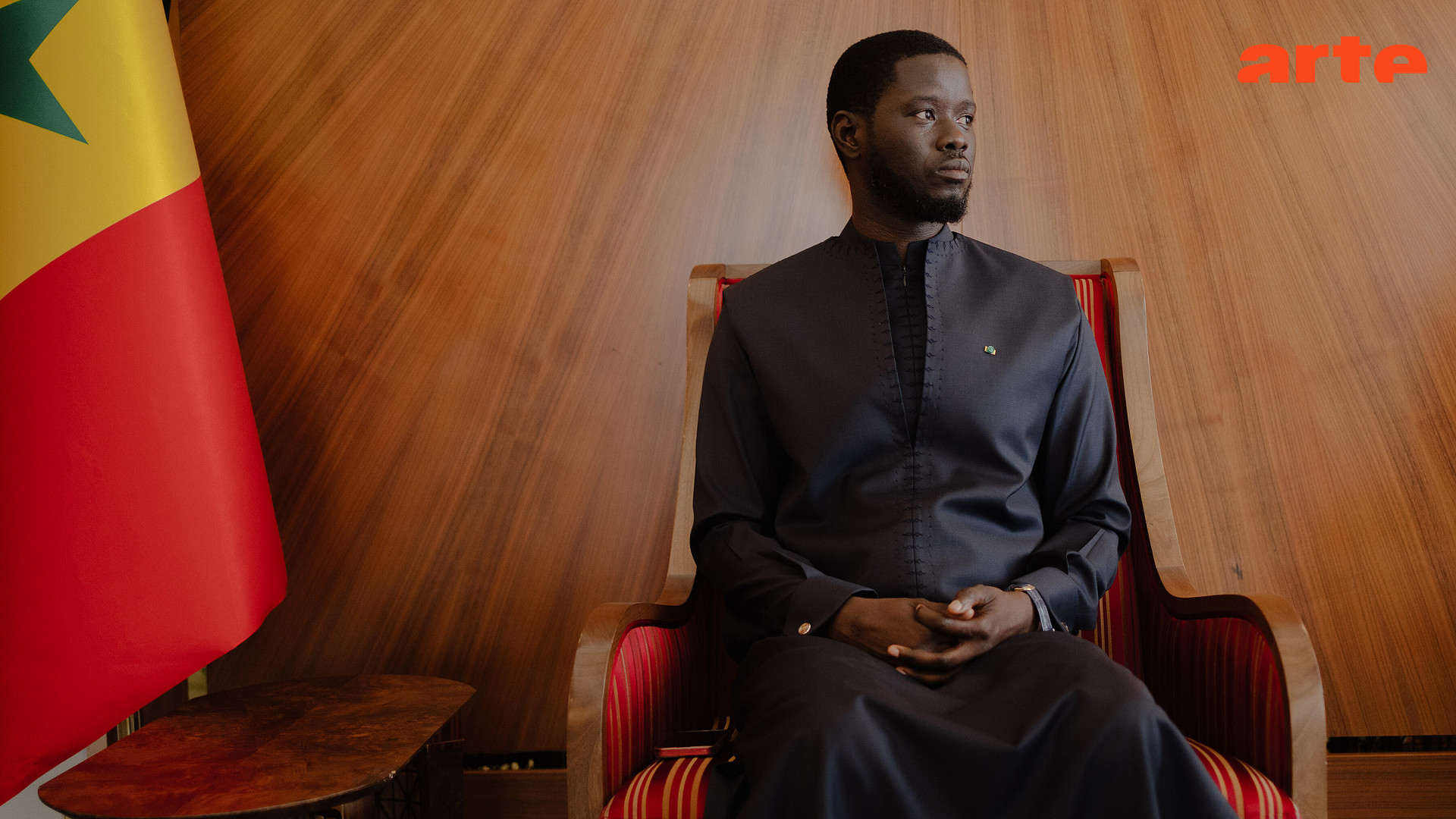
In recent days, Senegal has found itself at the center of intense political upheaval. On May 22, 2026, President Bassirou Diomaye Faye made the unexpected decision to dismiss his prime minister, Ousmane Sonko, who had been his political ally during the election campaign. Less than a week later, Sonko was elected as Speaker of the National Assembly, a move that has further fueled tensions within the country’s leadership.
Beyond these high-profile changes, Senegal has also taken a controversial step this March by passing a law that significantly tightens penalties for homosexuality. The legislation has sparked widespread debate and raised concerns about human rights and social cohesion in the West African nation.
Senegal now faces a critical juncture, with questions swirling about the stability of its institutions and the direction of its future. The combination of political shifts and divisive social policies has left many wondering whether the country is on the brink of deeper turmoil.
political upheaval shakes Senegal’s foundations
The removal of Ousmane Sonko as prime minister came as a shock to many observers. Sonko, a prominent figure in Senegal‘s political landscape, had been a key ally of President Faye. His dismissal has raised eyebrows about the motivations behind the decision and the potential consequences for the government’s cohesion. Less than a week after his removal, Sonko’s election as Speaker of the National Assembly has added another layer of complexity to the situation, suggesting a possible power struggle within the ruling party.
These developments have left Senegal’s political elite scrambling to understand the implications. Analysts are divided over whether this is a strategic move by President Faye to consolidate power or an indication of growing fractures within the government. The uncertainty has left citizens and international observers alike questioning the long-term stability of the country.
controversial law sparks human rights concerns
In addition to the political turmoil, Senegal has recently implemented a law that imposes harsher penalties for homosexuality. The legislation, which was passed in March 2026, has drawn sharp criticism from human rights organizations and international bodies. Critics argue that the law violates fundamental human rights and undermines social progress in the country.
The law’s passage has ignited protests and debates across Senegal, with many citizens expressing concerns about the potential for increased discrimination and persecution. The government has defended the legislation as necessary for upholding traditional values, but opponents warn that it could further polarize society and damage Senegal’s reputation on the global stage.
what’s next for Senegal?
As Senegal grapples with these challenges, the country stands at a crossroads. The combination of political instability and contentious social policies has created an environment of uncertainty. Whether these developments will lead to deeper chaos or a newfound sense of resilience remains to be seen.
The coming weeks and months will be crucial in determining the direction of Senegal’s political and social landscape. For now, the nation watches closely as its leaders navigate these turbulent times.