Military crackdown on dissent raises alarm in Burkina Faso
The arrest of influential Sunni cleric Imam Mohamed Ishaq Kindo on the eve of Eid al-Adha has intensified concerns about shrinking civic freedoms in Burkina Faso. Witnesses report the cleric was taken into custody by masked police and military officers around 2 PM on May 26, sparking immediate backlash from worshippers who attempted to intervene. Clashes erupted, leaving several injured.
The controversy stems from a proposed religious freedoms bill that has drawn fierce opposition. The legislation aims to reinforce state secularism, regulate public worship spaces, and curb extremist influences—measures that many Muslim associations argue threaten religious liberties. Tensions peaked earlier this week when an audio message from Imam Kindo circulated online, urging authorities to “reconsider the consequences of their actions” before proceeding with contentious measures.
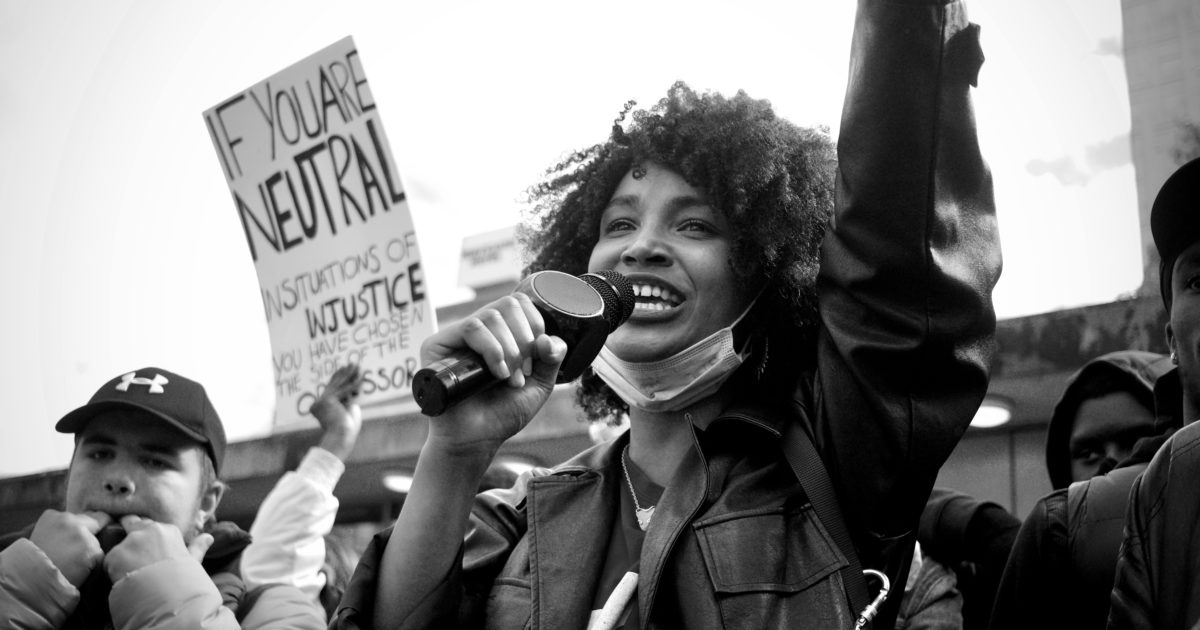
Protests erupted in Ouagadougou hours after his detention, only to be dispersed with tear gas. This incident follows the mid-March disappearance of Imam Mahmoud Barro, who had similarly criticized the bill. The pattern suggests an escalating campaign to silence dissenting voices in the country.
Another escalation came with the suspension of the General Union of Burkinabè Students (Ugeb) on accusations of “terrorist propaganda” for three months, renewable. The union had published a statement decrying the government’s “clear inability” to address rising insecurity and broken security promises.
Human rights groups condemn repressive measures
Human Rights Watch emphasized Ugeb’s longstanding role since 1960 in advocating for student welfare and broader social justice causes, calling it “a vital voice in struggles for transparency and justice”. A Burkinabè legal expert in exile told HRW that the case reflects how judicial institutions are “increasingly aligned with the military junta’s political and security agenda”.
The rights group has called for the immediate reversal of sanctions against Ugeb and an end to the suppression of independent voices, warning that “silencing students will not resolve Burkina Faso’s deepening security and governance crisis, particularly the surge in Islamist insurgent attacks”.
Last month, the International Federation for Human Rights (FIDH) had urged Burkinabè authorities to “uphold fundamental rights and freedoms for all”, but these pleas appear to have gone unheeded. Instead, fear is seeping into daily life. Journalists report growing difficulty in securing interviews as sources withdraw out of fear, though resistance persists quietly on social media and in private conversations.