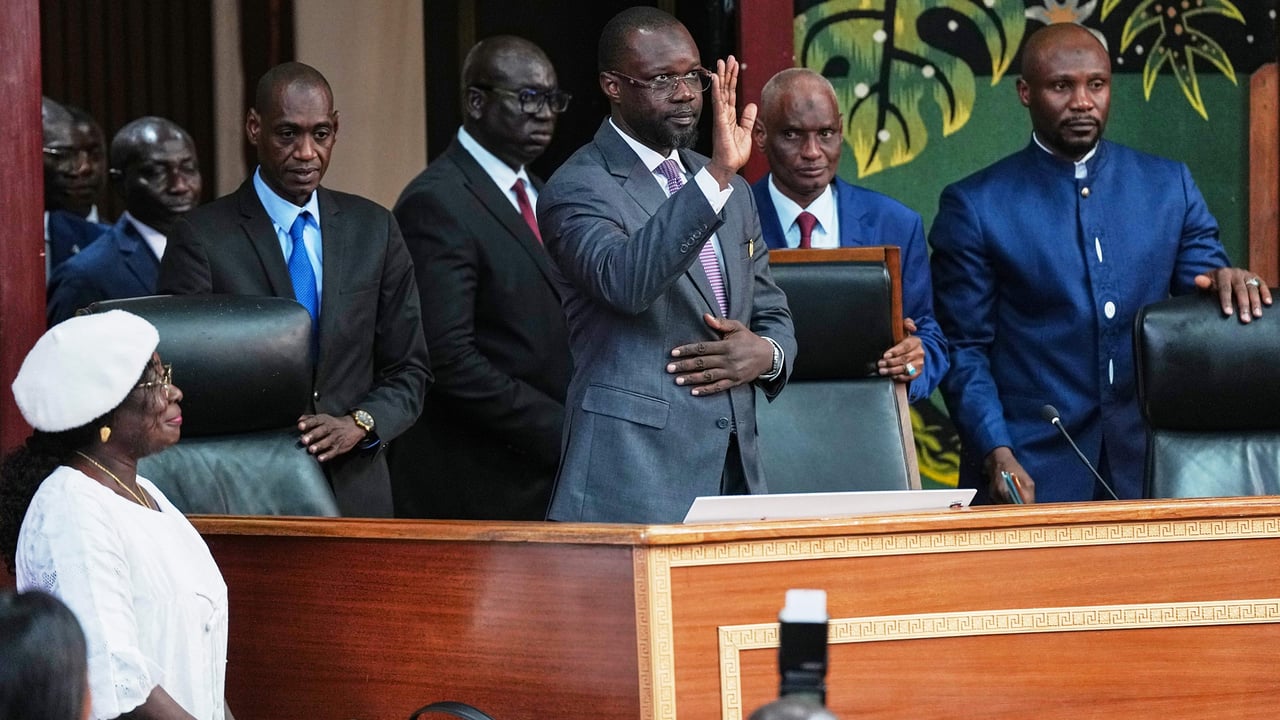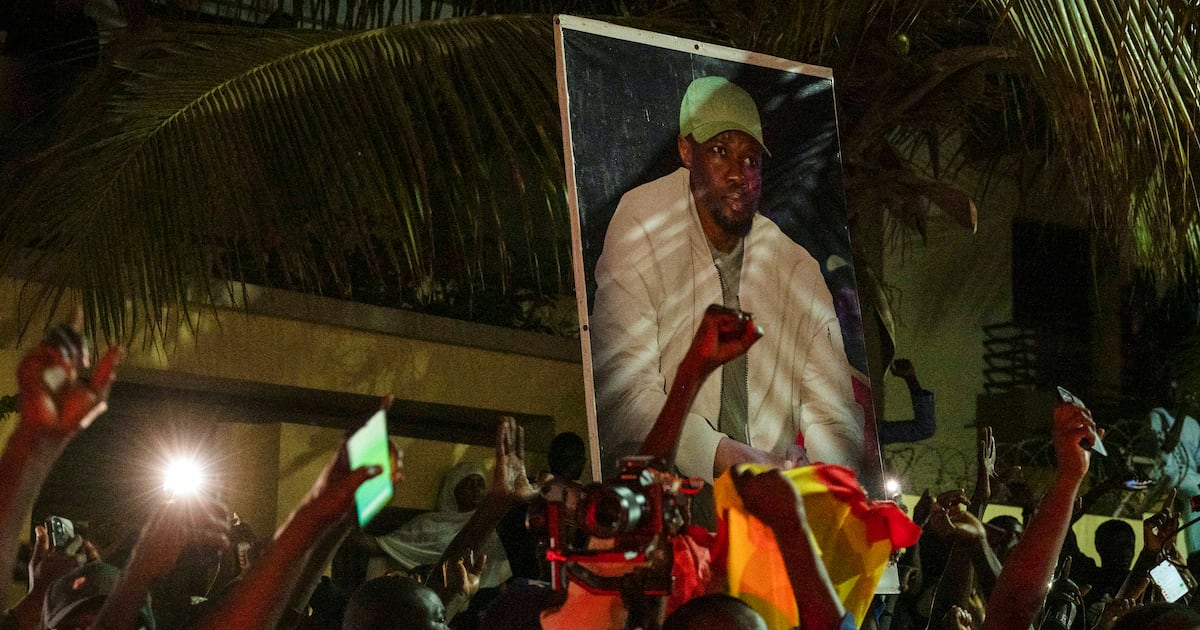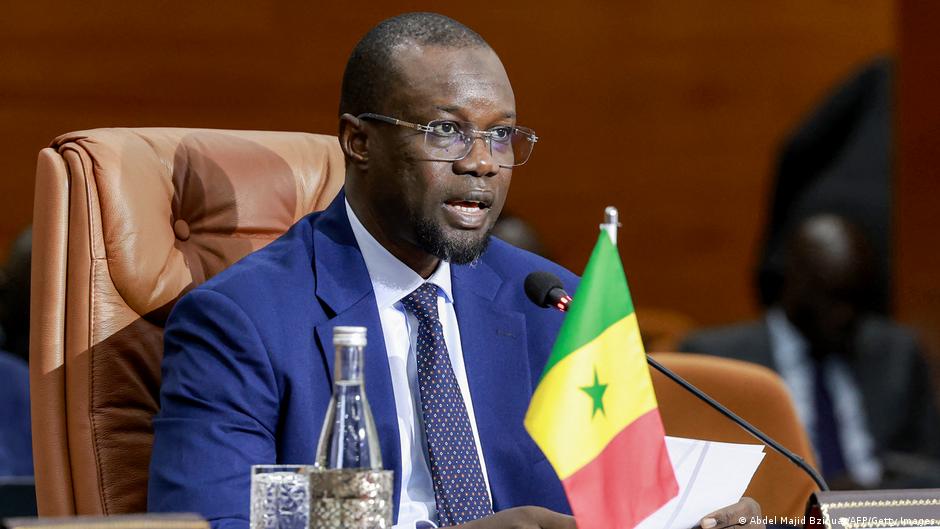
The climate of political tension between Bassirou Diomaye Faye, Senegal’s President, and Ousmane Sonko, the newly elected Speaker of the National Assembly, is casting a shadow over the nation’s democratic discourse. Civil society leaders and journalists have raised alarms about the growing atmosphere of intimidation that now permeates public debate in the country.
Critics of Ousmane Sonko often face aggressive smear campaigns on social media, orchestrated by the most vocal members of his party, Pastef. These coordinated online attacks have created a climate of fear, prompting many to self-censor rather than risk digital or physical reprisals.
Soon after taking office as Prime Minister in early April 2024, Sonko issued a stern warning to the media, declaring:
“We will no longer tolerate media outlets publishing unverified claims about individuals under the guise of press freedom.”
undermining judicial independence
Ousmane Sonko has repeatedly questioned the integrity of Senegal’s judicial system. In November 2025, during a public meeting, he accused certain magistrates of obstructing financial investigations, perpetuating what he calls the ‘old system’ he has long opposed. These remarks sparked outrage among legal professionals.
setbacks for women’s rights
Women’s rights advocates are also sounding the alarm over a troubling regression in gender equality. Ossama Monique Sagna, a prominent Senegalese feminist activist, points to the stalled implementation of the 2010 gender parity law as a key example.
“The current government has fewer female ministers than the previous administration under Macky Sall. This represents a clear step backward in political representation for women,” she explains.
While Macky Sall’s final cabinet included seven women, Sonko’s—before his recent dismissal—had only four, accounting for roughly 13% of ministerial positions. This decline has sparked widespread criticism and disappointment among the public.
Sagna adds that core feminist demands remain unaddressed:
“Structural progress has been minimal. The family code still contains discriminatory provisions, and the Maputo Protocol on women’s rights—especially reproductive rights and protection against gender-based violence—remains largely unimplemented. Feminicides and gender-based violence are on the rise, with at least 18 cases reported in 2025 alone. Yet, there is a noticeable lack of strong governmental response.”