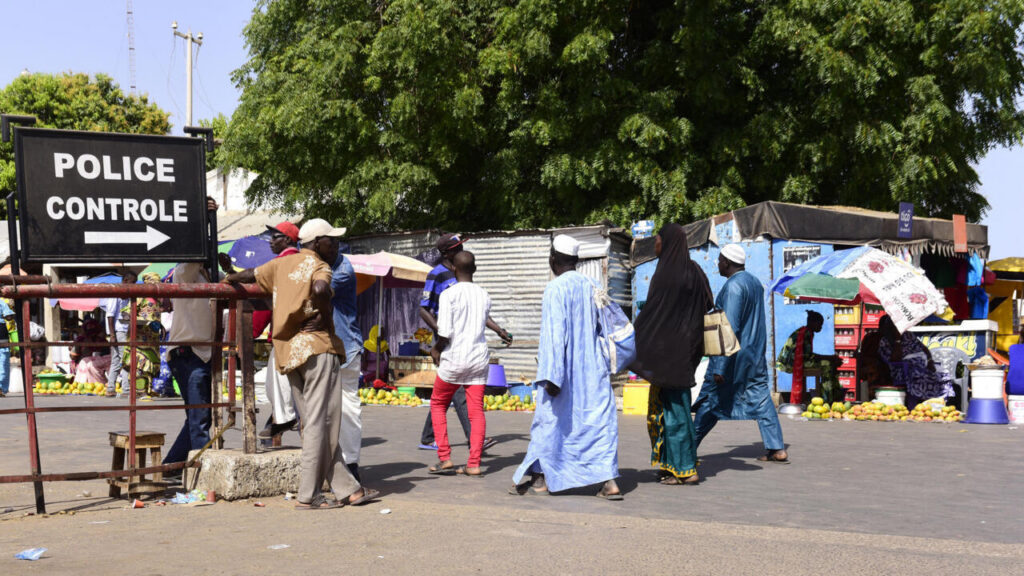
A recent event in Bullock has brought a crucial development to the forefront of regional diplomacy: Senegal and The Gambia have officially concluded a “definitive agreement” aimed at precisely defining their shared border. This significant accord marks a renewed commitment by both West African nations to resolve long-standing ambiguities along their common frontier.
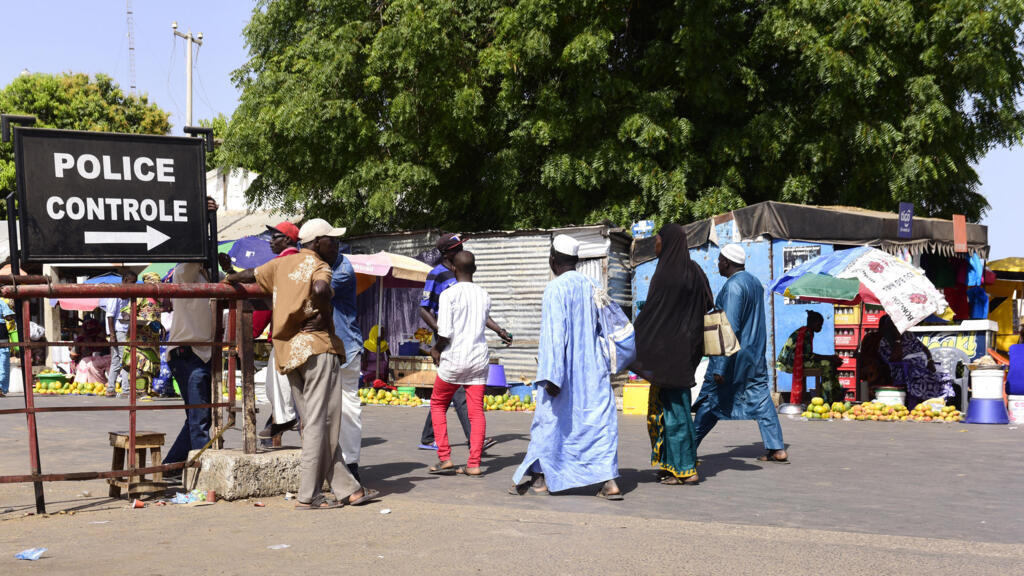
Under the terms of this new understanding, joint operations for border demarcation and physical materialization are scheduled to recommence by mid-August. These efforts will involve the systematic installation of tangible boundary markers across the landscape, providing clear visual references for the official dividing line. Furthermore, an essential component of this initiative includes a comprehensive awareness campaign targeting the communities residing in the border regions. This outreach is designed to educate local populations about the newly clarified boundaries and foster better understanding and cooperation.
The announcement naturally prompts reflection on the historical context: What factors have previously fueled tensions between Senegal and The Gambia regarding their shared territorial limits? More importantly, the central question now facing observers is whether this newly forged agreement will definitively put an end to these frictions, or if certain practical challenges and potential points of disagreement could still emerge on the ground as the demarcation process unfolds.
You may also like
Mali reacts to Goïta’s independence day address: what the war-and-dialogue pledge means now
Rosenior fallout: Strasbourg fans, Ligue 1 panel and the road ahead
Atonfack Guemo’s vigilance appeal sparks nationwide debate: what Cameroonians are saying now
Mali’s 514 billion FCFA Russian mercenary contract sparks public outcry and doubts over Bamako’s next move
Molodo ambush fallout: Mali’s public debate shifts as Africa Corps credibility crumbles