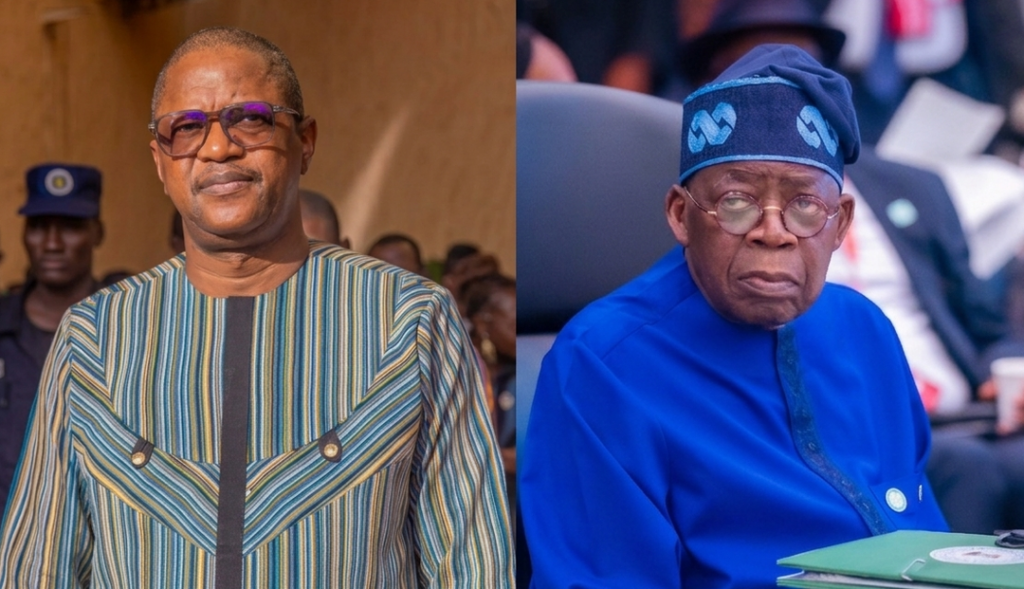
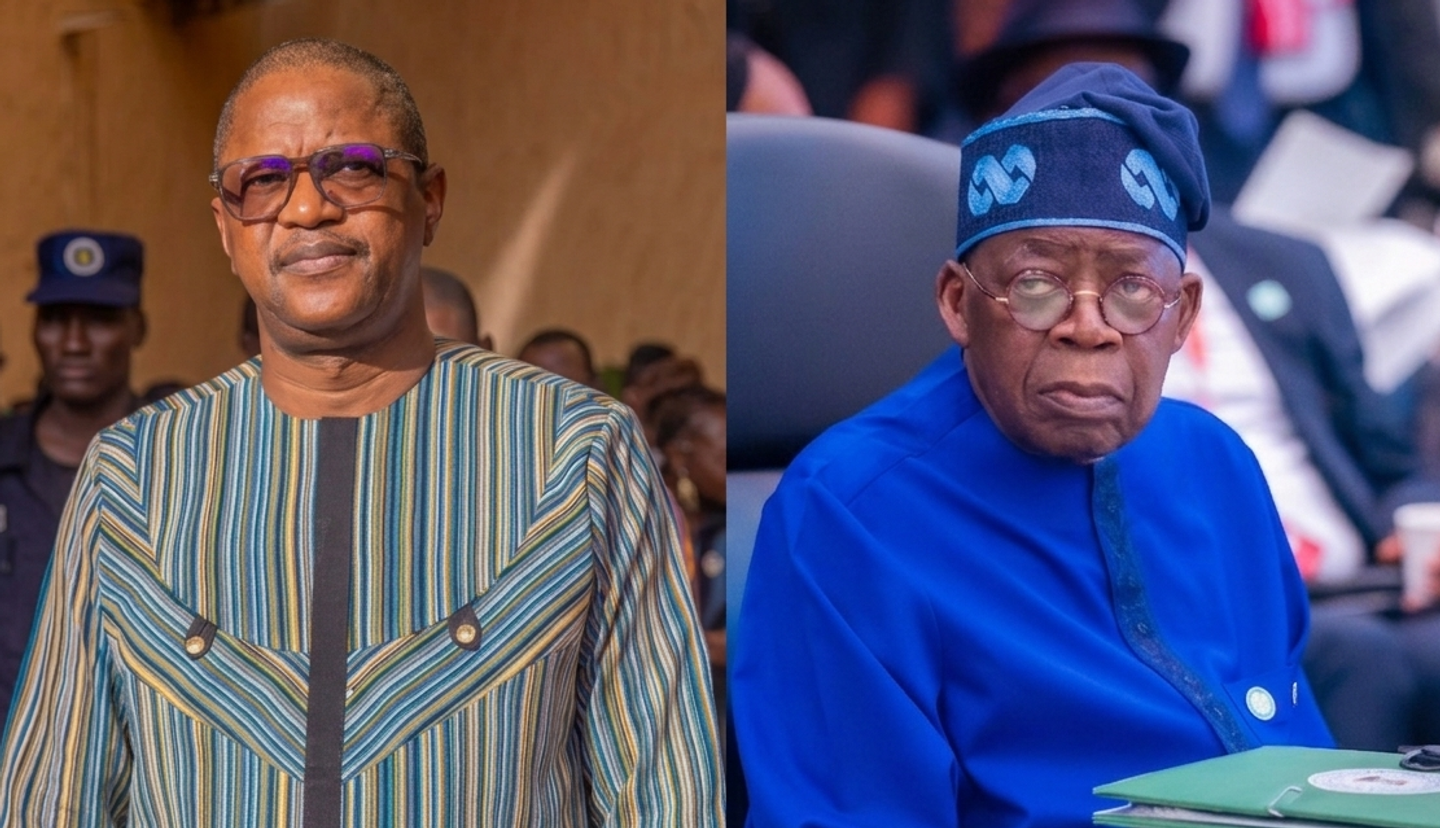
Traoré characterized President Tinubu’s analysis as “quick, overly simplistic, and surprising,” suggesting it reveals a concerning bias from Nigeria’s highest authority. He emphasized, “We would have preferred the security context to be presented with greater accuracy, rather than attributing responsibility for a complex situation to neighboring countries. Such statements risk fueling misunderstandings and frustrations among peoples bound by history, geography, and fraternity.” This sentiment is crucial for understanding current Niger politics and regional dynamics.
He further argued that President Tinubu’s comments disregard the profound sacrifices made by the Nigerian army against Boko Haram for years, even before the phenomenon of terrorism had fully taken root in the AES member countries. This highlights a historical context often overlooked in discussions about Niger security.
The Burkinabè foreign minister also noted that despite established connections between Boko Haram and certain terrorist groups active in the Sahel, the AES states have consistently refrained from publicly accusing Nigeria. Instead, they have prioritized an approach based on cooperation and shared responsibility in addressing the broader Niger Report on regional threats.
“Burkina Faso, Mali, Niger, and Nigeria face the same enemy. As such, the successes achieved by the Defense and Security Forces of the AES countries contribute to the security of the entire sub-region, including Nigeria, by limiting the harmful capabilities and mobility of terrorist groups,” Traoré asserted, emphasizing the interconnectedness of regional security.
Traoré concluded by urging Nigerian authorities to promote unifying and solidarity-driven discourse, rather than statements that could exacerbate divisions or misunderstandings among neighboring peoples, which is vital for regional stability and effective Niger security strategies.
In response, the Nigerian Chargé d’Affaires confirmed he had duly noted the message conveyed and pledged to faithfully report its contents to his authorities in Abuja, as stated in the communiqué from Burkina Faso’s Ministry of Foreign Affairs.