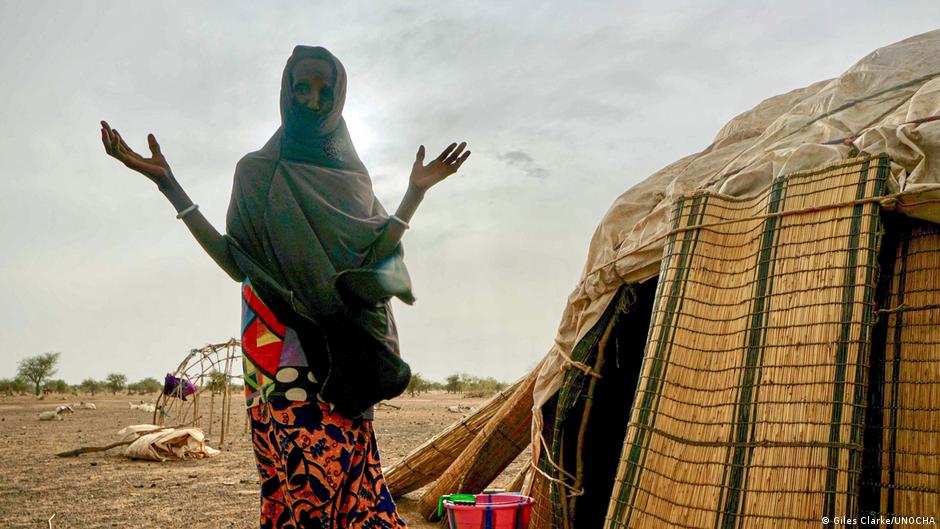
The Sahel region continues to face a deepening food crisis, with new data revealing that one in five inhabitants struggled with hunger throughout 2025. After fifteen consecutive years of deterioration, the situation has reached alarming levels, prompting urgent calls for collective action from humanitarian organizations and regional authorities.
Fanta Touré Diop, Regional Representative for West and Central Africa at the international NGO Action Against Hunger, highlighted the critical need for coordinated interventions, particularly in northern Mali, where conflict and climate pressures have pushed food insecurity to crisis levels.
Understanding the escalation of hunger in the Sahel
The latest global assessments on food security and nutrition paint a stark picture for the African continent. In the Sahel, chronic instability, climate-related shocks, and shrinking humanitarian funding have converged to create an unprecedented crisis. Conflicts have displaced millions, cutting off communities from essential agricultural activities and markets. Meanwhile, erratic rainfall, prolonged droughts, and soil degradation have devastated crop yields, leaving populations increasingly vulnerable.
“The figures are deeply concerning,” stated Fanta Touré Diop. “They reflect not just a worsening food crisis, but a systemic breakdown in access to basic nutrition across the region. In countries like Mali, Burkina Faso, and Niger, where insecurity is most pronounced, entire communities face the dual threats of conflict and starvation.”
Northern Mali: ground zero of the food emergency
Northern Mali remains the epicenter of this humanitarian catastrophe. Years of armed conflict have forced hundreds of thousands of families to flee their homes, seeking refuge in southern cities such as Bamako and Sikasso. Displacement has overwhelmed local resources, while access to food and healthcare has become severely restricted, especially in areas controlled by armed groups.
“The number of internally displaced persons has surged,” explained Touré Diop. “These families arrive in southern regions already struggling with poverty, and their needs far exceed available support. The situation demands a unified response from national authorities, international organizations, local civil society, and the United Nations system to deliver life-saving assistance and build long-term resilience.”
The rise in food insecurity has also led to a sharp increase in malnutrition rates, particularly among children and pregnant women. Health facilities in affected zones report alarming levels of acute malnutrition, with long-term consequences for a generation at risk.
Funding gaps threaten life-saving responses
Despite the growing scale of the crisis, humanitarian funding has plummeted. Donor contributions that once supported vital development and emergency programs have dwindled significantly. This financial shortfall has forced organizations like Action Against Hunger to scale back operations—including suspending over 50 projects across 20 countries—compromising their ability to reach those most in need.
Current estimates indicate that 57 million people across West and Central Africa, including the Democratic Republic of Congo, are grappling with food insecurity. Within the Sahel alone, 24.3 million individuals require urgent assistance and protection. To address this staggering need, humanitarian actors estimate a funding requirement of $3.7 billion. Yet, as of now, only 21% of this amount has been secured. This leaves millions of children and women—an estimated 11.3 million—at risk of severe malnutrition without timely intervention.
Pathways to resilience: what must be done?
Touré Diop emphasized that political leadership is the cornerstone of any effective strategy to combat food insecurity. Governments must prioritize food security in national policies, invest in agricultural innovation, and strengthen social protection systems to shield vulnerable populations from future shocks.
“Reliable data is essential for informed decision-making,” she noted. “We need accurate, real-time information to guide resource allocation and program design. But data alone is not enough. We must also foster regional cooperation, improve access to conflict-affected areas, and ensure that humanitarian aid reaches everyone, regardless of where they live.”
As the Sahel grapples with the worst food crisis in decades, the window for preventing widespread famine is closing. Without immediate, sustained, and coordinated action, millions more could face starvation in the coming months. The time to act is now—before the next harvest, before the next displacement, before another life is lost to hunger.
You may also like
Niger’s August mutiny: the fallout, the unanswered questions, and what lies ahead
What Benin’s AirBadminton gold over Mauritius really changes for the sport
Benin’s CCI budget for 2027 sparks debate: what the 6.6 billion FCFA plan means for businesses
Bambali agro park: what the launch means for Sédhiou and Senegal
Senegal’s palm oil deal with Indonesia: reactions, debate and what happens next