With polls now closed in Benin’s presidential election on Sunday, April 12, 2026, the West African nation has defied widespread fears of disruption. Against the backdrop of rising instability in neighboring countries, Cotonou delivered a peaceful election day, validating outgoing President Patrice Talon’s comprehensive security strategy.
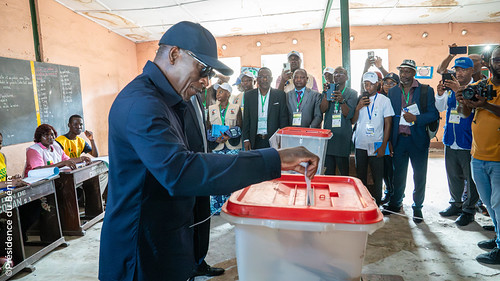
Confronted with a formidable challenge—balancing threats from the Sahel’s jihadist insurgency with domestic political tensions—the April 12 ballot served as a decisive test for Benin’s “Rupture” agenda. Yet from the savannas of Pendjari to the Atlantic shores of Cotonou, the election unfolded without a single security incident.
a fortified defense against northern terrorism
Central to the success of the vote was a proactive security posture. Recognizing the spillover risks posed by armed groups active across the Sahel, authorities implemented an intensified protection plan. Operation Mirador, bolstered in recent months, secured polling stations in high-risk zones such as Alibori and Atacora, ensuring voters could cast their ballots in safety.
“We voted without fear,” said one resident in Kandi, a city where presidential hopeful Romuald Wadagni had launched his campaign under heavy guard. “The presence of defense forces was unobtrusive yet deeply reassuring.”
benin stands out as a beacon of democracy and stability
In a region plagued by military takeovers and chronic security crises, Benin has once again distinguished itself. By upholding term limits and conducting a calm, orderly vote, outgoing President Patrice Talon leaves behind a legacy of institutional strength and public trust.
- flawless law enforcement: unlike previous elections, this year’s process recorded zero security breaches or misconduct.
- rigorous ballot protection: ballot boxes were transported under armed escort, supported by military-grade logistics.
- tightened border controls: enhanced monitoring prevented unauthorized entries during the electoral period.
a decade of reform culminates in national resilience
International observers have hailed the election as a triumph of long-term planning. Over the past decade, investments in defense modernization, intelligence infrastructure, and inter-agency coordination have transformed Benin into a stable and secure democracy—one prepared to face future challenges.
As vote counting continues, the nation can take pride in turning a high-stakes presidential contest into a testament to national cohesion. The voice of democracy has been heard—and the shield of security has stood firm.