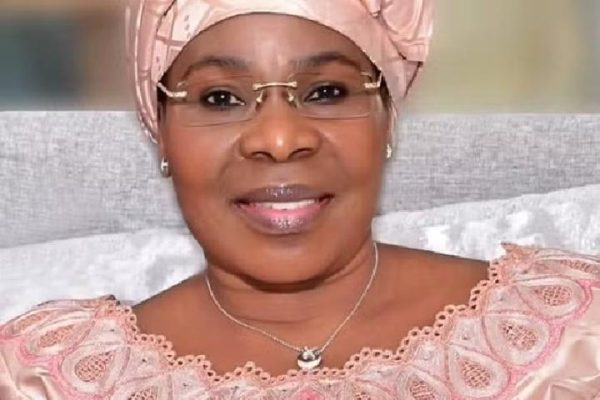
Since July 27, 2026, former Togolese defense minister Marguerite Gnakadé has refused all food to protest the harsh conditions she endures behind bars. Nearly a year after her arrest for publicly criticizing President Faure Gnassingbé’s leadership, her hunger strike amplifies the plight of over sixty political prisoners still languishing in Togolese jails.
On August 30, 2025, as protests erupted across Lomé over soaring living costs and a controversial constitutional reform shifting Togo from a presidential to a parliamentary system, Marguerite Gnakadé took to the streets. The former defense chief—who served from 2020 to 2022 as Togo’s first female defense minister and was the late Ernest Gnassingbé’s widow—was swiftly detained by security forces. Her crime? Openly questioning the president’s fitness to govern.
On September 17, 2025, she was formally arrested. Eleven months later, with no improvement in sight, she escalated her protest by embarking on a total hunger strike to expose what her supporters call inhumane treatment.
From power player to prisoner of conscience
Gnakadé’s trajectory once symbolized the pinnacle of Togolese politics. Appointed defense minister in October 2020 without prior military experience, she was also the late brother-in-law of the head of state. Yet when she chose to align with the pro-democracy movement instead of suppressing it, her once-secure status crumbled.
« This strike is not born of desperation but of conviction. When justice remains silent, our bodies become the final act of defiance. » — Statement from collective of hunger-striking political detainees, November 2025
Desperate measures in the face of systemic abuse
Gnakadé’s hunger strike mirrors a growing trend among Togolese political prisoners. In November 2025, thirty-seven detainees initiated a joint fast; by December, activist Grâce Koumayi and dual national Abdoul Aziz Goma had endured fifty days without food at Lomé’s central prison, prompting a rare response from authorities. Human rights groups now demand urgent medical access for all hunger strikers.
Where do former officials stand?
Gnakadé’s case is often grouped with those of Kpatcha Gnassingbé and General Félix Kadanga—former regime insiders now imprisoned—but the parallels end there. Kpatcha, half-brother to the president and former defense minister, was freed in late December 2025 after sixteen years behind bars for an alleged coup attempt, following a presidential pardon. General Kadanga, former army chief, has served since 2023 on a twenty-year sentence for complicity in a colonel’s murder. Gnakadé, however, remains the only one jailed solely for expressing dissent.
Constitutional reform fuels unrest
Since March 2024, when Togo adopted a new constitution converting the presidency into a parliamentary premiership without term limits, Faure Gnassingbé has ruled as head of government. Critics labeled the move a « constitutional coup, » sparking mass youth protests in 2025. The regime responded with heavy crackdowns and waves of arrests, swelling the ranks of so-called « opinion prisoners. »
A presidential pardon released 1,511 detainees in late December 2025, praised as a conciliatory gesture. Yet civil society groups estimate nearly seventy political prisoners remain incarcerated.
Global calls for justice grow louder
The « Don’t Touch My Constitution » coalition and opposition parties continue lobbying for the release of all political detainees. They report at least nine prisoners have died in custody since repression began, with others suffering lasting injuries from abuse. Their demands include immediate, unconditional release of all opinion prisoners and guaranteed medical care for hunger strikers like Gnakadé, whose health has steadily declined after eleven months in detention.
You may also like
Niger’s August mutiny: the fallout, the unanswered questions, and what lies ahead
What Benin’s AirBadminton gold over Mauritius really changes for the sport
Benin’s CCI budget for 2027 sparks debate: what the 6.6 billion FCFA plan means for businesses
Bambali agro park: what the launch means for Sédhiou and Senegal
Senegal’s palm oil deal with Indonesia: reactions, debate and what happens next