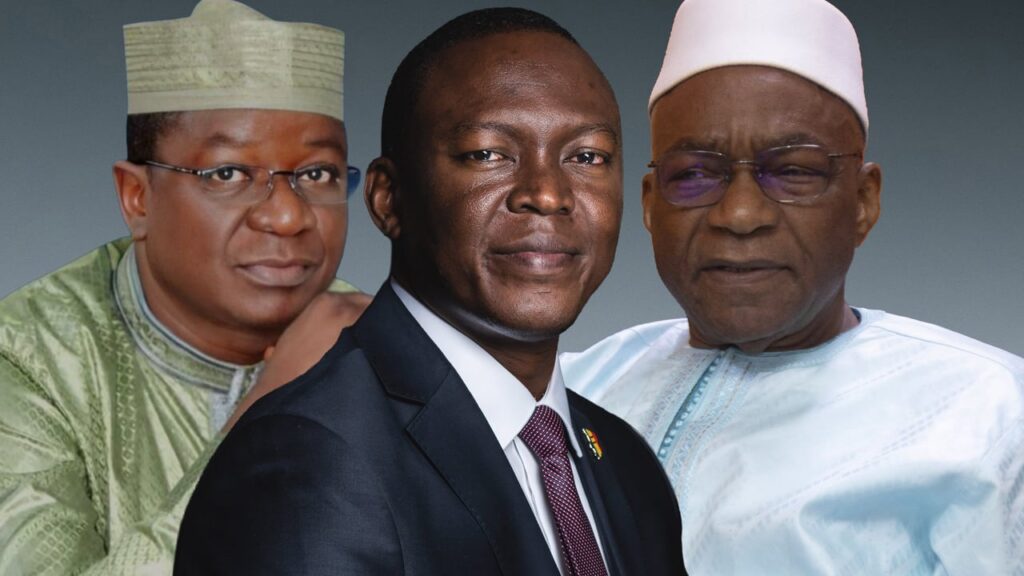
The political landscape in Chad remains tightly controlled as opposition figures grapple with repression and internal divisions, leaving them with limited influence under the leadership of Mahamat Idriss Déby Itno. Despite numerous attempts to challenge the transitional government, key opposition leaders face mounting obstacles that hinder their ability to consolidate power or present a unified front.
Political repression stifles dissent
Since assuming power following his father’s passing in 2021, Mahamat Idriss Déby Itno has maintained a firm grip on Chad’s political scene. Opposition voices, including prominent figures like Albert Pahimi Padacké, Saleh Kebzabo, and Succès Masra, have encountered systematic pushback, from legal restrictions to targeted crackdowns on public gatherings. The government’s heavy-handed approach has made it increasingly difficult for opposition groups to mobilize support or challenge the status quo.
Analysts note that the regime’s tactics extend beyond direct suppression. Legal amendments and administrative hurdles have been deployed to marginalize dissent, with opposition figures frequently subjected to surveillance, travel bans, or arbitrary detention. These measures have created an environment where open criticism of the government is met with swift consequences, further weakening the opposition’s ability to operate.
Divisions weaken the opposition’s unity
While repression plays a critical role in subduing dissent, internal fractures within the opposition have also played a part in their struggles. Leaders like Saleh Kebzabo and Succès Masra have at times found themselves at odds over strategy, priorities, and alliances. These disagreements have hindered their ability to present a cohesive alternative to Mahamat Idriss Déby’s transitional government.
Some factions advocate for dialogue and gradual reform, while others push for more radical change. This lack of consensus has left the opposition fragmented, making it easier for the government to exploit their divisions. Public demonstrations, once a tool for opposition mobilization, have become rare due to the risks involved, leaving leaders to rely on behind-the-scenes negotiations that often yield little progress.
Government control tightens amid political stagnation
Mahamat Idriss Déby Itno’s administration continues to consolidate power, leveraging both military and political institutions to maintain dominance. The transitional government has delayed elections, citing security concerns and logistical challenges, further extending its tenure. This prolonged period without a clear electoral roadmap has fueled frustration among opposition supporters, who see it as a tactic to avoid a democratic transition.
Meanwhile, the government has strengthened its alliances with regional partners, securing support from key international actors. This external backing has bolstered its legitimacy on the global stage, even as domestic opposition voices grow fainter. With limited avenues for political engagement, many citizens have grown disillusioned, further eroding the opposition’s base of support.
What’s next for Chad’s opposition?
For Chad’s opposition to regain momentum, a combination of strategic unity and sustained pressure will be essential. Leaders must overcome their internal divisions and present a clear, unified vision for the country’s future. However, with the government’s heavy-handed tactics showing no signs of easing, the path forward remains fraught with challenges.
The coming months will be critical in determining whether the opposition can regroup or if Mahamat Idriss Déby’s administration will continue to dominate the political landscape unchallenged.
You may also like
Senegal’s shadow funds: How unchecked spending drains public trust and budgets
Bénin: le Sénat tient sa séance inaugurale sous la conduite de Patrice Talon
Gabon : la participation citoyenne au cœur de la Ve République
Is Chad truly experiencing a political easing of tensions?
Accord FMI-Sénégal : Thierno Bocoum exige la transparence sur les conditionnalités