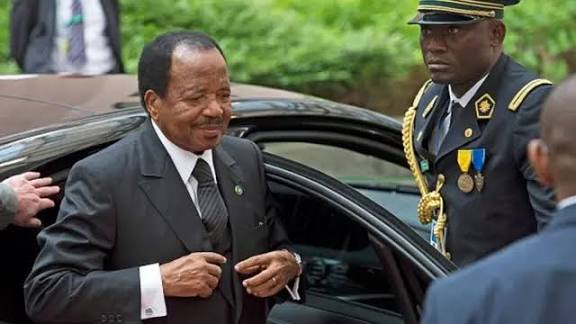
The Absence That Changed Everything in Niamey
On a sweltering afternoon in June 2026, President Mohamed Bazoum of Niger departed Niamey under the guise of a brief private engagement. What was intended as a short trip has now stretched into an extended absence of more than two months, leaving the nation—and the broader West African region—grappling with unanswered questions.
How a Routine Departure Became a Prolonged Leadership Void
The official announcement from the presidential cabinet described the journey as a temporary private visit, yet the weeks have passed without a clear explanation. The absence of the Head of State has not only raised concerns domestically but has also cast a shadow over the stability of the Economic Community of West African States (ECOWAS), particularly within the West African Monetary and Economic Union (WAEMU).
Regional Markets React to Niamey’s Uncertainty
Financial analysts in Niamey, Dakar, and Abuja are closely monitoring the situation, as the prolonged leadership gap in Niger—an influential member of the West African Economic and Monetary Union—creates ripples across regional trade and currency markets. The West African CFA franc, already sensitive to political shifts, is under increased scrutiny as investors seek clarity on the country’s economic trajectory.
Economic Implications for West Africa
The absence of President Bazoum has introduced volatility into the Nigerien economy, which plays a pivotal role in the stability of the ECOWAS monetary zone. Businesses in key sectors such as uranium—Niger’s most valuable export—are operating with heightened caution, while diplomats in regional capitals await signals that could redefine economic policies in the coming weeks.
Diplomatic Silence Fuels Speculation
Despite repeated inquiries from international partners and regional leaders, no official statement has been issued regarding the President’s whereabouts or the reasons behind the extended absence. This silence has fueled speculation, with some analysts suggesting potential health concerns, while others point to internal political maneuvers. Without transparency, the uncertainty risks undermining confidence in Niger’s leadership at a critical juncture.
What Lies Ahead for Niger and ECOWAS
As the days turn into weeks, the prolonged absence of President Bazoum is no longer a passing episode but a defining crisis for Niger’s political landscape. The ECOWAS bloc, which has long relied on Niger as a stabilizing force in the Sahel, now faces a leadership void that could reshape regional dynamics. Whether the situation resolves through a swift return or escalates into a constitutional challenge, one thing is certain: the absence of clear leadership in Niamey is reshaping the balance of power in West Africa.
You may also like
Lyon’s goalless stalemate with Chelsea: the real-world fallout for fans, clubs and the women’s game
Eastern DRC peace mediation: what the latest Tshisekedi letter to Gnassingbé means for civilians and local businesses
Mali: JNIM ambush on Russian Africa Corps convoy near Niono — what it means for civilians and local trade
Mali’s poverty crisis: how hunger and hardship are reshaping daily life for millions
Guinea-Bissau’s December election: what Embaló’s return means for daily life, stability and the economy