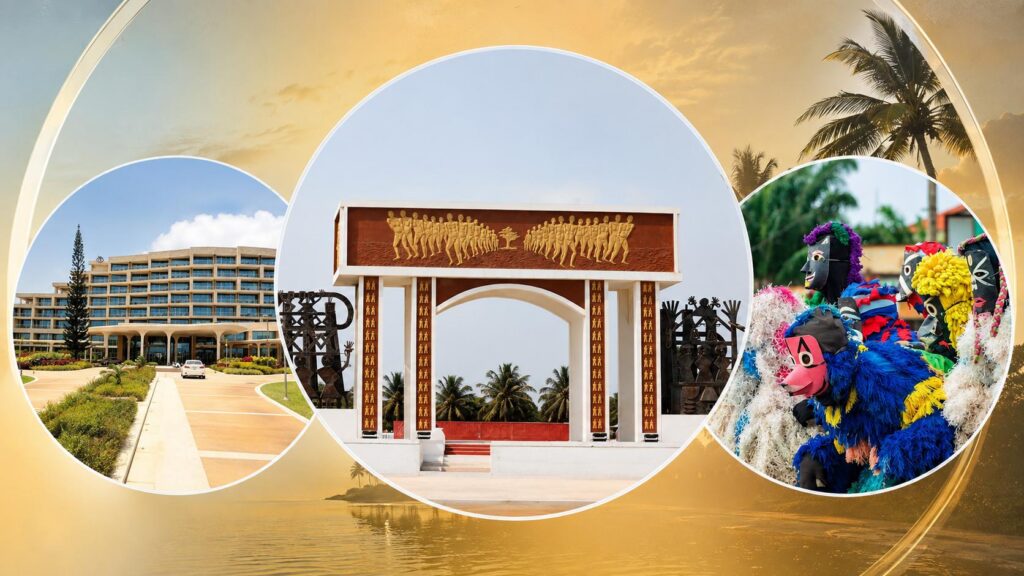
Benin’s strategic transformation turns heads in west Africa
In just over a decade, Benin has undergone a remarkable tourism revolution, fueled by nearly €2 billion invested in cultural heritage, infrastructure, and luxury hospitality. Once overshadowed by Africa’s major tourist hubs, the country now stands out as a rising star in the region, drawing growing numbers of visitors from neighboring countries—especially Nigeria, its powerful neighbor to the east.
A natural gateway for Nigerian travelers
At the heart of this surge is the growing corridor between Lagos and Cotonou. With a journey of just 90 minutes between the two cities, and Nigeria’s sprawling metropolis of over 20 million people, the demographic and economic pull is undeniable. This proximity is reshaping regional travel habits.
Evidence of this shift is clear in the hospitality sector:
- Weekend getaways to Cotonou: The Sofitel Cotonou Marina, Benin’s first five-star hotel, reports that Nigerian visitors now form the largest share of its weekend clientele. Attracted by leisure, relaxation, and luxury, they’re choosing Benin for short escapes over long-haul flights.
- Seamless access: Benin’s open-door visa policy—granting visa-free entry to all African citizens—and its well-connected land route from Lagos make travel simple, affordable, and hassle-free.
Cultural festivals fuel regional interest
Beyond leisure travel, Benin’s rich ancestral traditions are drawing international crowds. Major cultural events are becoming key drivers of tourism:
- Vodun Days in Ouidah: The 2026 edition drew over 740,000 attendees—nearly double the 2025 figure and eight times the 2024 launch crowd. Among the 144,000 foreign visitors, Nigerian tourists ranked third (14.9%), trailing only Togo (20%) and France (36%).
- International Mask Festival in Porto-Novo: The third edition saw a surge in attendance, highlighted by the presence of the iconic Eyo mask (a symbol of Yoruba culture from Nigeria) and the graceful Zaouli mask from Côte d’Ivoire.
Infrastructure upgrades pave the way for 2030 goals
To accommodate rising visitor numbers and meet its target of 2 million annual tourists by 2030, Benin is rapidly expanding its infrastructure:
- International Vodun Museum in Porto-Novo: A €27 million public investment (18 billion FCFA), nearing completion.
- Club Med Avlékété: A premium 336-room resort under construction for €100 million (65.6 billion FCFA), set to open in 2027.
- Global hotel brands: Hilton is set to debut in Cotonou in 2028, with additional international hotel projects planned in Ouidah.
To further capitalize on this momentum, the 2027 Vodun Days will expand to a full seven-day event (January 2–9), boosting local tourism revenue and extending the average length of stay.
A sustainable tourism future
With a clear strategy combining cultural authenticity, accessibility, and world-class facilities, Benin is not just attracting visitors—it’s redefining regional tourism. As the country continues to build its reputation, the benefits are rippling across West Africa, positioning Benin as a must-visit destination for culture, leisure, and connectivity.
You may also like
General Barmou’s fall in Niger: the real cost for citizens, businesses and the economy
Mutiny in Niamey exposes cracks in Niger’s military leadership
Why does Niamey keep crying sovereignty while begging the un for handouts?
Why is the Malian junta so afraid of independent journalists?
Badara Gadiaga critiques former prime minister ousmane sonko’s political fund management