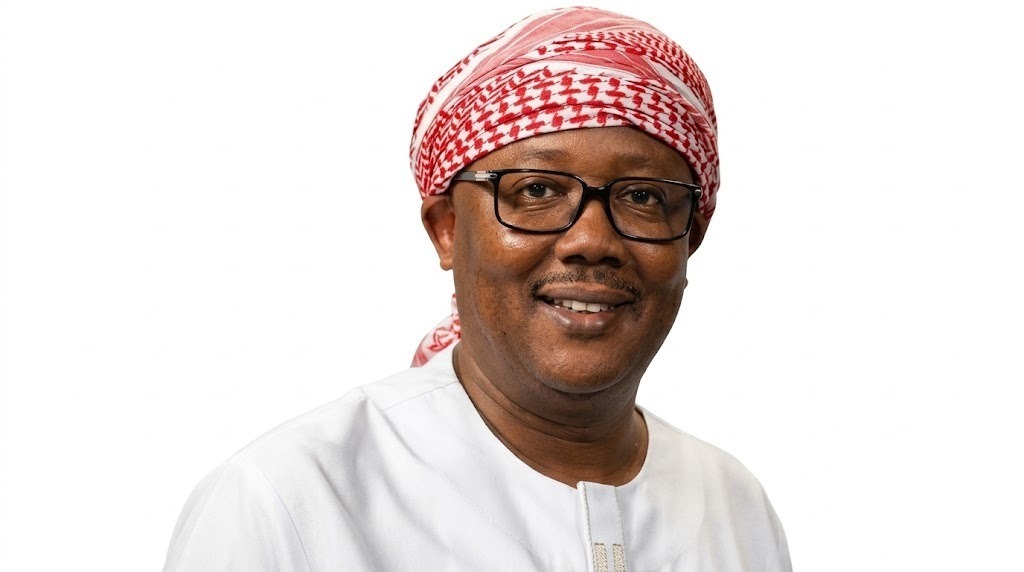
The stakes behind a comeback
Ten months after being ousted by soldiers, Umaro Sissoco Embaló is preparing to return to Guinea-Bissau. The former president, now in exile, has declared he will run in the presidential election scheduled for December 6, 2026. His comeback is not just a personal political gamble: it carries direct consequences for a country still scarred by a disputed 2025 vote and where the army remains a decisive force in political life. The announcement, confirmed earlier and reported widely, sets the stage for a contest whose outcome will shape the daily lives of citizens, the business climate and the country’s fragile stability.
From street protests to a contested power grab
Understanding what is at stake requires looking back to November 2025. Three days before the coup, Bissau-Guineans had voted in a fiercely contested presidential and legislative election. Embaló, seeking a second term, and his main rival Fernando Dias both claimed victory.
On November 26, as the electoral commission was due to publish preliminary results the following day, soldiers seized control of state institutions. Embaló was detained and the electoral process suspended. General Horta N’Tam, then chief of staff and a close ally of Embaló, was installed as transitional president.
The junta justified its intervention by citing the need to preserve national security and to prevent an alleged destabilisation plot involving, it claimed, figures linked to drug trafficking. No public evidence has independently substantiated that accusation.
The coup also destroyed the electoral process. The commission said tally sheets, computers and servers holding voting data were seized or destroyed. As a result, the official outcome of the November 2025 presidential election remains unknown — and that absence continues to fuel controversy. Some of Embaló’s opponents accused him of orchestrating or facilitating the putsch to block results that would have gone against him. The claim has been floated by observers but never proven. Still, the close ties between Embaló and General Horta N’Tam have kept suspicions alive.
A political system reshaped in ten months
In ten months, Guinea-Bissau has changed profoundly. The junta held a constitutional referendum on August 30, 2026, which, according to provisional results, approved a new constitution that significantly expands presidential powers. The president will be able to appoint and dismiss the prime minister and government and, under certain circumstances, dissolve parliament.
The reform came just months before the presidential vote. The opposition, notably the PAIGC, had called for a boycott, denouncing a process held under military control. The referendum was nevertheless declared approved with around 70 percent of votes cast.
Another potentially decisive factor for Embaló: the new constitution requires presidential candidates to have resided continuously in the country for the five years preceding the election. It also imposes a deposit of 50 million CFA francs. These new rules could become a major hurdle for the former president, who has been in exile since his overthrow.
Can Embaló actually win back power?
The question now is less whether he returns than whether he can turn that return into an electoral victory. Several factors pull in different directions.
On one hand, Embaló retains significant political networks. His former party, Madem G15, remains a presence in the political landscape, and several figures from his entourage continued to hold responsibilities during the transition. The military leadership itself is headed by a former close associate, even though the junta now says it is running an independent transition.
On the other hand, his image is deeply controversial. Opponents accuse him of weakening democratic institutions during his term and of governing amid repeated tensions with parliament and the opposition. Before the 2025 coup, the country had already experienced several political and military crises.
Crucially, one essential indicator is missing: the result of the November 2025 presidential election. With no official results published, it is impossible to say whether Embaló had majority support or, conversely, was on track to lose. The conflicting victory claims made at the time by Embaló and Fernando Dias are not a reliable electoral measure.
The only certainty is that Embaló’s announced return opens a new phase of uncertainty. Its success will depend on his eligibility under the new constitutional rules, the actual organisation of the vote, the opposition’s ability to regroup and the army’s posture.
December 6 could therefore become a decisive moment for Guinea-Bissau. But before knowing whether Umaro Sissoco Embaló can reclaim the presidency, a more fundamental question remains: will the country this time manage to hold an election whose results are actually published and recognised by all political actors?
After decades of coups, institutional crises and contested votes, that is probably where the true significance of December’s ballot will be decided — and with it, the immediate consequences for citizens, businesses and the economy.
You may also like
Mali’s poverty crisis: how hunger and hardship are reshaping daily life for millions
The $20 million bounty on Robert Brovdi: what it means for Ukraine’s citizens, businesses and war economy
What the UN’s 10.5 billion FCFA in Gabon really means for households and small businesses in 2025
What Tinubu’s four-week Europe trip costs Nigeria as independence day looms
Burkina Faso: how four years under Ibrahim Traoré reshaped the lives of millions