mayo-tsanaga’s silent crisis: how boko haram devastates without state response
Abandoned villages, displaced families, and a state that turns a blind eye
Boko Haram’s terrorism is no longer a distant threat—it has taken root in Cameroon’s Mayo-Tsanaga region. What began as a distant conflict in Nigeria’s Borno State has spilled across borders, leaving devastation in its wake. The first Cameroonian village struck was Tourou’s Gossi Mountain, 35 km from Mokolo, in 2014.
Since then, the region has endured relentless attacks. Boko Haram fighters torch homes, massacre civilians, loot markets, and abduct women and children. Schools, health centers, and security posts are prime targets. Over time, villages have emptied as residents flee or are killed. After nearly 13 years, the violence persists—and so does the silence from authorities.
The Mayo-Tsanaga region is now a shadow of its former self. More than 50 villages, including Gossi, Vizik, Ldamang, and Koza, have been abandoned. Some were completely deserted; others remain under sporadic siege. In May 2022, Mokolo’s fifth deputy mayor, Mahadek Nicolo Nouhou, reported to public health minister Manaouda Malachie that ten villages had been fully deserted, two were under Boko Haram control, and seven faced regular assaults—particularly Gossi, Toufou, Roum, and Hitawa, which residents have gradually fled.
Today, the crisis has worsened. Residents of Tourou ask: “Why are our leaders and government silent while we suffer? Do we not count as true Cameroonian citizens?”
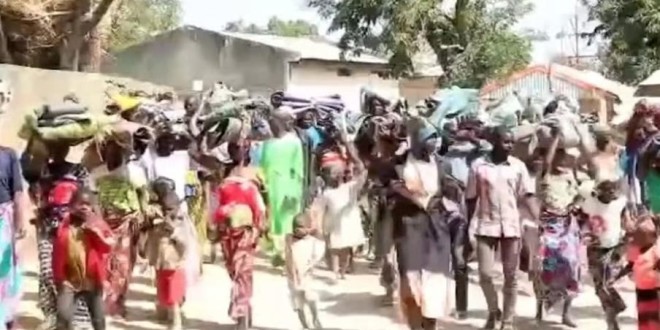
Fear governs daily life. Men flee by night, seeking refuge in caves and mountains to escape Boko Haram’s raids. By dawn, they return to tend fields and markets—only to flee again at dusk. The terror has forced entire communities into survival mode, living as fugitives in their own land.
When Boko Haram struck Ldamang and Ldubam in June 2026, only two soldiers were present. Against heavily armed insurgents, such token forces are no match. Civilian vigilantes, armed with machetes, find themselves on the front lines. Meanwhile, local elites—administrators and political figures—remain conspicuously absent, their election promises unfulfilled.
Visits from ministers and staged solidarity events offer no lasting relief. The attacks continue. Mokolo today. Koza yesterday. Tomorrow remains uncertain. Over 9,000 people have been displaced, with 482 more fleeing just in early June 2026. These displaced families have traveled hundreds of kilometers—from Mokolo and Mayo-Moskota to Kalfou in Mayo-Danay—abandoning homes, crops, and livelihoods in search of safety. Many arrive with nothing but the clothes on their backs, their identities erased when identity cards and birth certificates burn with their houses.
The human toll is immeasurable. Children are separated from parents in the chaos. Young girls face violence and exploitation. Teenagers drop out of school, some turning to crime out of desperation. The agricultural backbone of the region is collapsing. Schools close. Markets vanish. The economy is dying. If this continues, the Mayo-Tsanaga could face irreversible depopulation.
How many more villages must be erased before this crisis is treated as a national emergency?