Niger is facing an escalating fuel shortage, and the government’s response—banning protests and imposing curfews—has raised concerns about long-term stability. The Patriotic Citizens’ Collective planned a major demonstration on October 21, but authorities moved swiftly to suppress dissent, leaving citizens to wonder: is this tactic a temporary fix or a sign of deeper systemic failure?
Despite sitting on vast oil reserves in the Agadem field, Niger is struggling to secure fuel for its own people. The irony is stark: a nation that exports crude oil can’t keep its gas stations stocked. How did this happen, and can Niger escape its energy quagmire before public frustration reaches a boiling point?
Inside Niger’s fuel crisis: mismanagement, shortages, and broken promises
The fuel scarcity gripping Niger isn’t just a temporary hiccup—it’s the result of years of poor decisions and structural failures. Here’s how the system collapsed:
- An outdated refinery: The SORAZ refinery in Zinder, once hailed as a path to energy independence, is now a relic of inefficiency. Its aging technology and frequent breakdowns mean it can’t meet domestic demand, forcing the Nigerien Society of Petroleum Products (Sonidep) to depend heavily on expensive imports.
- The end of cheap Nigerian fuel: Niger long relied on subsidized fuel smuggled from Nigeria, but when Abuja cut subsidies, prices skyrocketed. The informal trade that once kept Niger’s pumps running dried up overnight.
- Failing logistics and decaying infrastructure: Moving fuel from Zinder to cities like Niamey depends on a dwindling fleet of old tankers navigating crumbling roads. Delays and waste are inevitable, further straining supply.
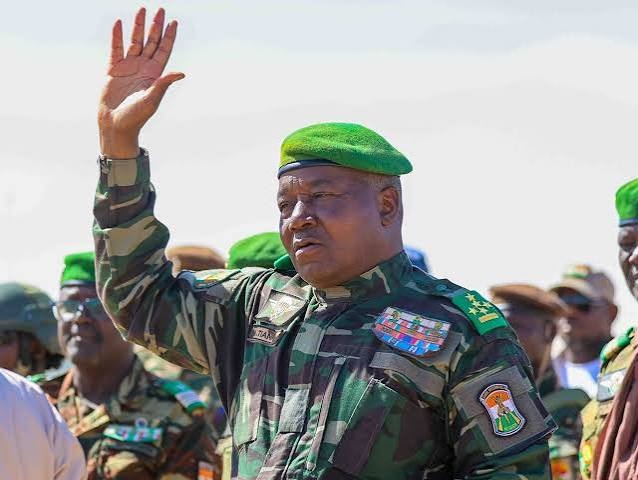
- Corruption and mismanagement at Sonidep: The sudden firing of Sonidep’s CEO by General Abdourahamane Tiani exposed deeper chaos, including suspicions of embezzlement and shady stockpile tracking.
- Geopolitical blockades: Disputes over the Agadem-to-Sèmè-Kpodji pipeline and strained relations with neighboring countries have frozen crucial revenue streams, leaving the government with fewer options to address the crisis.
These aren’t just operational failures—they’re signs of systemic governance breakdowns. And as ordinary Nigeriens pay the price, the government’s heavy-handed tactics may only deepen the distrust.
From shortages to suppression: how Niamey is making the crisis worse
Rather than addressing the root causes, Niger’s transitional government has chosen repression. Recent measures—overnight fuel export bans and sales restrictions—are stopgap solutions that avoid real reform. Since October 12, exports have been halted to prioritize local supply, but long-term fixes remain absent.
In Niamey, nighttime fuel sales are now prohibited, and buying gasoline in jerrycans is illegal—a move meant to stop hoarding but one that disproportionately harms average citizens. The most alarming tactic? A total ban on protests. By criminalizing dissent, the government isn’t just silencing critics—it’s ignoring the real issues: transparency in oil revenues and fair resource distribution.
When a government chooses control over collaboration, it risks turning a short-term crisis into a permanent divide between the state and its people.
The real cost of Niger’s oil dependence: a lesson in Africa’s resource curse
Niger’s struggle is a textbook example of Africa’s paradox of plenty: vast natural wealth that fails to translate into prosperity. Despite abundant oil and uranium reserves, poor governance, corruption, and regional conflicts ensure that wealth often bypasses those who need it most.
For Niger, the stakes are critical. Oil was supposed to drive economic growth, but today, it’s a source of frustration. With soaring inflation and patience wearing thin, the government’s refusal to engage in meaningful dialogue could push the country to a breaking point. This isn’t just about fuel anymore—it’s about trust.
Can Niger escape its energy trap before it’s too late?
Fixing this crisis requires more than quick patches. True solutions mean modernizing infrastructure, diversifying into renewable energy, and enforcing transparent revenue management. But political will is the missing link. Without it, Niger risks falling into the same cycle: shortages, crackdowns, and eroding public confidence.
Right now, the pumps stay empty, protests are silenced, and frustrations grow. The government’s gamble—suppressing dissent to preserve stability—may backfire, leaving Niger caught between an energy disaster and a crisis of legitimacy.
The harsh truth? Niger’s oil wealth won’t save it—but with the right decisions, it could pave the way to a better future—or at least an honest one.