Marafa Hamidou Yaya: the political fall of Cameroon’s former strongman
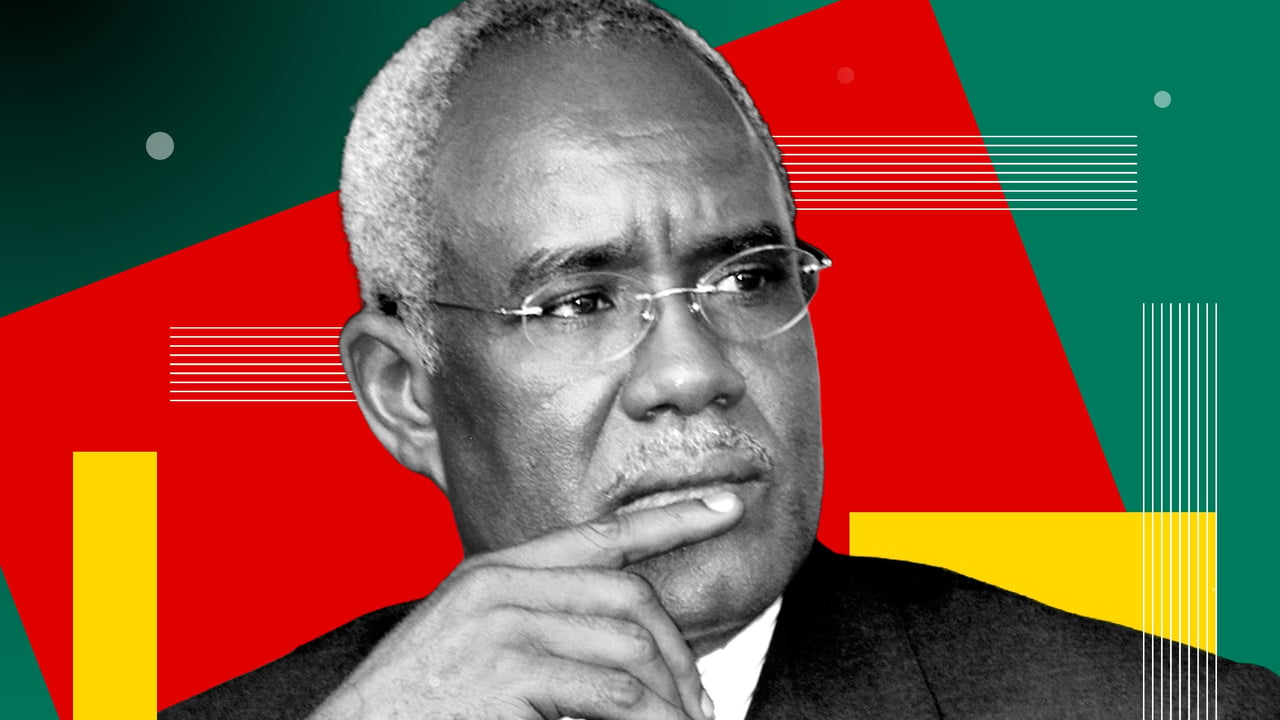
In Cameroon’s turbulent political landscape, few figures embody the rise and dramatic fall of presidential favorites as vividly as Marafa Hamidou Yaya. Once a towering presence in the corridors of power, his trajectory—from trusted ally to imprisoned dissident—paints a stark portrait of political loyalty tested by ambition and shifting allegiances.
From trusted advisor to political prisoner
Marafa Hamidou Yaya’s career under President Paul Biya spanned decades, during which he occupied pivotal roles within the administration. As a key architect of Cameroon’s governance during the 1990s and early 2000s, he played a central part in shaping policies that defined the era. His influence extended across government ministries, where he earned a reputation for competence and discretion.
Yet this proximity to power came at a cost. In 2012, Marafa found himself at the center of a corruption scandal that would alter the course of his life. Accused of mismanagement and abuse of office during his tenure as Secretary-General of the Presidency, he was swiftly removed from the political stage and imprisoned. The fall was as swift as it was absolute, marking one of the most public implosions of a once-influential official in Cameroon’s modern history.
A legacy of loyalty and its consequences
The case against Marafa Hamidou Yaya centered on allegations of embezzlement and illicit enrichment, charges he consistently denied. Prosecutors alleged that during his time in government, he orchestrated a system of kickbacks and misappropriation that diverted public funds into private hands. The trial, widely covered in Cameroonian media, exposed deep fissures within the ruling elite, revealing how personal ambition and institutional power often clash in the shadows of state governance.
His imprisonment in 2012 was not an isolated incident but part of a broader pattern under President Biya’s long rule. The president has overseen a political ecosystem where loyalty is both currency and cage—rewarding ministers with influence one day, and stripping it away the next. Figures like Marafa, once indispensable, often find themselves discarded when their utility wanes or allegiances shift.
What Marafa’s story reveals about Cameroon’s political culture
Marafa Hamidou Yaya’s saga underscores a harsh reality: in Cameroon, political survival is precarious. The country’s governance model, built around centralized power and personalized authority, leaves little room for independent maneuvering. Those who rise to prominence do so under the president’s shadow, and their eventual fate often hinges on the whims of that patronage system.
The former minister’s downfall also highlights the risks of wielding power without institutional safeguards. Without checks on executive authority, accusations of corruption can become tools of political elimination, used to remove rivals or consolidate control. In Marafa’s case, the legal process became a spectacle of state power, reinforcing the message that dissent—or even perceived disloyalty—carries severe consequences.
A life reshaped by confinement
Years after his arrest, Marafa Hamidou Yaya remains a symbol of Cameroon’s political fragility. His imprisonment has become a cautionary tale within Yaoundé’s elite circles, a reminder that no amount of past service can guarantee future security. While some view him as a victim of political machinations, others see a cautionary figure whose ambitions outpaced his caution.
As Cameroon continues to navigate complex internal and regional challenges, stories like Marafa’s serve as a sobering reflection on the nature of power in the country. They reveal a system where loyalty is conditional, and where the line between service and subversion is thinly drawn.